Blog

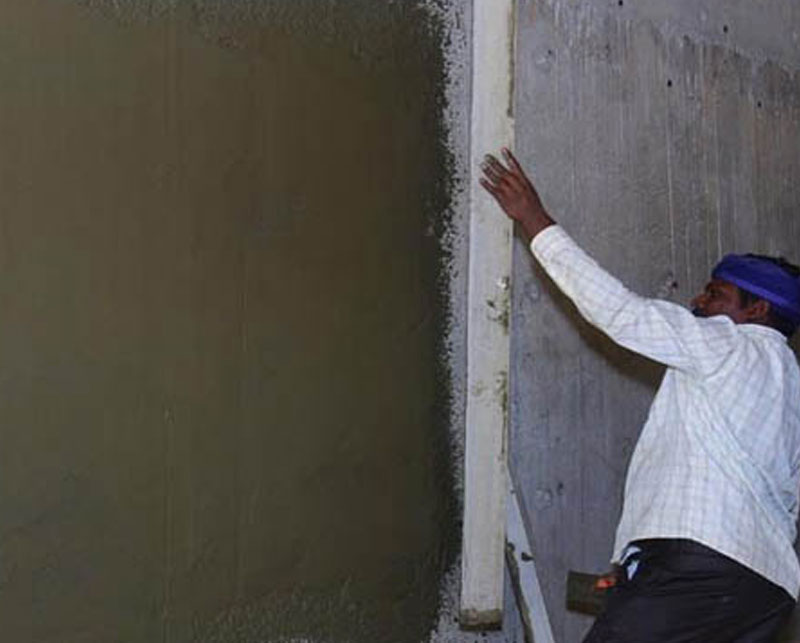
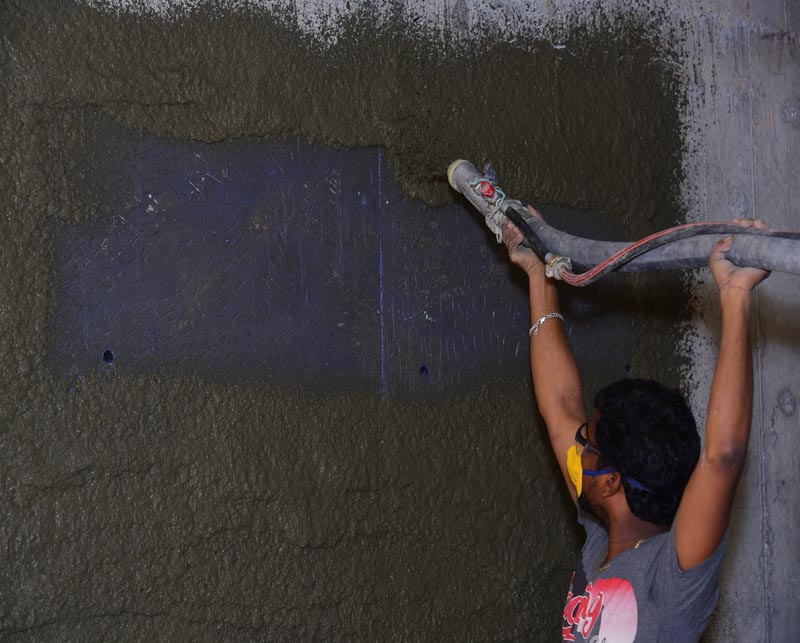
Wall finishing compound packaging (20kg)

Prefab & Modular Construction Is Booming in India — Here’s Why Dry Mix Products Are the Perfect Match

Prefab & Modular Construction Is Booming in India — Here’s Why Dry Mix Products Are the Perfect Match India’s construction industry is on track to become the third-largest in the world, growing at roughly 15% a year, and a good chunk of that growth is no longer happening the way it used to. Prefabricated and modular construction — panels, wall systems and components built off-site and assembled on-site — is moving from a niche technique to a mainstream method. And the material category benefiting most directly from that shift is dry mix mortar. Why Prefab Is Gaining Ground in India India’s dry mix mortar market alone is projected to grow from around 10 million tons in 2025 to over 14 million tons by 2030. Analysts tracking the sector point to the same underlying drivers every time: traditional on-site mixing is inconsistent, wastes material, and depends on skilled labour that’s getting harder to find and retain on every site. Prefab and modular methods sidestep all three problems by moving the mixing and finishing process into a controlled environment — and that environment runs almost entirely on dry mix products, not wet, site-batched mortar. Global market researchers tracking this space are blunt about the connection: the expansion of prefabricated and modular construction is directly boosting demand for standardized dry mix products, because factory-line assembly simply cannot tolerate the variability of hand-mixed mortar. Why Dry Mix Is Structurally Built for This Shift Dry mix mortar is a pre-packaged, factory-controlled blend of cement, graded aggregates and performance additives — ready to use with nothing more than water added on-site or at the panel plant. That single feature is what makes it the natural fit for prefab and modular workflows, for reasons that go beyond convenience: ● Consistency at scale — Every bag delivers the same binder-to-additive ratio, which matters enormously when hundreds of identical panels or blocks need to perform identically once assembled. ● Lower dependency on skilled labour — Site-batched mortar depends on someone getting the sand-cement-water ratio right, every single time. Dry mix removes that variable, which matters as skilled masons become harder to source on large projects. ● Faster turnaround — Ready-to-use formulations cure and bond predictably, which is exactly what a modular assembly line running on tight schedules needs. ● Less material wastage — Precisely dosed factory bags avoid the over-ordering and spillage that come with mixing wet mortar in bulk on an open site. Where This Shows Up in Real Projects Tile adhesives are already the fastest-growing segment within India’s dry mix mortar market, expanding well ahead of the category average, largely because they’re used so heavily in the finishing stage of both conventional and prefab builds. Wall putty and ready mix plaster are following the same trajectory, as builders standardise finishing materials across multi-unit and modular projects rather than trusting each site crew to mix a fresh batch by eye. Block laying compounds tell a similar story. Modular construction relies on precast or factory-cast blocks being jointed with a compound that behaves the same way on unit one as it does on unit five hundred — something a bag of factory-dosed compound delivers and a site-mixed mortar simply cannot guarantee. Where Ideal Drymixes Fits Into This Shift Ideal Drymixes has spent over a decade manufacturing exactly this category of product — ready mix plaster for both machine and manual application, tile adhesives, wall putty and block laying compounds — from our facility in Karur, Tamil Nadu. As more Indian builders move toward prefab panels, precast blocks and modular assembly to keep pace with rising construction demand, the material specification question shifts from ‘which brand of cement’ to ‘which dry mix system gives us the same result on unit one and unit one hundred.’ That’s the exact problem our formulations are built to solve — consistent bonding, predictable curing, and site-to-site reliability that a modular build depends on to hit its schedule without rework. What This Means Going Into 2026 and Beyond Prefab and modular construction in India isn’t a passing trend; it’s a response to real constraints — labour scarcity, quality inconsistency, and pressure to build faster without sacrificing durability. Dry mix mortar solves the same constraints from the material side. For builders and developers planning their next modular or panelised project, the choice of plaster, putty and adhesive system is no longer a finishing-stage decision — it’s a project-planning one.
Prefab & Modular Construction Is Booming in India — Here’s Why Dry Mix Products Are the Perfect Match Read More »

Tile Grout vs Wall Putty vs Skim Coat — Which Finishing Product Does What

Tile Grout vs Wall Putty vs Skim Coat — Which Finishing Product Does What Walk into any hardware store in India and ask for “the putty for my wall,” and there’s a good chance you’ll walk out with the wrong bag. Skim coat, wall putty and tile grout all sit in the same aisle, all come as fine powders you mix with water, and all get lumped together as “finishing material” — but they solve three completely different problems, at three different stages of a build. Using the wrong one doesn’t just waste money; it shows up as cracks, patchy paint or crumbling tile joints within a year. Skim Coat: Fixing the Wall Itself Skim coat is the first line of defence on a rough or newly cast concrete wall. It’s applied directly on bare concrete or uneven plaster, usually across the entire surface, to correct genuine structural imperfections — honeycombing from poor casting, waviness, dents and plumbness issues that a coat of paint would only make more obvious, not less. Because it’s built to bridge larger defects, it goes on thicker and is formulated to be more durable and crack-resistant than what follows it. If your wall looks physically uneven when you run a hand across it, or has visible surface pitting, skim coat is the product doing the structural correction — not putty. Wall Putty: The Fine, Paint-Ready Finish Wall putty comes next, and only after the wall has been primed or has an existing coat of paint. It isn’t designed to fix major surface flaws — it’s designed to erase what skim coat and plaster leave behind: hairline cracks, tiny pinholes, faint unevenness that would otherwise telegraph through a fresh coat of paint. A good white-cement-based putty gives the wall its final smooth, uniform texture and meaningfully improves how evenly paint spreads and how long it lasts. The mistake most site crews make is skipping skim coat and going straight from raw plaster to putty, hoping a thicker putty layer will hide a genuinely uneven wall. It won’t — putty is a finishing product, not a structural correction, and stretching it beyond its job is exactly why so many freshly painted walls develop cracks within the first monsoon. Tile Grout: A Completely Different Job Tile grout isn’t a competitor to putty or skim coat at all — it operates in a different part of the building entirely. Grout fills the narrow gaps between tiles after they’ve been fixed with tile adhesive, sealing the joint against water, dirt and grime while locking the tiles in place. Where putty and skim coat are about wall texture and paint readiness, grout is about waterproofing and structural stability at the tile line — which is exactly why using leftover wall putty to fill tile joints, a shortcut some sites still try, fails fast: putty isn’t formulated to resist constant moisture or the flexing that tiled floors and walls go through. Product Applied On Main Job Stage Skim coat Bare concrete or rough plaster Levels large defects — honeycombs, waviness, uneven casting First Wall putty Primed or plastered wall Fine, paint-ready finish; fills hairline cracks Second Tile grout Gaps between fixed tiles Seals joints, blocks water and dirt ingress After tiling   Getting the Sequence Right On a typical wall finishing job, the order matters as much as the product choice: skim coat first to correct the raw surface, wall putty second to prepare it for paint, and — on a separate track entirely — tile adhesive followed by grout wherever tiling is involved. Mixing up that sequence, or substituting one product for another to save a trip to the store, is one of the most common reasons Indian homeowners end up redoing finishing work within a year of possession. Where Ideal Drymixes Fits In Ideal Drymixes manufactures each of these as a dedicated, purpose-built product rather than a one-size-fits-all powder — ready mix plaster and wall putty formulated for a smooth, crack-resistant paint base, and tile adhesives and grout systems formulated specifically to handle joint movement and water exposure. From our facility in Karur, Tamil Nadu, we’ve built our range around the understanding that a wall problem and a tile-joint problem are never the same problem, and shouldn’t be solved with the same bag. If you’re planning a build or a repaint and aren’t sure which product your site needs at which stage, that’s a five-minute conversation that saves a year of callbacks.

Tile Grout vs Wall Putty vs Skim Coat — Which Finishing Product Does What Read More »

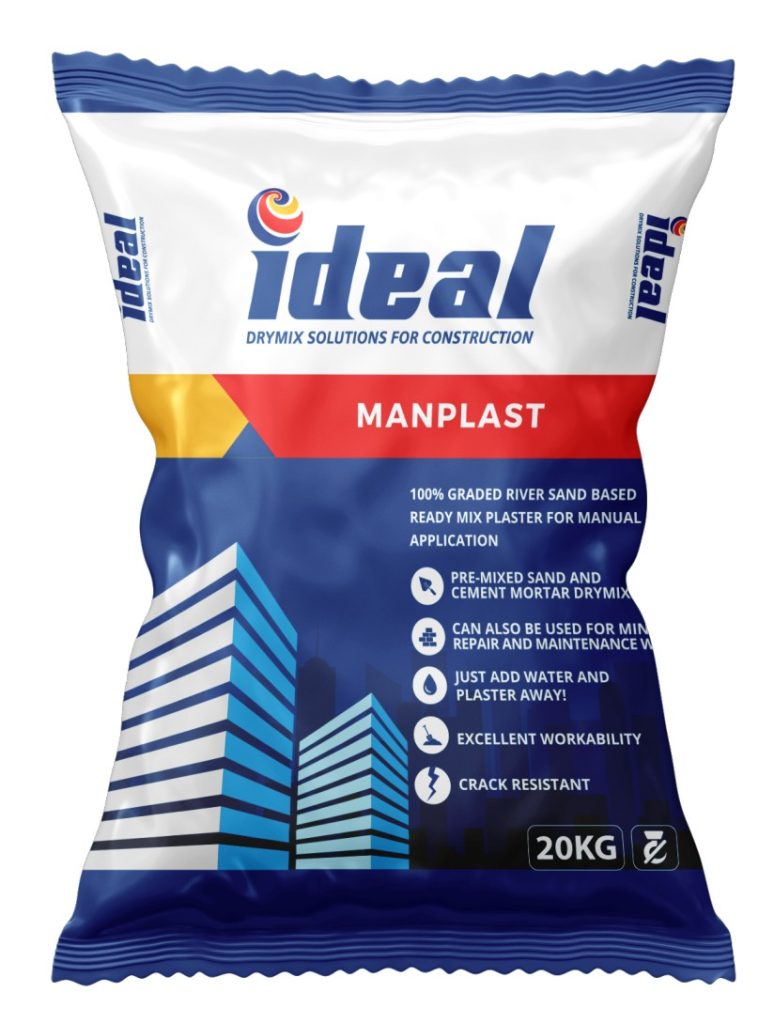
Ideal Manplast Plus ready-mix plaster for smooth wall and ceiling finishing

Why Construction Rework Is Killing Your Project Margins — And How the Right Mix of Products Fixes It the First Time

Why Construction Rework Is Killing Your Project Margins — And How the Right Mix of Products Fixes It the First Time Every contractor knows the feeling: a crew finishes a wall, moves to the next unit, and three weeks later gets a call to come back and redo it. That callback rarely shows up as a single line item on the budget. It hides inside labour overruns, delayed handovers and quietly shrinking margins — and industry data shows just how large that hidden cost really is. The Real Numbers Behind Rework Research from the Construction Industry Institute puts direct field rework at an average of 5% of total project cost, ranging as high as 20% depending on the project type. Broader industry reviews covering decades of data put the figure at 5–10% of total construction costs on average, and some large civil projects see rework eat into 20% of the budget. Even the most conservative academic estimates — which isolate only confirmed field rework — still put post-completion correction costs at around 0.76% of contract value, enough to meaningfully dent margins on a large project. In India specifically, RERA and CREDAI data cited by industry analysts shows that 70–90% of self-managed residential projects exceed their initial budget by 30% or more — and rework is consistently named as one of the biggest contributors to that overrun. Where the Money Actually Leaks Studies breaking down the root causes of rework point to a consistent pattern: miscommunication accounts for roughly a quarter of all rework, and bad or inaccurate site data accounts for another 14–22%. But underneath the process failures sits a simpler, more physical cause that gets far less attention — workmanship errors and material inconsistency at the site level, which independently account for up to 3% of total project cost on their own in industrial projects. For contractors working with plaster, putty, tile adhesive and block-jointing compound, this is the category that’s most within their direct control. Unlike a design change or a client-requested variation, a wall that cracks because the site-mixed plaster wasn’t batched consistently is a preventable cost — and it’s one that repeats across every unit finished the same way. Why Finishing-Stage Rework Is the Most Common — and Most Avoidable Rework doesn’t distribute evenly across a project. Foundation and structural rework is expensive but rare, because it’s caught early and inspected heavily. Finishing-stage rework — plastering, putty, tiling — is where the volume actually sits, because it happens late, across the largest surface area of the building, and is most exposed to whatever inconsistency crept into site-mixed materials that day. ● Hand-mixed plaster with an off-ratio batch cures unevenly, cracks within a season, and forces a callback on every wall it touched — not just one. ● Inconsistent putty bonding causes peeling and flaking that often isn’t visible until the final coat of paint is on, by which point three trades have already moved past that unit. ● Tile adhesive that isn’t matched to the substrate or load leads to hollow-sounding tiles and lippage, both of which mean ripping out finished work. Every one of these is a workmanship-and-material failure, not a design failure — which means it’s also the category a builder has the most direct power to eliminate. Fixing It the First Time: Where Material Consistency Pays Off The 56% of firms with consistent QA/QC processes that industry research shows keep rework under 5% of project budget aren’t succeeding through better paperwork alone — they’re succeeding because the materials going into the wall behave the same way on unit one as they do on unit fifty. That consistency starts before the trowel touches the wall, with the plaster and putty batch itself. Ideal Drymixes has built its ready mix plaster, tile adhesive, wall putty and block laying compound range around exactly this problem, from our manufacturing facility in Karur, Tamil Nadu. Factory-controlled binder and additive ratios mean a site crew isn’t relying on getting a sand-cement-water mix right by eye, batch after batch — the single most common source of the finishing-stage callbacks that quietly erode margins on multi-unit projects. The Margin Case for Getting It Right Once On a mid-sized residential project, even the conservative 5% rework floor translates into a meaningful chunk of projected profit disappearing into redone plaster, repainted walls and re-laid tiles. None of that cost shows up as a dramatic single event — it accumulates unit by unit, callback by callback, until the finance team asks why margins came in lower than bid. Standardising on consistent, factory-batched materials at the plaster and putty stage is one of the few rework-prevention measures a contractor can implement without waiting on better site supervision or slower project timelines — it’s a specification decision, made once, that pays back on every unit that follows.

Why Construction Rework Is Killing Your Project Margins — And How the Right Mix of Products Fixes It the First Time Read More »

From Walls to Floors to Ceilings — Why Top Builders Are Switching to a Single Dry Mix Brand for the Entire Project

From Walls to Floors to Ceilings — Why Top Builders Are Switching to a Single Dry Mix Brand for the Entire Project Ask a site engineer how many material brands touch a single flat before handover — plaster from one supplier, putty from another, tile adhesive from a third, block jointing compound from whoever quoted lowest that month — and most won’t have a clean answer. That fragmentation used to be normal. On well-run projects in 2026, it’s increasingly treated as a risk, not a procurement strategy. The Real Cost of Multi-Brand Sourcing Industry analysis of single-source supply relationships is consistent on this point: the cheapest per-bag price rarely translates into the lowest total project cost once coordination time, quality variation between suppliers, and delivery complications are factored in. Multiple vendors mean multiple points of contact, multiple delivery schedules to track, and — most critically for a builder — multiple formulations that were never engineered to work together. Compatibility problems are the part that costs the most and shows up the latest. A wall putty from one manufacturer may not bond cleanly to a plaster from another; a tile adhesive optimised for one brand’s grout may behave differently with a different chemistry underneath it. None of this appears at the quality-check stage. It appears eight months after handover, as cracking, delamination or hollow tiles — and by then, tracing the fault back to a specific supplier is nearly impossible because three different companies can each point at the other two. What Standardising on One Brand Actually Fixes ● Quality consistency — A single manufacturer producing plaster, putty, tile adhesive and block jointing compound formulates them to work as one connected system, not as separately sourced products that happen to sit next to each other on a wall. ● Fewer variables to troubleshoot — When a defect shows up, there’s one technical team to call and one production process to audit, instead of three suppliers each disclaiming responsibility. ● Administrative efficiency — One point of contact for ordering, delivery scheduling and problem resolution meaningfully cuts the coordination overhead that eats into a site team’s time on a multi-vendor setup. ● Better technical support — A supplier who sees the full picture of a project — walls, floors and ceilings — can advise on sequencing and compatibility in a way that a single-product vendor never will. Why This Matters More for Dry Mix Than for Most Materials Dry mix products are precision-engineered blends of cement, aggregates and performance additives like HPMC and redispersible polymer powder, calibrated in the factory rather than mixed by eye on-site. That precision is exactly why switching brands mid-project causes more damage than switching, say, a paint colour: two dry mix products can look identical in the bag and still cure, bond and flex completely differently, because their additive dosing was never designed with each other in mind. This is also where the labour case for standardisation is strongest. Factory-calibrated dry mix mortar is already known to cut on-site measuring errors and reduce associated labour time meaningfully compared with traditional site-batched mixing. Multiply that saving across a project running plaster, putty, tile adhesive and block compound from a single, consistent source, and the cumulative time and rework savings compound well beyond what any single product line delivers alone. How Ideal Drymixes Covers the Full Build Ideal Drymixes manufactures ready mix plaster for machine and manual application, wall putty, tile adhesives and block laying compounds from a single facility in Karur, Tamil Nadu — formulated as a connected system rather than as isolated products. For a builder running walls, floors and ceilings under one project timeline, that means the plaster a wall gets and the adhesive a floor tile gets were engineered with the same technical standards and by the same production process, not sourced from whichever supplier happened to quote lowest that quarter. It also means one technical team that understands the full specification of the build, not three vendors who each only see their own product in isolation. The Standardisation Decision Builders Are Making Now As multi-unit and multi-phase projects get larger and defect-liability scrutiny gets sharper, the builders protecting their margins and their reputations are the ones treating material sourcing as a system decision made once at project planning, not a series of separate purchase orders made room by room. From walls to floors to ceilings, a single dry mix brand isn’t a convenience — it’s a quality control strategy that pays off long after the ribbon-cutting.

From Walls to Floors to Ceilings — Why Top Builders Are Switching to a Single Dry Mix Brand for the Entire Project Read More »

SprayPlast Technology in India: Faster Wall Finishing with Superior Surface Quality

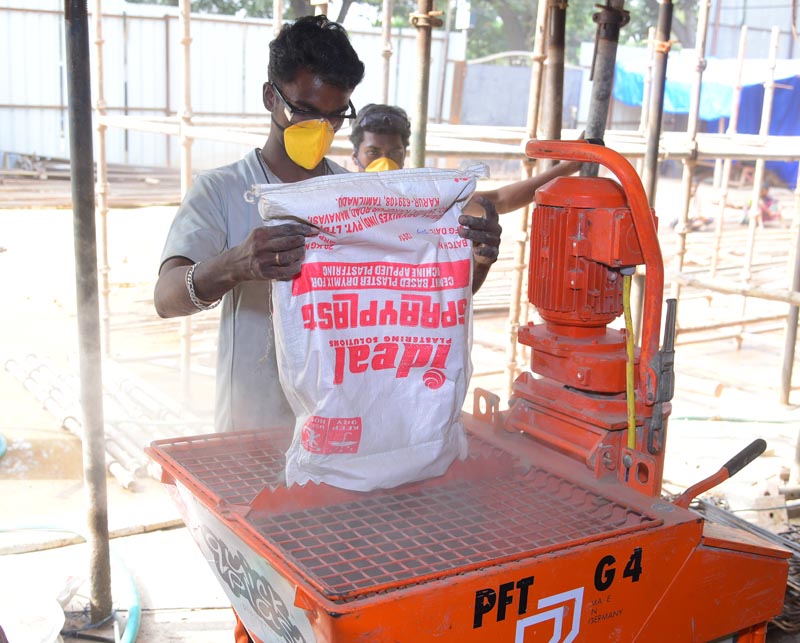
SprayPlast Technology in India: Faster Wall Finishing with Superior Surface Quality Anyone who has managed a construction site in an Indian city knows the plastering stage rarely goes to plan. Masons are booked weeks in advance, hairline cracks show up months after handover, and a floor that should take three days can stretch into a week when labour is short. Spray plaster technology is changing that equation. Machine-applied, ready-mix systems like IDEAL SprayPlast are giving contractors a faster, more consistent way to finish walls, and it’s worth understanding how the process actually works before you specify it on your next project. What Is SprayPlast Technology? SprayPlast is a ready-mix, polymer-modified plaster formulated specifically for machine application. Instead of a mason hand-mixing cement and sand on site, the pre-blended mortar is loaded into a plastering machine and pumped through a hose to a spray gun. The operator applies an even coat directly onto the block or brick wall, and a mechanical trowel or hand float levels the surface to the required thickness. Because the mix is factory-controlled, every batch has the same sand grading, water ratio, and additive content — something that’s difficult to guarantee when mortar is prepared by hand on an active site. Why Machine Plastering Is Gaining Ground in India India’s construction sector has been under pressure from two directions: rising labour costs and shrinking project timelines. Machine plastering addresses both. ● Speed: A single machine and a two-person crew can plaster roughly double the area a traditional mason team covers in the same shift, cutting overall handover time significantly. ● Labour efficiency: Fewer skilled masons are needed per square foot, which matters in cities where experienced plastering labour is increasingly hard to source. ● Consistency: Machine spraying keeps thickness and mix quality uniform across a wall, reducing the patchy texture that comes from manual application. ● Reduced wastage: Ready-mix bags are dosed at the factory, so there’s less over-ordering of cement and sand, and less material lost to inconsistent site mixing. How SprayPlast Compares to Traditional Cement Plastering Conventional plastering depends heavily on the skill of the individual mason — sand quality, water content, and curing all vary from wall to wall. SprayPlast’s factory-controlled formulation removes much of that variability. The polymer modification also improves bond strength to the block surface, which is one reason spray-applied plaster tends to resist the fine cracking that shows up on conventionally plastered walls after a monsoon season or two. The finish coat can be levelled with a mechanical trowel for a smoother base, which reduces the amount of putty needed before painting. Where SprayPlast Fits on a Project Spray plaster technology works on both internal and external walls. Internally, it creates a smooth, paint-ready base on block or brick walls and ceilings. Externally, it can be used for both the base coat and finishing coat, offering better resistance to weathering on exposed elevations. It’s especially useful on large-format projects — apartment blocks, gated communities, commercial buildings — where hundreds of thousands of square feet need to be plastered on a fixed schedule and manual crews simply can’t keep pace. What to Check Before Choosing a Spray Plaster System Not every ready-mix plaster is engineered the same way, so a few questions are worth asking a supplier before you commit a project to machine application. ● Is the mortar specifically formulated for spray application, or is it a general-purpose plaster being pumped through a machine? ● What’s the manufacturer’s stated coverage rate and recommended thickness range? ● Does the mix include crack-resistant additives, and is there field data or case studies to support that claim? ● Is technical support available for machine calibration and operator training on site? ● How is the product packaged and stored, and what’s its shelf life in humid site conditions? These questions matter because the biggest performance differences between spray plaster brands usually show up months after application — in how well the surface resists cracking, flaking, and moisture — not on day one. The Practical Upside for Builders and Contractors For a contractor juggling multiple sites, the appeal of spray plaster technology isn’t just speed — it’s predictability. A machine-applied system means project managers can forecast plastering timelines with more confidence, quality is less dependent on which mason crew shows up that week, and rework due to poor finishing drops. On tight-margin projects, that predictability often matters as much as the raw time saved. Final Thoughts Spray plaster technology has moved from a niche technique to a mainstream option for Indian construction, driven by genuine labour and timeline pressures rather than novelty. Products like IDEAL SprayPlast are built specifically for machine application, which is what separates a purpose-engineered spray plaster from ordinary mortar pumped through a hose. For builders evaluating faster ways to close out the plastering stage without compromising surface quality, it’s a technology worth piloting on the next block or two before rolling it out across a full site.

SprayPlast Technology in India: Faster Wall Finishing with Superior Surface Quality Read More »

Tile adhesive bag packaging (20kg)

The Apartment Handover Crisis — Why Homebuyers Are Rejecting Flats and What Builders Can Do About It

The Apartment Handover Crisis — Why Homebuyers Are Rejecting Flats and What Builders Can Do About It Handover day used to be a formality. A buyer signed papers, collected keys, and moved in. That’s no longer how it works. Across Bengaluru, Hyderabad and other major markets, buyers now walk into possession with a written snag list, a phone full of timestamped photographs, and a working knowledge of their RERA rights. Builders who treat handover as a paperwork step are getting caught out — and it’s costing them far more than a quick repair visit. What’s Actually Changed at Handover The modern flat inspection isn’t a walk-through anymore. Buyers are documenting seepage, cracks, plumbing faults and finishing defects room by room, often with a hired civil engineer or independent inspector carrying moisture meters and thermal cameras. That documented list is what carries legal weight — not a verbal complaint. Once it’s handed to the builder’s site team, it becomes the baseline record against which every future defect claim gets measured. Under RERA, builders are on the hook for structural and workmanship defects for five years after possession, at no cost to the buyer. That single clause has changed buyer behaviour completely. Homebuyers who once accepted hairline cracks or a rough wall finish as normal now know they don’t have to — and they’re refusing to sign off until the punch list is cleared. Where Rejections Actually Happen Snagging inspections consistently flag the same handful of problem zones: seepage and dampness, wall and ceiling cracks, uneven plastering, tile and grout failures, and paint that’s already peeling or flaking within months of application. None of these are exotic defects. They’re finishing-stage failures — the layer of work that happens after the structure is sound but before the flat looks and feels move-in ready. This is the frustrating part for builders: the concrete frame is usually fine. What’s failing inspection, and triggering rejection, is almost always the plaster, putty and surface-preparation stage — the part of the build that’s most often rushed to hit a possession date, and the part buyers now scrutinise hardest. Why Finishing-Stage Materials Are the Real Risk Point A wall that cracks within the first monsoon after handover isn’t usually a structural problem — it’s a bonding and curing problem. Hand-mixed site plaster and inconsistent putty application are the most common causes of the hairline cracking, dampness patches and uneven finish that show up on almost every rejected snag list. And because these are the exact defects RERA’s five-year liability window covers, a shortcut taken at finishing stage doesn’t just risk one rejected handover — it creates a repair obligation that follows the builder for years. Cracking and surface unevenness — usually traced to inconsistent site-mixed plaster rather than a structural issue. Dampness and seepage patches — often linked to poor substrate preparation before waterproofing or paint is applied. Peeling or flaking paint — almost always a sign the putty layer beneath didn’t bond properly to the plaster. Tile and grout defects — frequently caused by adhesive that wasn’t suited to the substrate or the load the area sees. What Builders Can Standardise to Cut Rejections The fix isn’t a longer inspection checklist on the buyer’s side — it’s tighter material consistency on the builder’s side, applied before the buyer ever walks in with a snag list. Machine-applied ready mix plaster removes the batch-to-batch variability that hand-mixed mortar introduces across a project, which matters enormously when a builder is handing over 40 or 100 units in the same possession cycle. A properly formulated wall putty that bonds reliably regardless of which site team applies it protects against the peeling and flaking that shows up months after handover, well inside the defect liability period. This is precisely where Ideal Drymixes has built its reputation over more than a decade, manufacturing ready mix plaster, wall putty, tile adhesives and block laying compounds from Karur, Tamil Nadu. Our products are formulated for consistent, on-site performance — mixed with water and applied directly, without the variability that turns one rushed finishing crew into a builder’s five-year liability. For developers handing over large residential projects, that consistency is what keeps snag lists short and possession dates from turning into legal correspondence. The Bottom Line for 2026 Handovers Buyers are not going to stop bringing snag lists, moisture meters and RERA knowledge to possession day — if anything, that scrutiny is only going to get sharper. The builders who avoid rejected handovers and repeat defect claims are the ones treating plaster, putty and adhesive quality as seriously as they treat the structural frame. That decision gets made months before possession day, not on it.

The Apartment Handover Crisis — Why Homebuyers Are Rejecting Flats and What Builders Can Do About It Read More »

India’s Smart City Mission Is Accelerating — Are Contractors Using the Right Materials to Keep Up?

India’s Smart City Mission Is Accelerating — Are Contractors Using the Right Materials to Keep Up? The original Smart Cities Mission formally wound down in March 2025, but the construction pipeline it built hasn’t slowed down — it’s changed shape. Between AMRUT 2.0’s coverage of 500-plus cities and a fresh wave of state-level tenders worth over ₹1.64 lakh crore across 8,000 contracts, contractors now face a different problem than they did five years ago: more work, tighter specifications, and far less tolerance for materials that don’t perform. The Pipeline Has Shifted, Not Shrunk Smart road construction, EV charging infrastructure, non-motorised transport lanes and bus rapid transit upgrades are driving a large share of current tenders. Underneath the technology layer — sensors, GIS mapping, digital permission systems — sits an enormous amount of plain civil work: retrofitted roads, new pedestrian infrastructure, affordable housing blocks, flyovers and drainage systems. States like Uttar Pradesh have already drawn down their full smart-city allocations, which means the next phase of spending is landing on execution, not planning. For contractors, this shift matters. Planning-stage tenders reward design consultants. Execution-stage tenders reward whoever can deliver consistent quality across dozens of sites without inflating cost or timeline. That’s a materials problem as much as a manpower one. Where Material Choices Quietly Decide Project Outcomes Smart city contracts increasingly bundle city-wide retrofitting — hundreds of buildings, footpaths and public structures finished under one tender, often with defect-liability periods attached. A material that performs inconsistently across sites doesn’t just cause rework on one building; it puts the entire contract’s penalty clauses at risk. This is where hand-mixed, site-batched plaster and putty create real exposure. Site conditions vary — water quality, sand grading, mixing consistency — and so does the finish. On a single villa, that might mean a callback. Across a 70-building affordable housing package under a smart city tender, it means variance that inspectors will flag and clients will dispute. What Contractors Bidding on These Projects Should Standardise Machine-applied dry-mix plaster — Factory-controlled binder and additive ratios remove the site-to-site variability that hand-mixed mortar introduces, which matters when one contract covers multiple locations. Bag-consistent wall putty — A putty that bonds and finishes the same way on batch 1 as it does on batch 40 protects both the schedule and the defect-liability period that most public contracts now carry. Tile adhesive rated for external and high-traffic zones — Smart city footpaths, plazas and transit infrastructure need adhesives that hold through monsoon cycles and heavy foot or vehicle load, not just interior-grade formulations. Documentation-ready product data — Public tenders increasingly ask for material specification sheets at the bidding stage itself, so contractors working with manufacturers who can supply this quickly have a real edge. Where Ideal Drymixes Fits In Ideal Drymixes has spent over a decade manufacturing ready mix plaster, tile adhesives, wall putty and block laying compounds from its facility in Karur, Tamil Nadu, built specifically around the problem of site-to-site consistency. For contractors bidding on multi-site smart city and AMRUT 2.0 packages, that consistency is not a marketing point — it’s what keeps a 60-unit housing block or a city-wide footpath retrofit from turning into a materials dispute six months after handover. Our machine and manual application plasters are formulated to cure evenly regardless of who’s applying them on-site, and our wall putty and tile adhesive ranges are built to hold bond through the humidity swings and heavy use that public infrastructure projects are designed for. The Real Question for 2026 Bidders Smart city and AMRUT 2.0 tenders are not slowing down, and neither is the scrutiny on how they’re executed. As procurement moves further into execution-heavy categories — roads, housing, public infrastructure — the contractors who win repeat work will be the ones whose material choices hold up across every site, not just the show unit. That decision gets made long before the ribbon-cutting, at the plaster and putty stage.

India’s Smart City Mission Is Accelerating — Are Contractors Using the Right Materials to Keep Up? Read More »

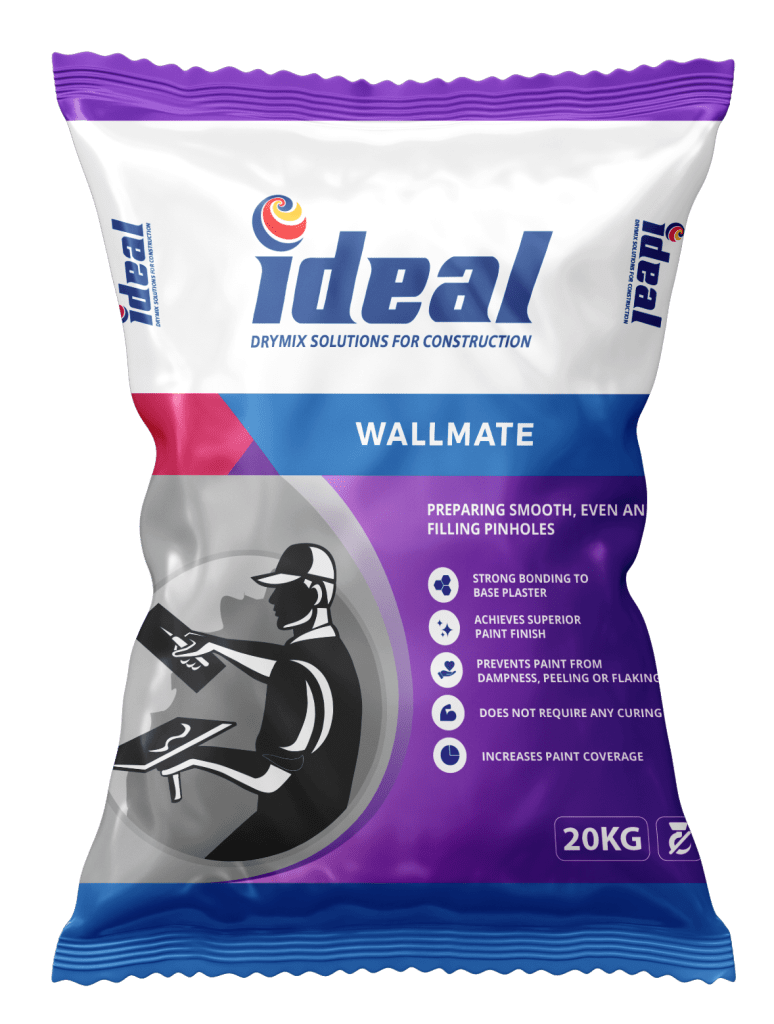
Ideal Wallmate wall putty packaging for smooth interior wall finishing and surface preparation

India’s Urban Heat Island Problem — Why Your Wall Finishing Material Matters More Than You Think

India’s Urban Heat Island Problem — Why Your Wall Finishing Material Matters More Than You Think Step outside in Chennai, Hyderabad, or Bengaluru at 7 pm in April, and the air still feels like an oven. That isn’t your imagination. It’s the urban heat island effect, and it’s rewriting the rules for how Indian buildings need to be constructed — starting with something as ordinary as your wall finishing material. What Is the Urban Heat Island Effect, and Why Is It Getting Worse? An urban heat island forms when concrete, asphalt, and glass absorb solar radiation all day and release it slowly through the night, keeping cities several degrees hotter than the countryside around them. Researchers studying Indian cities have linked this gap directly to how building facades are constructed — brick and concrete walls absorb and store heat, while reflective coatings and green facades measurably cool surface temperatures during peak sun hours. With India adding dense, high-rise construction faster than almost any country in the world, this problem compounds every summer. Dense construction means less green cover, more paved surfaces, and more walls acting as heat batteries — radiating warmth back into homes long after sunset. Why Wall Finishing Material Is the Overlooked Variable Most conversations about beating urban heat focus on roofs, ACs, and tree cover. Walls rarely get mentioned, yet they make up the largest exposed surface area on most buildings, especially in row housing and mid-rise apartments common across Tamil Nadu and Karnataka. Building science studies on facade types confirm that reflective coatings and correctly applied wall systems can lower surface temperatures during peak heating hours — a meaningful difference when repeated across every wall of every flat in a housing block. The finishing material — plaster, putty, and the base coat beneath your paint — decides how much of that heat gets absorbed into the wall in the first place, and how evenly the surface behaves through monsoon humidity and summer heat cycles. A poorly finished wall doesn’t just look uneven; it cracks under thermal stress, lets moisture in, and forces your paint to fight a losing battle year after year. What a Heat-Resilient Wall System Actually Needs Contractors and homeowners across South India are increasingly asking for wall systems that go beyond basic cement plaster. Based on current building practice, three things matter most: Consistent, crack-resistant plastering — Machine-applied dry-mix plasters cure more evenly than hand-mixed site mortar, reducing the hairline cracks that let heat and moisture penetrate over time. A stable base before paint — A properly bonded wall putty prevents flaking and dampness, which matters more in a warming climate because thermal expansion and contraction happen more often and more severely. Compatibility with reflective top coats — Even the best heat-reflective paint underperforms on a poorly prepared substrate. The putty and plaster layer underneath needs to hold its bond through repeated heat cycles for the paint above to do its job. Where Ideal Drymixes Fits Into This Picture This is precisely the gap Ideal Drymixes has worked on for over a decade from its manufacturing base in Karur, Tamil Nadu. Our dry mix plasters, tile adhesives and wall putty are formulated for on-site reliability — mixed with water and applied directly, without the inconsistency that comes from manual sand-cement batching. For architects and contractors thinking about long-term thermal performance, that consistency is what allows a reflective or insulating paint system to actually deliver on its promise, instead of failing early because the layer beneath it cracked or debonded. Products like our machine and manual-application dry-mix plaster and fine-finish wall putty are built to give a smoother, more even surface — the kind that resists the micro-cracking that accelerates heat and moisture damage in Indian summers. It’s a quieter part of the construction process, but it’s the part that determines whether everything applied afterward actually lasts. What This Means for Builders and Homeowners in 2026 As Indian cities keep getting hotter, the materials chosen at the plastering and putty stage are no longer a minor line item — they’re a decision that affects indoor comfort, energy bills, and maintenance costs for years. If you’re planning a new build or a repaint, it’s worth asking your contractor what plaster and putty system is going beneath the paint, not just which paint brand is going on top. A cooler home in a warming city starts with the wall, not just the coat of paint on it.

India’s Urban Heat Island Problem — Why Your Wall Finishing Material Matters More Than You Think Read More »

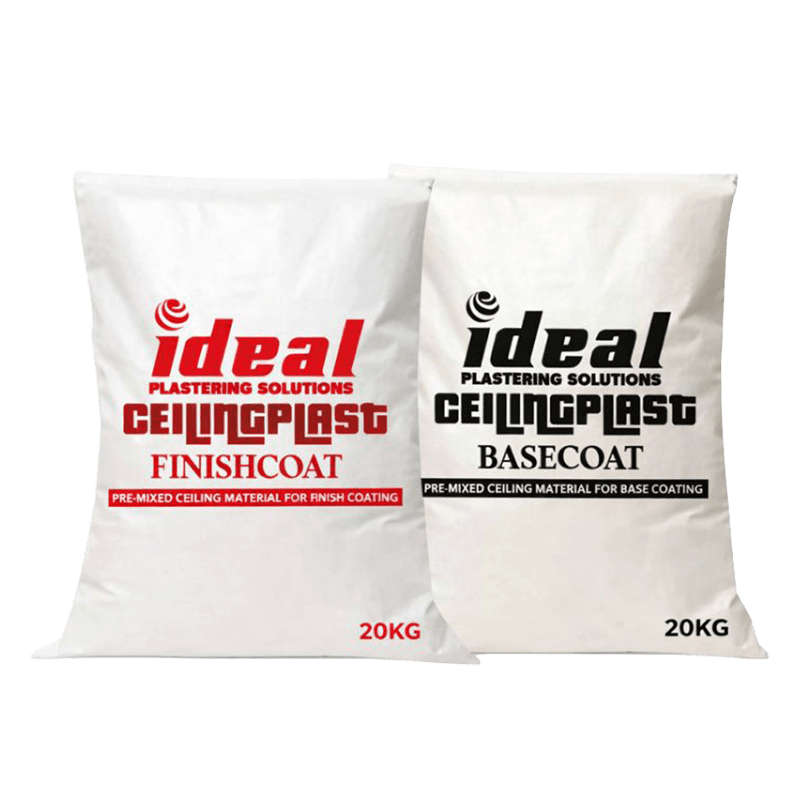
Ready mix plaster bag (20kg)

Road Projects Are Stalling Across India. The Real Reason Isn’t Budget — It’s Materials

Road Projects Are Stalling Across India. The Real Reason Isn’t Budget — It’s Materials Drive past almost any highway stretch under construction in India right now and you’ll notice the same thing: idle machinery, half-laid stretches, and workers standing around with nothing to do. The usual assumption is that funding has dried up. It hasn’t. The Ministry of Road Transport and Highways has kept capital outlay high year after year, and government pipelines for new road awards remain healthy. So why are so many projects still crawling instead of racing to completion? The honest answer is materials, not money. The Numbers Tell the Real Story Construction speed on India’s national highways has visibly slowed. Daily paving rates that once touched close to 30 km a day have dropped meaningfully over the last year, even though targets keep climbing. Contractors aren’t short on funds allocated to them — they’re short on the raw inputs needed to actually build. Bitumen, the binding agent that holds asphalt roads together, has seen sharp price swings tied to global crude and petrochemical supply chains. When bitumen costs spike or availability tightens, laying work simply stops, because there’s no substitute that performs the same job at the same cost. Add to that rising steel and fuel prices, and overall input costs for road contractors have climbed by a wide margin in a short span. Bitumen isn’t the only bottleneck. Sand, aggregate, and crushed stone — the unglamorous bulk materials that make up the base and sub-base of every road — are just as critical, and just as fragile a supply chain. Multiple highway stretches across states have stalled not because of engineering disputes or land acquisition delays, but because local mining or crushing units were shut down, leaving contractors with no legal source of aggregate nearby. When the nearest quarry is 200 km away instead of 20, both cost and timeline change overnight. Why Material Delays Hurt More Than Cash Flow Delays A funding delay is usually a scheduling problem — money arrives late, but it arrives. A materials shortage is a physics problem. You cannot pour a road with material you don’t have, no matter how much cash is sitting in the contractor’s account. This is why material-driven stalls tend to be longer and harder to recover from than administrative or financial ones. There’s also a compounding effect. Research on infrastructure delays in India has found that material shortages are closely linked to knock-on problems: weather disruption leads to material shortages, which then leads to site-access issues and rework, which then triggers late payments and subcontractor delays. One weak link in the material supply chain doesn’t just delay one activity — it drags the whole project timeline sideways. The Quality Trade-Off Nobody Talks About There’s a quieter risk hiding inside every material shortage: substitution. When contractors can’t get the specified material on time, some reach for whatever is locally available instead — off-spec aggregate, diluted binders, or inconsistent mix ratios — just to keep the project moving and avoid penalty clauses. This is how roads end up cracking, rutting, or developing potholes within a year or two of opening, long before their intended design life. This is exactly where the construction materials industry needs to raise its own bar. A road, a building, or any structure is only as reliable as the weakest material in it. Consistent quality, tested performance, and dependable supply matter just as much as the engineering drawing. At Ideal Drymixes, this is the principle we build every product around. As a manufacturer of specialized construction dry mix solutions based in Karur, Tamil Nadu, we know that material reliability isn’t a footnote in a project report — it’s the difference between a structure that lasts decades and one that needs repair within a few years. Whether it’s waterproofing solutions like CeilingPlast or advanced application technologies like SprayPlast, every batch is manufactured to a consistent standard, so contractors and developers aren’t left improvising with substitutes when it matters most. What Needs to Change For India to hit its highway construction targets consistently, the conversation needs to shift from “how much money is available” to “how secure is the material supply chain.” A few things would help: Regional material banks near major project corridors, so contractors aren’t dependent on distant or seasonal quarry access. Standardized quality certification for bulk materials like aggregate and binders, so cost pressure doesn’t quietly become a quality compromise. Diversified sourcing for critical inputs like bitumen, reducing dependence on any single global supply chain. Early material planning, treated with the same seriousness as financial planning, at the tendering stage itself. Budgets get the headlines because they’re easy to measure and easy to blame. Materials get overlooked because they’re unglamorous — sand, stone, and binder don’t make for dramatic news coverage. But if India wants its roads built on schedule and built to last, the fix has to start at the material supply chain, not just the finance ministry’s allocation sheet. The next time a road project stalls near you, look past the funding headlines. Check what’s sitting — or not sitting — at the site. More often than not, that’s where the real story is.

Road Projects Are Stalling Across India. The Real Reason Isn’t Budget — It’s Materials Read More »

Cost Overruns in Construction Projects: The Hidden Savings of Using Dry Mix Solutions

Cost Overruns in Construction Projects: The Hidden Savings of Using Dry Mix Solutions Ask any contractor where a project’s budget actually leaks, and raw material cost is usually the first answer — not labour, not design changes. Industry surveys on Indian construction have repeatedly found that price escalation of raw materials sits at the top of the list of causes behind cost overruns, ahead of scheduling delays and poor coordination between site teams. What gets less attention is how much of that material cost is lost not to price hikes, but to wastage that happens during mixing and application. That’s the part builders can actually control, and it’s exactly where dry mix plaster earns its keep. Why Plastering Is a Quiet Budget Leak Plastering doesn’t get the same scrutiny as steel or cement tonnage on a project’s cost sheet, but it adds up fast across a multi-storey build. Site-mixed plaster depends on a mason eyeballing cement-to-sand ratios, and that inconsistency shows up as over-ordering, uneven thickness, and rework. On a large site, even a small per-square-foot error multiplies across thousands of square feet of wall and ceiling area — and estimators rarely budget enough contingency to absorb it. Labour costs compound the problem. New labour codes and a shrinking pool of skilled masons have already pushed workforce costs up meaningfully in the last year, and every hour spent re-mixing or reapplying botched plaster is an hour billed against a budget that had no room for it. Where Dry Mix Solutions Cut the Waste ● Precise, factory-controlled ratios: no site-level guesswork on cement, sand, or additive proportions, so material ordered matches material used. ● Lower rework rates: consistent mix quality means fewer patch jobs and touch-ups after the plaster cures — each of which adds unbudgeted labour and material cost. ● Faster turnaround per floor: machine-compatible application shortens the time plastering crews occupy a floor, which shortens the overall project timeline and the overheads tied to it. ● Predictable procurement: bag-based ready-mix pricing is far easier to lock into a tender estimate than site-mixed material, where actual consumption often exceeds the plan. ● Fewer post-handover callbacks: shrinkage cracks and adhesion failures from inconsistent mixing generate warranty repairs long after the project books have closed — a cost that rarely gets tracked back to the original plastering decision. The Real Math Behind the Savings On paper, a bag of ready-mix plaster can look more expensive than the equivalent raw cement and sand bought separately. That comparison misses the columns that actually move a budget: wastage percentage, labour hours per square foot, and rework frequency. When those are added in, ready-mix plaster is usually the cheaper option over the life of the project, not just the finishing stage. Cost Driver Site-Mixed Plaster Ready-Mix Dry Mix Material wastage Higher, driven by manual measuring Lower, factory-controlled ratios Labour hours More, manual mixing and reapplication Fewer, faster machine-compatible application Rework frequency Higher due to inconsistent mixing Lower, consistent quality across floors Post-handover repairs More frequent shrinkage cracks Fewer warranty-related callbacks Budget predictability Harder to lock at tender stage Easier, bag-based pricing Where This Matters Most The larger the project, the bigger the swing. A developer running a project in the hundreds of crores can see a small percentage cost increase translate into tens of crores of unplanned spend — and plastering wastage is one of the few line items where the fix is entirely within a contractor’s control, unlike steel or aluminium price volatility driven by global markets. For affordable housing and mass residential projects specifically, where margins are already thin and timelines are fixed by scheme deadlines, controlling this one variable can be the difference between a project that closes on budget and one that doesn’t. What Ideal Drymixes Brings to This Ideal Drymixes has manufactured ready-mix plaster and dry mix products from its Karur, Tamil Nadu facility since 2009, with products formulated for both wall and RCC ceiling applications. Alongside the material, the company offers machine plastering as a combined service — material, machine, and trained operator together — which addresses both sides of the cost-overrun problem: consistent material use and faster site turnaround. For contractors trying to hold a tender estimate together across a multi-block project, that combination reduces two of the biggest unknowns on the finishing schedule. Frequently Asked Questions Does switching to dry mix plaster guarantee lower project costs? It doesn’t eliminate every cost risk, but it removes one of the most common and controllable sources of wastage and rework, which is where a large share of plastering-related overruns come from. Is the cost difference noticeable on smaller projects? It’s more visible on larger projects simply because of scale, but even a single building sees less material wastage and fewer callback repairs with ready-mix plaster. How does dry mix plaster affect project timelines? Faster, more consistent application — especially when paired with machine plastering — shortens the time crews spend on each floor, which helps keep the overall project on schedule. Final Word Cost overruns rarely come from one dramatic failure. They come from small, repeated inefficiencies that no one line-items until the budget review. Plastering wastage is one of the easiest of these to fix, and dry mix solutions are the most direct way to fix it — without asking a contractor to compromise on finish quality to hit a number. If material cost control is part of your next project’s plan, it’s worth building ready-mix plaster into the estimate from day one, not after the first overrun shows up. To discuss dry mix solutions and machine plastering for your next project, get in touch with Ideal Drymixes through their contact page.

Cost Overruns in Construction Projects: The Hidden Savings of Using Dry Mix Solutions Read More »

Ideal Dry Mixes logo – dry mix construction solutions brand

Ideal Drymixes (Ind) Pvt. Ltd is a quality oriented manufacturer of various Drymix products based in Karur, Tamil Nadu. The company was established in the year 2009 with a vision of offering innovative Drymix solutions that meet international standards to the Indian construction industry.

Contact Us

Office Address

G-5A, Gamma Block, Sigma Soft Tech Park,Ramagondanahalli, Varthur Hobli,Bangalore, Karnataka - 560066

Factory Address

Ideal Drymixes (Ind) Pvt. Ltd, Reg. Off & Fac: S.F. No 247/2A, Karupur Road, Manavasi Village, Karur, Tamil Nadu - 639108

info@idealdrymixes.com

080-48662593, +91-8861939991,
+91-9843594429

Gallery

ISO 9001 and UKAS certified quality management system

Copyright @ Ideal Drymixes 2026 . Managing by Markwiz

Distributor & Applicator Enquiry Form​

Customer & Distributor Enquiry Form