Efflorescence: The White Stains Ruining Your Building’s Exterior
Walk around almost any building after the monsoon and you’ll spot it: a chalky white bloom creeping across the plaster, sometimes called shora, sometimes just “those white patches.” Owners scrub it off, painters repaint over it, and a few months later it’s back. That cycle isn’t bad luck. It’s usually a sign that something went wrong during plastering, long before the paint ever went on.
This guide breaks down what efflorescence actually is, why it keeps returning even after cleaning, and the one plastering mistake that causes most of it — so you can fix the cause instead of chasing the stain.
What Is Efflorescence, Really?
Efflorescence is a crystalline salt deposit that forms when water inside a wall dissolves natural salts in cement, sand, or bricks and carries them to the surface. As the water evaporates, the salts stay behind as a white (occasionally greenish or brown) powdery residue. It isn’t dirt, and scrubbing or acid-washing only removes the symptom — the salts will resurface as long as moisture keeps moving through the wall.
On its own, efflorescence is mostly cosmetic. Left unaddressed, though, it points to trapped moisture, and trapped moisture is what eventually causes plaster to blister, paint to peel, and, in persistent cases, the plaster bond itself to weaken.
The Plastering Mistake Behind Most Efflorescence
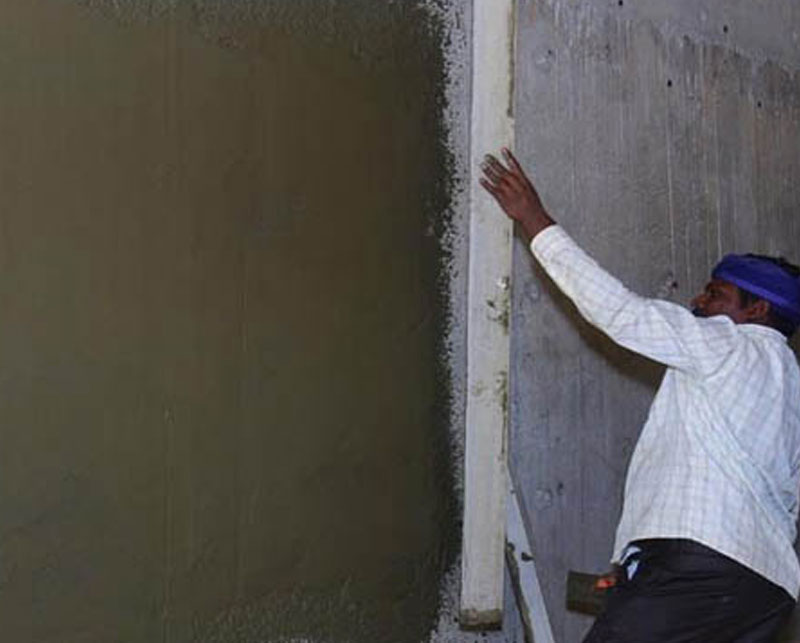
In field inspections across residential and commercial sites, one issue shows up again and again: plaster applied on a wet or improperly cured base coat, using a sand-cement mix with no control over soluble salt content or water absorption. A few specific errors combine to create the problem:
- Plastering over a damp or freshly cured masonry wall, trapping construction moisture inside instead of letting it dry out first.
- Using river sand or local aggregate with inconsistent quality, which can carry a higher soluble-salt load than the plaster can tolerate.
- Skipping or rushing curing — plaster needs 7 to 10 days of controlled moist curing, not a couple of days of casual watering.
- No waterproofing at vulnerable points such as parapets, sunshades, and the plinth, so rainwater keeps re-entering the same wall section.
- Mixing plaster inconsistently on site, so water-cement ratio (and therefore porosity) varies from patch to patch.
Put simply: efflorescence is rarely about the paint. It’s almost always decided at the plastering stage, by the mix design, the curing discipline, and whether moisture was ever given a chance to escape before the wall was sealed and finished.
Why It Keeps Coming Back After Cleaning
Because the salts are inside the wall, not just on the surface, washing removes what’s visible while more salt-laden moisture is still migrating outward. Each wet season — or even each humid week — pushes a fresh layer to the surface. That’s why the same patch reappears on the same wall, often in the exact same spot, until the underlying moisture path is closed off.
Preventing Efflorescence at the Source
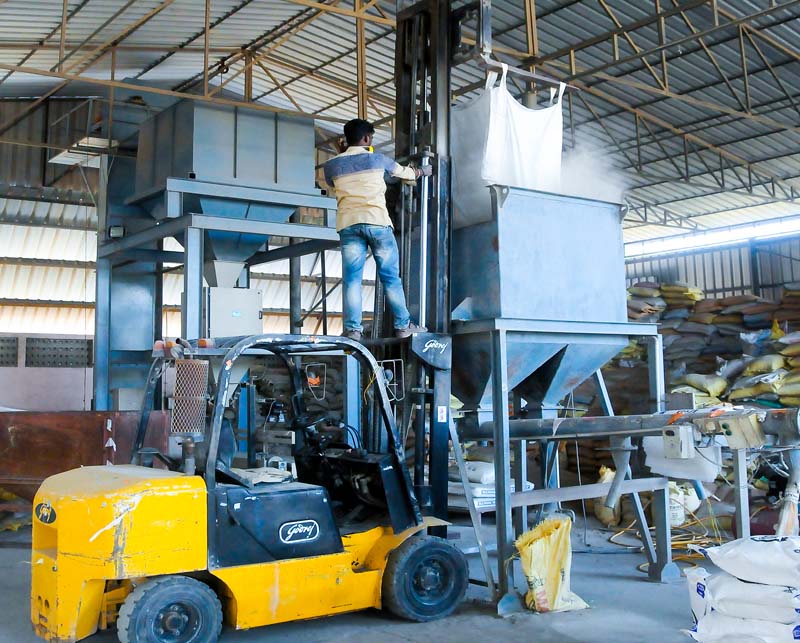
- Use a factory-controlled, salt-tested plaster mix instead of ad-hoc site mixing, so the sand and cement ratio is consistent on every wall.
- Allow the base masonry to dry adequately before plastering, and never plaster directly over a soaking-wet wall.
- Cure the plaster properly for 7–10 days, keeping it consistently moist rather than intermittently wet.
- Waterproof parapets, terraces, sunshades, and the plinth level before plastering the exterior, since these are the most common entry points for water.
- For exteriors already showing early efflorescence, treat and dry the wall fully before repainting — painting over active efflorescence just traps the problem beneath the new coat.
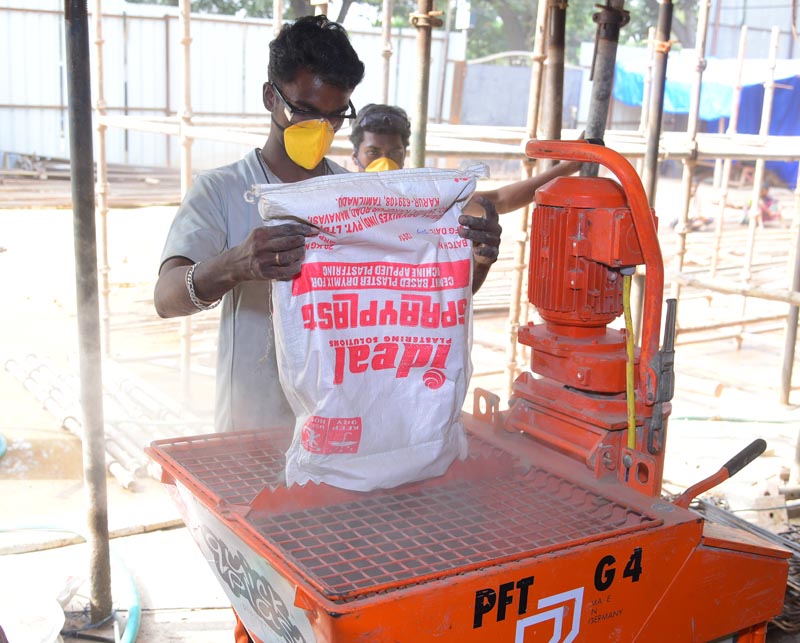
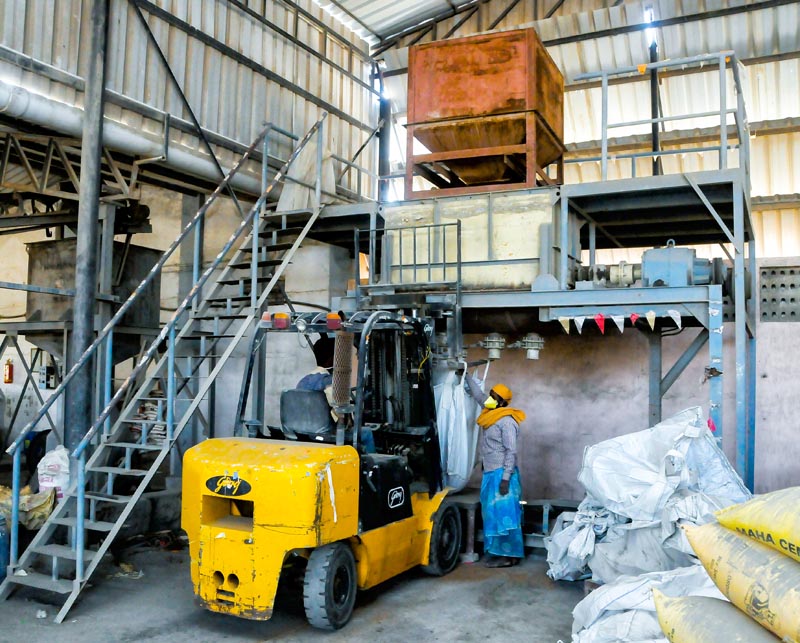
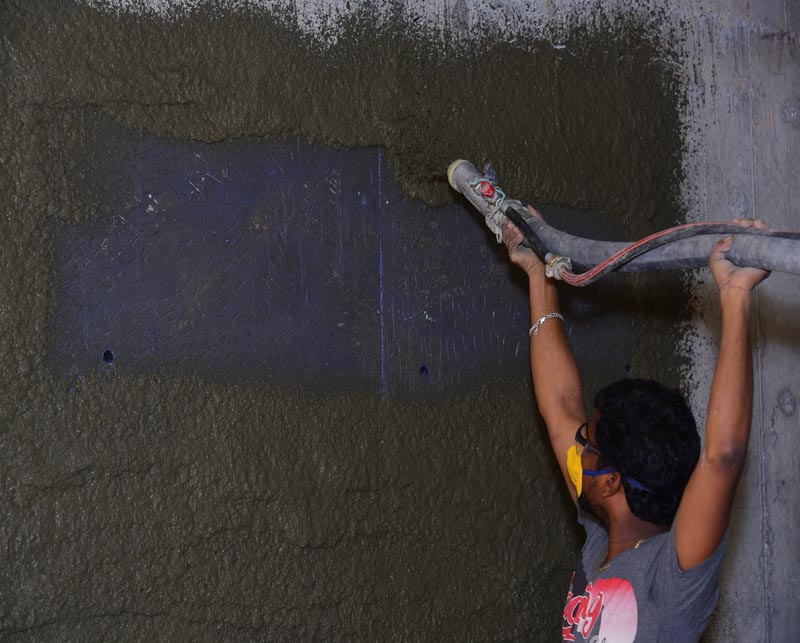
This is exactly the gap that ready-mix, quality-controlled plasters like Ideal Drymixes’ SprayPlast range are built to close: a consistent, low-salt formulation and machine-applied uniformity remove the variability that ad-hoc site mixing introduces, so the wall dries the way it’s supposed to instead of holding moisture behind the finish.
When to Call In a Professional
If efflorescence keeps returning after cleaning, spreads across a large section of exterior wall, or appears alongside bubbling paint or a hollow-sounding patch of plaster, it’s worth getting the wall assessed rather than repainting again. A quick check of the waterproofing at the parapet, sunshade, and plinth, combined with a look at the plaster mix used, usually identifies the source in a single visit.
The Bottom Line
Efflorescence is a message, not just a stain — it’s the wall telling you that moisture found a way in and a way out. Cleaning the surface treats the symptom; fixing the plastering process, the curing, and the waterproofing treats the cause. Get the plastering right the first time, with a quality-controlled mix and proper curing, and those white patches stop coming back for good.