Tile Grout vs Wall Putty vs Skim Coat — Which Finishing Product Does What
Walk into any hardware store in India and ask for “the putty for my wall,” and there’s a good chance you’ll walk out with the wrong bag. Skim coat, wall putty and tile grout all sit in the same aisle, all come as fine powders you mix with water, and all get lumped together as “finishing material” — but they solve three completely different problems, at three different stages of a build. Using the wrong one doesn’t just waste money; it shows up as cracks, patchy paint or crumbling tile joints within a year.
Skim Coat: Fixing the Wall Itself
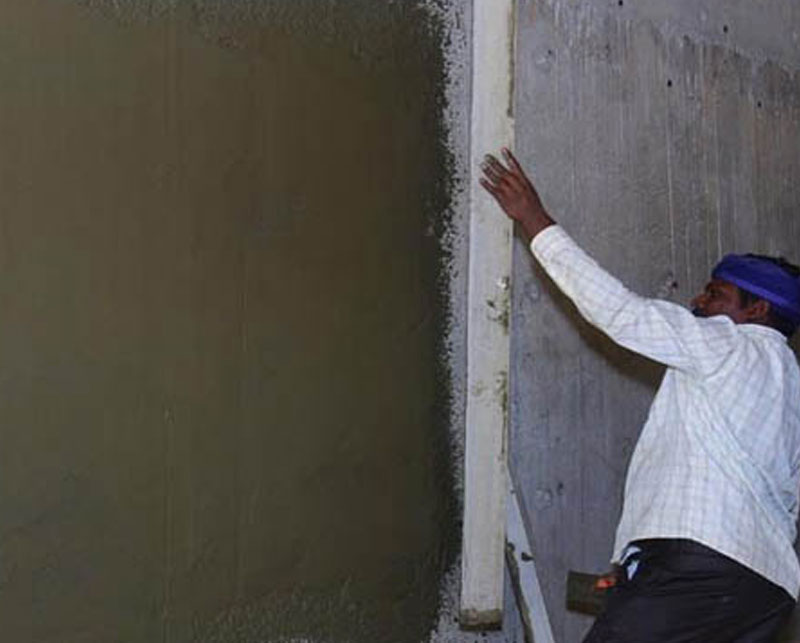
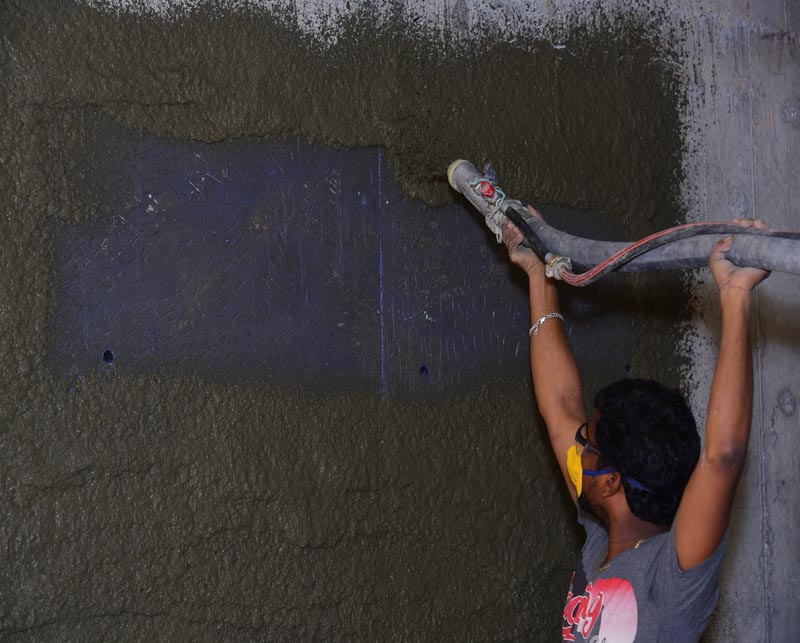
Skim coat is the first line of defence on a rough or newly cast concrete wall. It’s applied directly on bare concrete or uneven plaster, usually across the entire surface, to correct genuine structural imperfections — honeycombing from poor casting, waviness, dents and plumbness issues that a coat of paint would only make more obvious, not less. Because it’s built to bridge larger defects, it goes on thicker and is formulated to be more durable and crack-resistant than what follows it.
If your wall looks physically uneven when you run a hand across it, or has visible surface pitting, skim coat is the product doing the structural correction — not putty.
Wall Putty: The Fine, Paint-Ready Finish
Wall putty comes next, and only after the wall has been primed or has an existing coat of paint. It isn’t designed to fix major surface flaws — it’s designed to erase what skim coat and plaster leave behind: hairline cracks, tiny pinholes, faint unevenness that would otherwise telegraph through a fresh coat of paint. A good white-cement-based putty gives the wall its final smooth, uniform texture and meaningfully improves how evenly paint spreads and how long it lasts.
The mistake most site crews make is skipping skim coat and going straight from raw plaster to putty, hoping a thicker putty layer will hide a genuinely uneven wall. It won’t — putty is a finishing product, not a structural correction, and stretching it beyond its job is exactly why so many freshly painted walls develop cracks within the first monsoon.
Tile Grout: A Completely Different Job
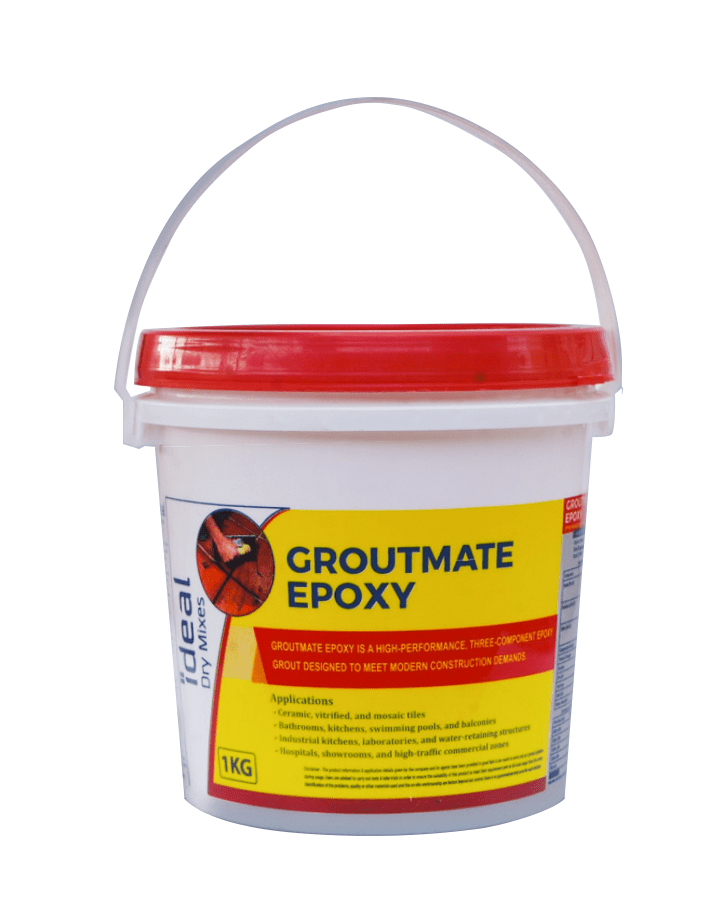
Tile grout isn’t a competitor to putty or skim coat at all — it operates in a different part of the building entirely. Grout fills the narrow gaps between tiles after they’ve been fixed with tile adhesive, sealing the joint against water, dirt and grime while locking the tiles in place. Where putty and skim coat are about wall texture and paint readiness, grout is about waterproofing and structural stability at the tile line — which is exactly why using leftover wall putty to fill tile joints, a shortcut some sites still try, fails fast: putty isn’t formulated to resist constant moisture or the flexing that tiled floors and walls go through.
Product | Applied On | Main Job | Stage |
Skim coat | Bare concrete or rough plaster | Levels large defects — honeycombs, waviness, uneven casting | First |
Wall putty | Primed or plastered wall | Fine, paint-ready finish; fills hairline cracks | Second |
Tile grout | Gaps between fixed tiles | Seals joints, blocks water and dirt ingress | After tiling |
Getting the Sequence Right
On a typical wall finishing job, the order matters as much as the product choice: skim coat first to correct the raw surface, wall putty second to prepare it for paint, and — on a separate track entirely — tile adhesive followed by grout wherever tiling is involved. Mixing up that sequence, or substituting one product for another to save a trip to the store, is one of the most common reasons Indian homeowners end up redoing finishing work within a year of possession.
Where Ideal Drymixes Fits In
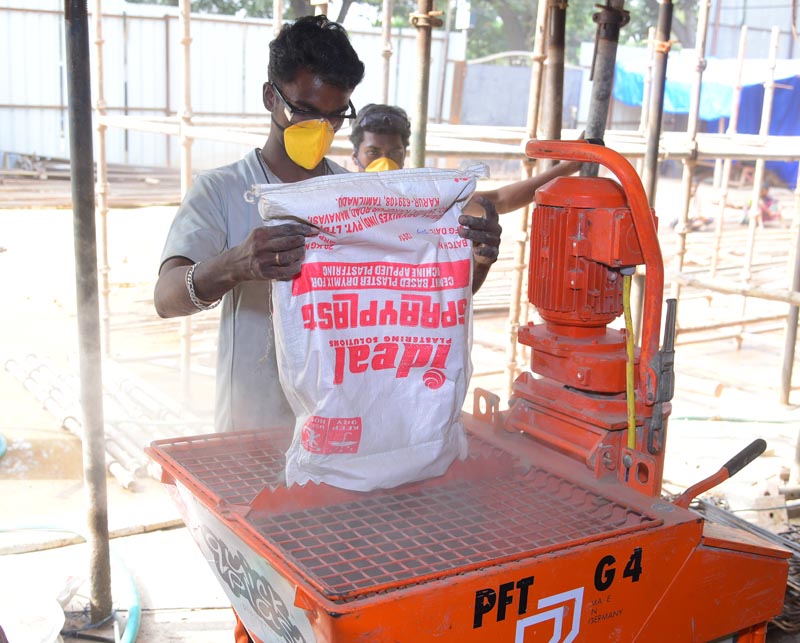
Ideal Drymixes manufactures each of these as a dedicated, purpose-built product rather than a one-size-fits-all powder — ready mix plaster and wall putty formulated for a smooth, crack-resistant paint base, and tile adhesives and grout systems formulated specifically to handle joint movement and water exposure. From our facility in Karur, Tamil Nadu, we’ve built our range around the understanding that a wall problem and a tile-joint problem are never the same problem, and shouldn’t be solved with the same bag.
If you’re planning a build or a repaint and aren’t sure which product your site needs at which stage, that’s a five-minute conversation that saves a year of callbacks.