Category: Blog

  • Road Projects Are Stalling Across India. The Real Reason Isn’t Budget — It’s Materials

    Road Projects Are Stalling Across India. The Real Reason Isn’t Budget — It’s Materials

    Road Projects Are Stalling Across India. The Real Reason Isn’t Budget — It’s Materials

    Drive past almost any highway stretch under construction in India right now and you’ll notice the same thing: idle machinery, half-laid stretches, and workers standing around with nothing to do. The usual assumption is that funding has dried up. It hasn’t. The Ministry of Road Transport and Highways has kept capital outlay high year after year, and government pipelines for new road awards remain healthy. So why are so many projects still crawling instead of racing to completion?

    The honest answer is materials, not money.

    The Numbers Tell the Real Story

    Construction speed on India’s national highways has visibly slowed. Daily paving rates that once touched close to 30 km a day have dropped meaningfully over the last year, even though targets keep climbing. Contractors aren’t short on funds allocated to them — they’re short on the raw inputs needed to actually build.

    Bitumen, the binding agent that holds asphalt roads together, has seen sharp price swings tied to global crude and petrochemical supply chains. When bitumen costs spike or availability tightens, laying work simply stops, because there’s no substitute that performs the same job at the same cost. Add to that rising steel and fuel prices, and overall input costs for road contractors have climbed by a wide margin in a short span.

    Bitumen isn’t the only bottleneck. Sand, aggregate, and crushed stone — the unglamorous bulk materials that make up the base and sub-base of every road — are just as critical, and just as fragile a supply chain. Multiple highway stretches across states have stalled not because of engineering disputes or land acquisition delays, but because local mining or crushing units were shut down, leaving contractors with no legal source of aggregate nearby. When the nearest quarry is 200 km away instead of 20, both cost and timeline change overnight.

    Why Material Delays Hurt More Than Cash Flow Delays

    A funding delay is usually a scheduling problem — money arrives late, but it arrives. A materials shortage is a physics problem. You cannot pour a road with material you don’t have, no matter how much cash is sitting in the contractor’s account. This is why material-driven stalls tend to be longer and harder to recover from than administrative or financial ones.

    There’s also a compounding effect. Research on infrastructure delays in India has found that material shortages are closely linked to knock-on problems: weather disruption leads to material shortages, which then leads to site-access issues and rework, which then triggers late payments and subcontractor delays. One weak link in the material supply chain doesn’t just delay one activity — it drags the whole project timeline sideways.

    The Quality Trade-Off Nobody Talks About

    There’s a quieter risk hiding inside every material shortage: substitution. When contractors can’t get the specified material on time, some reach for whatever is locally available instead — off-spec aggregate, diluted binders, or inconsistent mix ratios — just to keep the project moving and avoid penalty clauses. This is how roads end up cracking, rutting, or developing potholes within a year or two of opening, long before their intended design life.

    This is exactly where the construction materials industry needs to raise its own bar. A road, a building, or any structure is only as reliable as the weakest material in it. Consistent quality, tested performance, and dependable supply matter just as much as the engineering drawing.

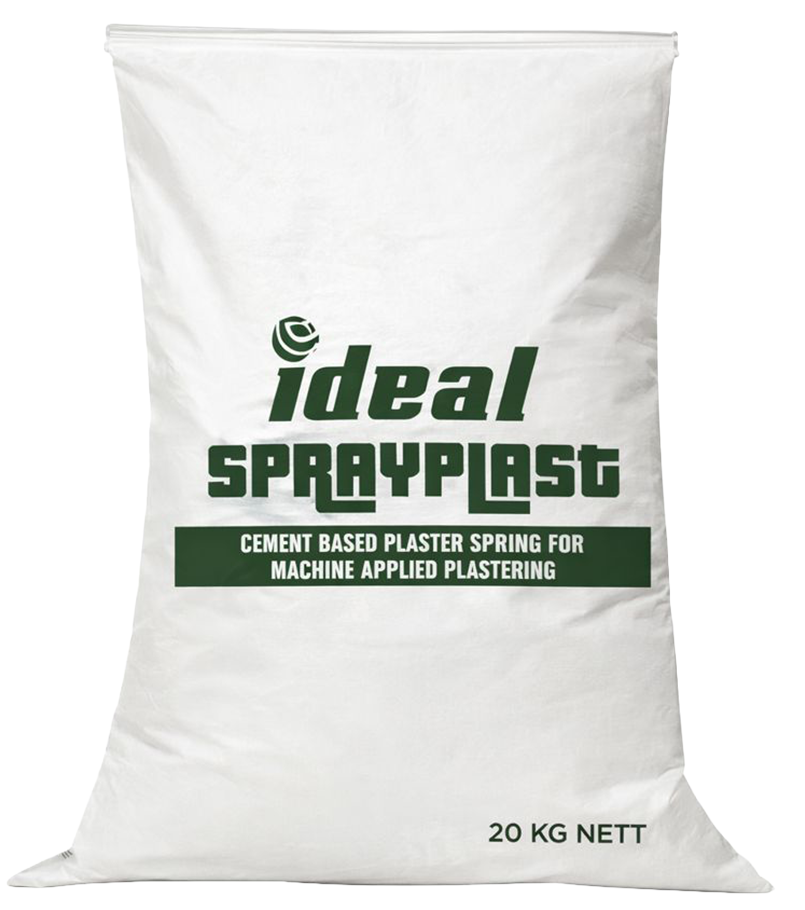
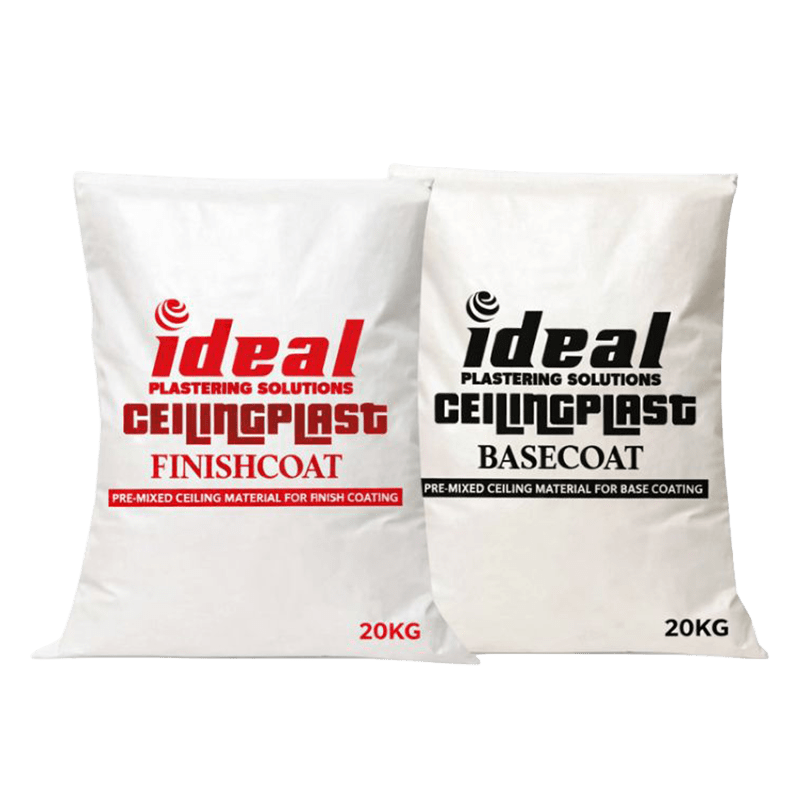
    At Ideal Drymixes, this is the principle we build every product around. As a manufacturer of specialized construction dry mix solutions based in Karur, Tamil Nadu, we know that material reliability isn’t a footnote in a project report — it’s the difference between a structure that lasts decades and one that needs repair within a few years. Whether it’s waterproofing solutions like CeilingPlast or advanced application technologies like SprayPlast, every batch is manufactured to a consistent standard, so contractors and developers aren’t left improvising with substitutes when it matters most.

    What Needs to Change

    For India to hit its highway construction targets consistently, the conversation needs to shift from “how much money is available” to “how secure is the material supply chain.” A few things would help:

    • Regional material banks near major project corridors, so contractors aren’t dependent on distant or seasonal quarry access.
    • Standardized quality certification for bulk materials like aggregate and binders, so cost pressure doesn’t quietly become a quality compromise.
    • Diversified sourcing for critical inputs like bitumen, reducing dependence on any single global supply chain.
    • Early material planning, treated with the same seriousness as financial planning, at the tendering stage itself.

    Budgets get the headlines because they’re easy to measure and easy to blame. Materials get overlooked because they’re unglamorous — sand, stone, and binder don’t make for dramatic news coverage. But if India wants its roads built on schedule and built to last, the fix has to start at the material supply chain, not just the finance ministry’s allocation sheet.

    The next time a road project stalls near you, look past the funding headlines. Check what’s sitting — or not sitting — at the site. More often than not, that’s where the real story is.

  • Cost Overruns in Construction Projects: The Hidden Savings of Using Dry Mix Solutions

    Cost Overruns in Construction Projects: The Hidden Savings of Using Dry Mix Solutions

    Cost Overruns in Construction Projects: The Hidden Savings of Using Dry Mix Solutions

    Ask any contractor where a project’s budget actually leaks, and raw material cost is usually the first answer — not labour, not design changes. Industry surveys on Indian construction have repeatedly found that price escalation of raw materials sits at the top of the list of causes behind cost overruns, ahead of scheduling delays and poor coordination between site teams. What gets less attention is how much of that material cost is lost not to price hikes, but to wastage that happens during mixing and application. That’s the part builders can actually control, and it’s exactly where dry mix plaster earns its keep.

    Why Plastering Is a Quiet Budget Leak

    Plastering doesn’t get the same scrutiny as steel or cement tonnage on a project’s cost sheet, but it adds up fast across a multi-storey build. Site-mixed plaster depends on a mason eyeballing cement-to-sand ratios, and that inconsistency shows up as over-ordering, uneven thickness, and rework. On a large site, even a small per-square-foot error multiplies across thousands of square feet of wall and ceiling area — and estimators rarely budget enough contingency to absorb it.

    Labour costs compound the problem. New labour codes and a shrinking pool of skilled masons have already pushed workforce costs up meaningfully in the last year, and every hour spent re-mixing or reapplying botched plaster is an hour billed against a budget that had no room for it.

    Where Dry Mix Solutions Cut the Waste

    ● Precise, factory-controlled ratios: no site-level guesswork on cement, sand, or additive proportions, so material ordered matches material used.

    ● Lower rework rates: consistent mix quality means fewer patch jobs and touch-ups after the plaster cures — each of which adds unbudgeted labour and material cost.

    ● Faster turnaround per floor: machine-compatible application shortens the time plastering crews occupy a floor, which shortens the overall project timeline and the overheads tied to it.

    ● Predictable procurement: bag-based ready-mix pricing is far easier to lock into a tender estimate than site-mixed material, where actual consumption often exceeds the plan.

    ● Fewer post-handover callbacks: shrinkage cracks and adhesion failures from inconsistent mixing generate warranty repairs long after the project books have closed — a cost that rarely gets tracked back to the original plastering decision.

    The Real Math Behind the Savings

    On paper, a bag of ready-mix plaster can look more expensive than the equivalent raw cement and sand bought separately. That comparison misses the columns that actually move a budget: wastage percentage, labour hours per square foot, and rework frequency. When those are added in, ready-mix plaster is usually the cheaper option over the life of the project, not just the finishing stage.

    Cost Driver

    Site-Mixed Plaster

    Ready-Mix Dry Mix

    Material wastage

    Higher, driven by manual measuring

    Lower, factory-controlled ratios

    Labour hours

    More, manual mixing and reapplication

    Fewer, faster machine-compatible application

    Rework frequency

    Higher due to inconsistent mixing

    Lower, consistent quality across floors

    Post-handover repairs

    More frequent shrinkage cracks

    Fewer warranty-related callbacks

    Budget predictability

    Harder to lock at tender stage

    Easier, bag-based pricing

    Where This Matters Most

    The larger the project, the bigger the swing. A developer running a project in the hundreds of crores can see a small percentage cost increase translate into tens of crores of unplanned spend — and plastering wastage is one of the few line items where the fix is entirely within a contractor’s control, unlike steel or aluminium price volatility driven by global markets. For affordable housing and mass residential projects specifically, where margins are already thin and timelines are fixed by scheme deadlines, controlling this one variable can be the difference between a project that closes on budget and one that doesn’t.

    What Ideal Drymixes Brings to This

    Ideal Drymixes has manufactured ready-mix plaster and dry mix products from its Karur, Tamil Nadu facility since 2009, with products formulated for both wall and RCC ceiling applications. Alongside the material, the company offers machine plastering as a combined service — material, machine, and trained operator together — which addresses both sides of the cost-overrun problem: consistent material use and faster site turnaround. For contractors trying to hold a tender estimate together across a multi-block project, that combination reduces two of the biggest unknowns on the finishing schedule.

    Frequently Asked Questions

    Does switching to dry mix plaster guarantee lower project costs?

    It doesn’t eliminate every cost risk, but it removes one of the most common and controllable sources of wastage and rework, which is where a large share of plastering-related overruns come from.

    Is the cost difference noticeable on smaller projects?

    It’s more visible on larger projects simply because of scale, but even a single building sees less material wastage and fewer callback repairs with ready-mix plaster.

    How does dry mix plaster affect project timelines?

    Faster, more consistent application — especially when paired with machine plastering — shortens the time crews spend on each floor, which helps keep the overall project on schedule.

    Final Word

    Cost overruns rarely come from one dramatic failure. They come from small, repeated inefficiencies that no one line-items until the budget review. Plastering wastage is one of the easiest of these to fix, and dry mix solutions are the most direct way to fix it — without asking a contractor to compromise on finish quality to hit a number. If material cost control is part of your next project’s plan, it’s worth building ready-mix plaster into the estimate from day one, not after the first overrun shows up.

    To discuss dry mix solutions and machine plastering for your next project, get in touch with Ideal Drymixes through their contact page.

  • Epoxy in Construction: Where Strength, Durability & Chemical Resistance Matter Most

    Epoxy in Construction: Where Strength, Durability & Chemical Resistance Matter Most

    Walk into any kitchen with cement-grouted tiles after two or three years and you’ll usually see the same thing: grout lines gone grey, a faint smell near the sink, maybe a hairline crack where a heavy pan got dropped. None of that is a workmanship problem. It’s cement grout doing exactly what cement grout does — absorbing moisture, staining, and slowly losing its bond. Epoxy exists to fix precisely this category of failure, and understanding where it’s worth the extra cost is more useful than treating it as a blanket upgrade.


    What Makes Epoxy Different From Cement-Based Grout

    Cement grout hardens through hydration and stays porous at a microscopic level, which is why it absorbs water, oil, and stains over time. Epoxy grout is a completely different chemistry — a resin and hardener that cure through a chemical reaction rather than drying out. That reaction produces a dense, largely non-porous material with far higher compressive strength, better bond to the substrate, and resistance to substances that would eat straight through ordinary cement grout.

    The trade-off is straightforward: epoxy costs more per square foot and is less forgiving to apply, since pot life is limited once the components are mixed. That’s exactly why it makes sense to be selective about where it’s used, rather than specifying it everywhere out of habit.


    Where Epoxy Earns Its Cost

    • Kitchens and food-prep areas: resistant to oil, acidic spills, and repeated scrubbing, without staining the way cement grout does within a year or two.
    • Bathrooms and wet areas: near-zero water absorption means no mould growth in grout lines, a common complaint with cement grout in humid climates.
    • Swimming pools: constant water exposure and chlorine make epoxy the standard choice over cement grout, which degrades faster under continuous immersion.
    • Industrial and commercial floors: high compressive strength and resistance to oils, solvents, and chemical spills make it suitable for factory floors, labs, and processing units.
    • Hospitals and hygiene-critical spaces: non-porous, easy to sanitise, and doesn’t harbour bacteria in the grout line the way porous cement grout can.
    • Heavy machinery grouting: epoxy grout is also used structurally, to anchor machine bases, crane rails, and equipment foundations where vibration and dynamic loads would crack a cement-based grout over time.

    Where Cement Grout Still Makes Sense

    Epoxy isn’t the right call everywhere, and a good contractor should say so. For low-traffic residential walls, dry areas, and budget-sensitive projects, cement-based grout is cheaper, easier to apply, and perfectly adequate when there’s no real chemical or moisture exposure to guard against. Specifying epoxy for a bedroom wall or a dry storage room adds cost without solving a problem that exists.


    Epoxy vs Cement Grout: A Quick Comparison

    Property

    Cement Grout

    Epoxy Grout

    Water absorption

    Porous, absorbs moisture

    Near-zero, non-porous

    Chemical resistance

    Low, stains and degrades

    High, resists oils and acids

    Compressive strength

    Moderate

    Significantly higher

    Sealing required

    Yes, periodically

    No

    Best suited for

    Dry, low-traffic residential areas

    Kitchens, wet areas, industrial floors

    Cost

    Lower

    Higher upfront, lower lifetime cost in exposed areas

    Application Considerations Worth Knowing

    Epoxy grout has a shorter working window than cement grout once mixed, so it needs to be applied by someone familiar with its handling — rushed or over-mixed batches cure unevenly and are difficult to correct after the fact. Surface preparation matters just as much: tiles need to be clean and completely dry before application, since epoxy’s strength depends on a clean chemical bond, not just mechanical filling of the joint. For larger commercial or industrial jobs, it’s worth confirming the product’s pot life, cure time, and chemical resistance data sheet before ordering quantities, since formulations vary meaningfully between manufacturers.


    Where Ideal Drymixes Fits In

    Ideal Drymixes manufactures Groutmate Epoxy, formulated for exactly the conditions where cement grout typically fails first — kitchens, bathrooms, and commercial spaces that need a joint filler that won’t stain, absorb moisture, or degrade under regular chemical exposure. As part of a broader range of construction chemical and dry mix products out of the company’s Karur, Tamil Nadu facility, it’s built to be specified alongside other high-durability finishes rather than as a one-off product.


    Frequently Asked Questions

    Is epoxy grout worth it for a home kitchen?

    In most cases, yes. Kitchens see oil, acidic spills, and frequent cleaning, all of which stain and degrade cement grout faster than in any other room.

    Can epoxy grout be used outdoors?

    Yes, epoxy grout handles temperature fluctuations and moisture well, making it suitable for exterior tiled areas, though UV-stable formulations should be checked for exposed applications.


    Does epoxy grout need sealing like cement grout?

    No. Epoxy grout is non-porous by nature and doesn’t require the periodic sealing that cement-based grout does to resist staining.


    Final Word

    Epoxy in construction isn’t about using the strongest material everywhere — it’s about matching the material to the exposure the surface will actually face. Wherever moisture, chemicals, or heavy load are a real factor, epoxy pays for itself well before the first repair bill that cement grout would have generated. Everywhere else, there’s no need to overspecify.

    To know more about Groutmate Epoxy or other construction chemical solutions, get in touch with Ideal Drymixes through their contact page.

  • The Rise of Affordable Housing in India — Why Dry Mix Products Are the Secret to Faster,

    The Rise of Affordable Housing in India — Why Dry Mix Products Are the Secret to Faster,

    The Rise of Affordable Housing in India — Why Dry Mix Products Are the Secret to Faster, Cost-Effective Construction

    Affordable housing has quietly become the biggest construction story in India. Between Pradhan Mantri Awas Yojana sanctions running into crores of units and every tier-2 city adding new residential blocks, the demand for fast, low-cost, good-quality construction has never been higher. The bottleneck isn’t cement or steel anymore — it’s skilled labour, and it’s timelines. That’s exactly where dry mix products are changing how builders work.

    Why Affordable Housing Is Booming Right Now

    Government schemes have pushed lakhs of housing units into active construction across urban and semi-urban India. Developers working on these projects operate on thin margins and tight handover dates, which means every stage of construction has to be faster and more predictable than it used to be. Plastering, in particular, has traditionally been one of the slowest and most inconsistent stages — dependent almost entirely on how skilled the mason on site happens to be that day.

    This is the gap , factory-blended dry mix products were built to close.

    What Exactly Is a Dry Mix Product?

    A dry mix, is a pre-blended combination of cement or gypsum, graded sand, and performance additives, packed and sealed at the factory. On site, the only job left for the mason is adding water in the specified ratio. There’s no manual measuring of cement-to-sand proportions, no guessing based on experience, and far less room for the kind of error that shows up as cracks and uneven walls six months later.

    For large-scale affordable housing projects, where hundreds of flats need to look and perform identically, this consistency matters more than almost anything else on the finishing schedule.

    Why Dry Mix Is a Better Fit for Affordable Housing Than Site-Mixed Plaster

    ● Speed of application: pre-blended material and machine plastering compatibility can cut plastering time significantly compared to manual mixing and application.

    ● Lower material wastage: factory-controlled proportions mean contractors order closer to the exact quantity needed, instead of overordering to cover mixing errors.

    ● Fewer callbacks after handover: consistent binder-to-aggregate ratio reduces the shrinkage cracks that generate warranty complaints on mass housing projects.

    ● Less dependency on skilled masons: with labour increasingly hard to source and retain, a product that performs the same way regardless of who applies it removes a major project risk.

    ● Predictable costs: bag-based pricing makes it far easier to estimate plastering costs accurately at the tender stage, compared to site-mixed material where wastage varies job to job.

    The Real Cost Comparison

    On paper, dry mix plaster can look marginally more expensive per bag than buying raw cement and sand separately. In practice, once you factor in labour hours, material wastage, and rework, the total cost of ownership usually favours . Site-mixed plaster depends on manual measuring, which typically leads to over-ordering and inconsistent thickness — both of which quietly inflate the real cost per square foot.

    Factor

    Site-Mixed Plaster

     Dry Mix

    Labour time

    Higher, manual mixing

    Lower, machine-compatible

    Material wastage

    Higher due to over-ordering

    Lower, precise bag quantities

    Quality consistency

    Varies by mason

    Uniform across the project

    Post-handover repairs

    More frequent

    Fewer shrinkage-crack complaints

    Cost predictability

    Harder to estimate accurately

    Easier, bag-based pricing

    Where Ideal Drymixes Fits Into This Shift

    Ideal Drymixes has been manufacturing  plaster and drymix solutions out of Karur, Tamil Nadu since 2009, built specifically around the needs of large-volume construction — including machine plastering, where the company supplies material, machine, and trained operator together as one service. For developers running affordable housing projects with tight delivery schedules, that combination of consistent material and faster application directly addresses the two biggest risks on a finishing timeline: cost overruns and delay.

    Products like SprayPlast and CeilingPlast are built around exactly this use case — walls and RCC ceilings that need a uniform, crack-resistant finish across hundreds of units, without depending on a shortage of skilled masons to get there.

    What Builders Should Look For Before Switching

    ● IS-standard compliance for the cement or gypsum used in the mix.

    ● Documented coverage per bag, so cost estimation at tender stage is accurate.

    ● Availability of machine plastering support for large sites.

    ● A manufacturer with a track record on similar-scale residential projects, not just showroom samples.

    Frequently Asked Questions

    Is dry mix plaster more expensive than traditional cement plaster?

    Per bag, it can cost slightly more, but lower wastage, faster labour, and fewer post-handover repairs usually make the total project cost lower.

    Can dry mix plaster be used for both walls and ceilings?

    Yes. Different formulations are designed for wall plastering versus RCC ceiling surfaces, so it’s worth confirming which product is meant for which application.

    Does dry mix plaster work with machine plastering?

    Most  products, including those from Ideal Drymixes, are formulated to work with plastering machines, which is a major part of how they cut application time on large sites.

    Final Word

    Affordable housing in India is only going to keep scaling, and the projects that stay on budget and on schedule will be the ones that stop treating plastering as a variable and start treating it as a controlled input. Dry mix products are how builders are making that shift. If you’re planning a large residential project, it’s worth speaking to a manufacturer who’s already built for this scale.

    To discuss dry mix solutions for your next affordable housing project, get in touch with Ideal Drymixes through their contact page.

  • Ceilingplast Explained: The Smart Solution for Crack-Free, Smooth Ceilings

    Ceilingplast Explained: The Smart Solution for Crack-Free, Smooth Ceilings

    • If you’ve ever walked into a finished flat six months after handover and spotted hairline cracks running across the ceiling, you already know the problem. Ceilings crack more than walls do — they carry their own weight against gravity, they’re the first surface to show shrinkage, and on a typical POP or sand-cement ceiling, one bad batch of mix is all it takes. That’s the exact problem CeilingPlast was built to solve.

    What Is Ceilingplast?

    Ceilingplast is a ready-to-use gypsum-based ceiling plaster manufactured by Ideal Drymixes in Karur, Tamil Nadu. Instead of mixing plaster of Paris or cement mortar on site — where the ratio changes with every mason and every batch — Ceilingplast arrives pre-blended with binders and additives calibrated for consistency. Site teams just add water and apply. The result is a smoother finish, fewer touch-ups, and a ceiling that’s far less likely to crack in the first year.

    It’s designed specifically for RCC ceiling surfaces, which behave differently from block or brick walls. RCC shrinks as it cures, and any plaster applied on top has to accommodate that movement without losing bond strength. Conventional site-mixed plaster often can’t keep up; CeilingPlast is formulated to.

    Why Ceilings Crack in the First Place

    Before getting into what makes Ceilingplast different, it helps to understand why ordinary ceiling plaster fails so often. Three causes come up again and again on Indian construction sites:

    • Inconsistent mixing — site-batched plaster depends on the mason’s judgement, and water-to-powder ratios vary from wall to wall.
    • Shrinkage cracking — as both the RCC slab and the plaster cure, they shrink at different rates, creating stress at the bond line.
    • Poor adhesion — a rough or dusty ceiling surface with no proper key coat leads to plaster that debonds over time, especially in humid coastal regions.

    Ceilingplast addresses all three by standardizing the mix at the factory, improving adhesion through its additive formulation, and controlling shrinkage behaviour so the finish stays intact as the building settles.

    Key Benefits for Builders and Contractors

    • Crack resistance: engineered binder system reduces shrinkage cracks common with site-mixed POP.
    • Smooth, ready-to-paint finish: cuts down putty and sanding work before painting.
    • Faster application: works well with machine plastering, which Ideal Drymixes also supplies as a combined machine, operator and material service.
    • Less material wastage: factory-controlled proportions mean less over-ordering and fewer rejected batches.
    • Consistent quality across floors: every bag performs the same way, so upper floors don’t look different from the ground floor.

    Ceilingplast vs Traditional POP: A Quick Comparison

    Factor

    Traditional POP

    CeilingPlast

    Mixing

    Manual, on-site, inconsistent

    Factory pre-blended, just add water

    Crack resistance

    Prone to shrinkage cracks

    Engineered to control shrinkage

    Finish

    Depends on mason’s skill

    Consistent, smoother finish

    Application speed

    Slower, labour-heavy

    Faster, machine-plastering compatible

    Wastage

    Higher due to batch errors

    Lower, controlled proportions

    How Ceilingplast Is Applied

    Application follows a fairly simple sequence, though like any plastering job, surface preparation decides the outcome. The RCC ceiling is first cleaned of dust, oil, and loose particles, and a bonding or key coat is applied where needed. CeilingPlast powder is then mixed with the specified quantity of water — either manually for small areas or through a plastering machine for larger sites — and applied in a single coat to the recommended thickness. Once it’s set, the surface is trowel-finished and left to cure before painting.

    For large residential and commercial projects, Ideal Drymixes’ machine plastering service pairs well with Ceilingplast, since it keeps the application thickness and finish uniform across a large ceiling area, something that’s genuinely hard to achieve by hand at scale.

    Who Should Be Using Ceilingplast

    Builders working on apartment complexes, villas, and commercial interiors in Tamil Nadu and across South India increasingly prefer ready-mix plaster over site-batched material, largely because it removes one more variable from a project where labour quality already varies site to site. If your ceilings need to look flawless before handover — and stay that way through the first monsoon — a factory-controlled gypsum plaster like Ceilingplast is worth specifying at the tender stage rather than fixing later.

    Frequently Asked Questions

    Is Ceilingplast suitable for both residential and commercial projects?

    Yes. It’s used across apartment ceilings, villas, offices, and commercial spaces wherever an RCC ceiling needs a smooth, paint-ready finish.

    Does Ceilingplast need a separate primer coat before plastering?

    A clean, dust-free surface with an appropriate bonding coat is recommended for the best adhesion, particularly on smooth-shuttered RCC ceilings.

    How is Ceilingplast different from regular POP powder?

    Regular POP is mixed on site with variable ratios. Ceilingplast is factory pre-blended with additives for shrinkage control and adhesion, giving a more predictable, crack-resistant result.

    Final Word

    A ceiling is one of the hardest surfaces to fix once a project is handed over — scaffolding, repainting, and client complaints all get more expensive after the fact. Ceilingplast is built to get the ceiling right the first time: consistent mix, better adhesion, and a finish that holds up. If you’re speccing materials for an upcoming project, it’s worth asking your supplier for Ceilingplast by name.

    To know more about Ceilingplast, machine plastering services, or bulk ordering, get in touch with Ideal Drymixes through our contact page.

  • Why Bathroom and Kitchen Leakage Is India’s No. 1 Apartment Complaint — And the Tiling Mistake Causing It

    Why Bathroom and Kitchen Leakage Is India’s No. 1 Apartment Complaint — And the Tiling Mistake Causing It

    Walk into almost any residents’ WhatsApp group in an Indian apartment complex and you’ll find the same complaint on repeat: a damp patch on the kitchen ceiling, a bathroom wall that never quite dries, or a downstairs neighbour asking if someone upstairs has a leak. Leakage from bathrooms and kitchens is consistently the single most reported maintenance issue in Indian housing societies, and it usually gets blamed on the plumbing. In most cases, the plumbing is innocent. The real problem starts several layers below the tile you can see.

    The Complaint Everyone Has, But Nobody Fixes Properly

    The moment mortar is applied, it begins curing — a chemical process, not just drying. Water molecules bind with cement or gypsum particles to form a rigid crystalline structure. This is what gives plaster its strength.

    Get the mix right, and the bond is strong, flexible enough to handle slight structural movement, and resistant to moisture. Get it wrong, and the same chemistry that should protect your walls begins working against them.

    Here’s what actually happens when the wrong mortar is used:

    Shrinkage begins almost immediately. Mortar mixed with too much water, or with inconsistent sand-to-cement ratios, loses volume as it cures. The surface hardens first. The interior is still wet. The result is internal stress that the wall absorbs silently — until it can’t, and a crack appears six months or two years later.

    Adhesion fails from the inside. Low-quality mortar bonds weakly to the substrate. The plaster may look intact on the surface while slowly separating from the wall behind it. Tap the wall and you’ll hear a hollow sound. Ignore it, and one day a section peels or crumbles — often taking paint and finishing work with it.

    Moisture finds its way in. Poorly formulated mortar is porous. It absorbs moisture during rain or high humidity, expanding slightly. When it dries, it contracts. This repeated cycle causes microcracking that grows wider over time, creating entry points for damp, mould, and structural damage.

    Why the Problem Is So Common on Indian Construction Sites

    India’s construction pace is relentless. Projects move fast, and site-mixed mortar is still the default on a large number of builds — residential, commercial, and infrastructure alike.

    The problem with site-mixed mortar isn’t the intention. It’s the execution. Sand quality varies. Water ratios are eyeballed. The person mixing on day three isn’t using the same proportions as the person who mixed on day one. Every batch is slightly different, and those differences accumulate across thousands of square feet of plaster.

    Add in the Indian climate — scorching summers, monsoon humidity, sudden temperature swings — and poorly formulated plaster faces conditions it was never equipped to handle. Plaster cured in peak summer heat, for instance, loses moisture too fast, cutting short the chemical bonding process that gives it strength. The surface hardens, but the interior remains structurally compromised.

    Most builders won’t see the consequences until well after handover. By then, it’s the homeowner’s problem, the contractor’s reputation, or a rework cost that nobody budgeted for.

    What “The Wrong Mortar” Actually Looks Like

    The damage is rarely caused by using obviously bad material. It’s caused by mortar that isn’t precisely formulated for the application, the surface type, or the site conditions.

    The wrong mortar might be:

    • Site-mixed cement mortar applied on AAC blocks — which have a different absorption rate than brick, requiring a mortar with specific additives to bond correctly
    • Cement-heavy mix on interior walls — causing unnecessary rigidity that leads to hairline cracking when the building settles
    • Gypsum plaster applied in damp or external conditions — where it will absorb moisture and lose structural integrity over time
    • Generic ready-mix from an unverified supplier — where quality control is inconsistent and polymer additives may be absent or sub-standard

    The right mortar for a wall isn’t just “good mortar.” It’s mortar specifically engineered for the surface, the environment, and the intended finish.

    The Cost of Getting It Wrong

    Construction rework in India costs the industry billions of rupees annually. Plastering defects — cracks, delamination, dampness, uneven surfaces — are among the most common causes.

    What makes it particularly damaging is the timeline. Plastering failures don’t announce themselves at handover. They emerge over months or years, long after the original contractor has been paid and moved on. The cost of fixing them — stripping plaster, re-applying, repainting — routinely runs three to five times the cost of getting it right the first time.

    For builders working on tight margins and repeat client relationships, this isn’t just a materials issue. It’s a business issue.

    How to Protect Your Project from the Inside Out

    The most effective change a builder or contractor can make is shifting from site-mixed mortar to precision-formulated dry mix products. The difference is in consistency — every bag, every batch, every application delivers the same mix design, the same performance, the same finish.

    At Ideal Drymixes, every product is engineered specifically for Indian construction conditions — the substrates, the climate, the machine plastering requirements that modern projects demand. From cement-based SprayPlast for high-speed external applications to CeilingPlast for crack-free overhead finishes, the formulations are designed to perform where generic mortar fails.

    The work that goes into a wall should outlast the building it’s in. That starts with understanding what happens after the plasterer leaves — and making sure the mortar you chose was ready for it.

    Ready to eliminate plaster failures on your projects? Talk to the Ideal Drymixes team about the right dry mix solution for your next build. Get in Touch →


    Ideal Drymixes (Ind) Pvt. Ltd. is a manufacturer of premium dry mix construction products based in Karur, Tamil Nadu. Established in 2009, the company specializes in machine plastering solutions for residential, commercial, and infrastructure projects across India.

  • Sprayplast Technology in India: Faster Wall Finishing with Superior Surface Quality

    Sprayplast Technology in India: Faster Wall Finishing with Superior Surface Quality

    A contractor in Bengaluru once told us he could tell a machine-plastered wall from across the room. Not because it looked different up close — but because it looked too even, too consistent, without the faint waves hand-troweled walls almost always carry. That consistency is the whole story behind Sprayplast, and it’s why more builders across India are switching from manual plastering to spray-applied systems.

    What Is Sprayplast Technology?

    Sprayplast is a machine-mixed, pump-sprayed plastering system that replaces the traditional hand-mixing-and-troweling process. A calibrated machine mixes the dry mix with water in exact ratio, then pumps and sprays it onto the wall in a uniform layer. A finishing pass levels the surface, and the wall is ready for the next stage far sooner than with conventional cement plaster.

    The technology itself isn’t new globally — machine plastering has been standard in parts of Europe for decades. What’s changed is that Indian manufacturers, including Ideal Drymixes, have adapted the formulation to local masonry types: red brick, AAC blocks, and fly ash blocks, each of which absorbs water and bonds differently.

    Why Builders Are Moving Away From Manual Plastering

    Manual plastering depends heavily on the mason’s hand — mix consistency, trowel pressure, and finishing speed all vary from person to person and even from wall to wall. That’s where most cracks, hollow patches, and uneven thickness come from. A few numbers explain the shift builders are making:

    • A skilled crew with a spray machine can typically cover 3,000–4,000 sq ft a day, against roughly 100–150 sq ft per mason with manual application.
    • Machine-sprayed plaster uses a fixed water-to-mix ratio every time, so shrinkage cracks caused by inconsistent mixing drop significantly.
    • Material wastage is lower because the machine pumps only what’s needed, instead of mixing large batches by hand that partly dry out before use.

    For large residential and commercial projects with tight handover timelines, that speed difference alone can move a project’s completion date by weeks.

    Surface Quality: The Part Buyers Actually Notice

    Plastering quality shows up later, usually after painting, when uneven surfaces catch light differently and reveal every ripple. Spray application gives a denser, more uniform bond to the substrate because the material is applied under pressure rather than pressed on by hand. This reduces the honeycombing and micro-voids that often sit behind a coat of paint and surface as hairline cracks within a year or two of possession.

    It also means less dependency on the finishing skill of any one mason on site. The machine keeps the application pressure and thickness consistent from the first wall of the day to the last, which manual crews — especially by the tenth hour of a shift — genuinely struggle to match.

    Where Sprayplast Fits in an Indian Construction Project

    Sprayplast-type systems work well for internal walls in apartment projects, gated communities, and commercial fit-outs where large flat areas need finishing quickly. It’s equally suited to AAC block construction, now common in mid- and high-rise projects across cities like Bengaluru, Pune, and Hyderabad, since AAC’s water absorption behaves more predictably with machine-controlled mixing than with manual guesswork.

    It’s worth noting this isn’t the right fit for every job. Small retrofit or patch work, heritage restoration, and sites without a stable power and water supply for the machine still call for traditional hand plastering. A good supplier will say this upfront rather than push machine plaster as a one-size-fits-all answer.

    Cost: Is It Actually Worth the Switch?

    Machine-applied ready mix plaster generally costs somewhat more per bag than site-mixed cement plaster. But the comparison only makes sense when labour days, material wastage, and rework are factored in. Fewer mason-days for the same area, less wasted mix, and fewer callback repairs for cracks tend to offset the higher material cost — particularly on projects above a few thousand square feet, where the labour savings compound fast.

    What to Check Before Choosing a Sprayplast Supplier

    • Ask for the mix’s compatibility with your specific block type — red brick, AAC, or fly ash — since bonding behaviour differs.
    • Confirm the recommended machine settings (pressure, water ratio) are documented, not left to on-site judgment.
    • Request site references from projects of similar scale, and ask specifically about crack incidence 12–18 months after handover.

    Ideal Drymixes manufactures ready-mix plastering solutions formulated for Indian site conditions, including machine-sprayable variants built for consistent bonding across common masonry types. If you’re evaluating machine plastering for an upcoming project, our technical team can walk you through mix selection and application support based on your site conditions.

  • What Happens Inside Your Walls After Plastering — And Why the Wrong Mortar Creates Problems You Won’t See for Years

    What Happens Inside Your Walls After Plastering — And Why the Wrong Mortar Creates Problems You Won’t See for Years

    The plasterer has packed up. The walls look clean, smooth, and ready for paint. From the outside, the job looks done.

    But inside those walls, a quiet process has just begun — and whether it ends well or badly depends almost entirely on the mortar that was used.

    Most builders and homeowners never think about this. They see a smooth surface and assume the work is solid. That assumption is exactly how invisible damage starts.

    The Hidden Chemistry of a Plastered Wall

    Property managers and civil contractors across Indian cities report the same pattern year after year: a leak appears, a plumber is called, a pipe joint is tightened or replaced, and the stain reappears within a few months. That’s because pipe leaks and slab leaks are different problems with different symptoms, and the two get mixed up constantly. A pipe leak is usually localised and linked to water pressure or usage. A slab leak — water travelling sideways under the tile bed and dripping through the ceiling of the floor below — shows up as a diffuse, spreading stain that has nothing to do with how often a tap is used. This second kind is the one driving most repeat complaints, and it traces back to how the floor was tiled in the first place.

    Where the Water Is Actually Coming From

    Bathrooms and kitchens are the only rooms in a home where water sits on the floor daily, drains through a single outlet, and touches a concrete slab that also happens to be someone else’s ceiling. That combination makes waterproofing non-negotiable in these two rooms specifically. Yet on a large share of Indian construction sites, waterproofing is treated as an optional add-on rather than a structural requirement — done inconsistently, skipped at corners, or applied and then damaged by chiseling during tile-fixing work.

    The most common failure points are predictable once you know where to look:

    • The floor-wall junction, where the waterproof membrane is thinnest and most likely to be pierced by tile spacers or leveling clips.
    • Drain outlets and floor traps, where pipe sleeves are fitted after the membrane is laid, breaking its continuity.
    • Corners and skirting joints, which are rarely re-checked once tiling begins.
    • Kitchen sink and dishwasher zones, which get the same daily water exposure as a bathroom but almost never the same waterproofing treatment.

    The Tiling Mistake That Undoes Good Waterproofing

    Here’s the part that surprises most homeowners: a site can apply waterproofing correctly and still end up with a leaking bathroom or kitchen, because of what happens next — the tile-fixing stage. Two mistakes account for the majority of leakage complaints in Indian apartments, and both happen at the tiling step, not the waterproofing step.

    The first is using ordinary cement-sand mortar instead of a proper polymer-modified tile adhesive to lay the tiles. Cement mortar shrinks as it cures, and that shrinkage creates hairline gaps between the tile bed and the substrate below. Water finds those gaps over time, especially in wet areas used every day. A cementitious tile adhesive, by contrast, is engineered to bond tightly, resist shrinkage, and stay flexible enough to move with the slab instead of cracking away from it.

    The second, more damaging mistake is puncturing the waterproofing membrane itself while fixing the tiles. Site labour often drills, chisels, or hammers tile spacers and clips directly into the waterproofed slab without realising that every puncture is a potential water entry point. Once the membrane is broken, it doesn’t matter how expensive the tiles above it are — water will travel through the crack, sit in the screed layer, and eventually show up as a stain in a completely different spot from where it entered. That’s why leaks are so hard to trace back to their source without professional inspection.

    Grout is the quieter third culprit. Ordinary grout is porous and absorbs water instead of shedding it, so over months it becomes a slow, continuous feed point for moisture heading toward the slab. Waterproof, polymer-enriched grout closes this gap, but it’s frequently skipped to save cost on a line item most people never see again once the tiles are down.

    The Cost of Getting It Wrong

    Independent homes usually give a contractor more room to slow down and do waterproofing properly. Apartment construction runs on tighter timelines and shared vendor schedules, so the waterproofing crew and the tiling crew rarely coordinate, and quality checks between the two stages are often skipped entirely. The result is a structural weak point baked into thousands of units across a project, which is exactly why bathroom and kitchen leakage shows up so often as a cross-floor, cross-society complaint rather than an isolated one.

    Getting It Right the First Time

    Preventing this isn’t complicated, but it does require sequencing the work correctly and not treating any of these as optional:

    • Apply a cementitious waterproofing coat to the full floor and up the walls to at least sill height, with extra reinforcement at corners and pipe penetrations.
    • Cure and flood-test the waterproofed area for 24–48 hours before any tiling begins.
    • Use a polymer-modified tile adhesive rated for wet areas instead of plain cement mortar, so the tile bed bonds properly without shrinkage gaps.
    • Finish joints with a waterproof, flexible grout rather than a standard cement-based one.
    • Insist on a written handover check between the waterproofing team and the tiling team before work proceeds — this single step catches most of the punctures that cause leaks later.

    The Bottom Line

    Bathroom and kitchen leakage keeps topping apartment complaint lists because it’s treated as a plumbing issue when it’s actually a sequencing issue — waterproofing and tiling done as two disconnected jobs instead of one continuous system. Getting the materials right at the tile-fixing stage, particularly the adhesive and the grout, is what determines whether a bathroom stays dry for twenty years or starts leaking within two.

    At Ideal Drymixes, this is the exact gap our tile adhesives and waterproofing-compatible product range are built to close — giving contractors and homeowners a tiling system that works with the waterproofing underneath it, not against it.

    Ready to eliminate Bathroom and Kitchen Leakage on your projects? Talk to the Ideal Drymixes team about the right dry mix solution for your next build. Get in Touch →

    Ideal Drymixes (Ind) Pvt. Ltd. is a manufacturer of premium dry mix construction products based in Karur, Tamil Nadu. Established in 2009, the company specializes in machine plastering solutions for residential, commercial, and infrastructure projects across India.

  • Monsoon Is Coming. Is Your Construction Site Ready?

    Monsoon Is Coming. Is Your Construction Site Ready?

    In 2025, India experienced extreme weather events on 331 of 334 days — the most persistent on record. The Southwest Monsoon delivered 108% of the Long Period Average rainfall, with its earliest onset since 2009. Every single day of the four-month monsoon season, June through September, recorded extreme weather events across 35 states and Union Territories.


    For construction professionals, these are not meteorological statistics. They are site management realities. In June 2025, Mumbai’s newly opened Metro Line 3 — a ₹20,000 crore project — flooded when rainwater entered through a broken barrier after record rains. A section of an under-construction national highway in Kerala’s Malappuram collapsed after structural damage from monsoon rains, injuring six people. India is ranked sixth globally among countries most affected by extreme weather.


    The 2026 monsoon will arrive with the same force. The difference between a site that absorbs the damage and a site that controls it is preparation — specifically, decisions made in March, April, and May that determine whether materials, surfaces, and structures are ready for what June will deliver.

    THE MONSOON THREAT IN NUMBERS — 2025 DATA

    Statistics on India monsoon and extreme weather

    What Monsoon Actually Does to an Active Construction Site

    The damage monsoon inflicts on construction sites is not random. It follows predictable pathways — and understanding those pathways is the starting point for preventing them.

    • Cement and dry material destruction: Cement exposed to moisture begins hydrating immediately and permanently loses strength. Bags stored directly on concrete floors absorb ground moisture from below. A single overnight monsoon event can write off an entire stock of improperly stored cement — a loss that does not appear as a line item until the next material order arrives.
    • Sand bulking and aggregate saturation: Monsoon-saturated sand undergoes severe bulking — volume increases of 20–40% are common in wet conditions. If mix ratios are not adjusted for this change, every batch of site-mixed plaster or concrete is made with a fundamentally different sand-to-cement ratio than the specification requires. The structural consequences of this variation compound across every wall poured during the rainy season.
    • Plaster application failure: Fresh plaster applied to wet or damp substrates fails to bond correctly. High ambient humidity during monsoon extends open time unpredictably, changes working consistency, and creates conditions where site-mixed plaster with variable composition is particularly prone to delamination, cracking, and surface failure during and after curing.
    • Reinforcement corrosion initiation: Steel left exposed on site during monsoon begins surface rusting within days. Lightly rusted bars can be cleaned and used; heavily corroded steel must be rejected. The cost of discovery late — during a concrete inspection, or worse, a structural audit — is orders of magnitude greater than the cost of protection applied before the rains.
    • Timeline and cost cascades: Material losses, rework on failed plaster, and delays from waterlogged excavations do not stay contained. They push handover dates, trigger RERA implications, and convert weather risk into contractual liability.

    The Pre-Monsoon Construction Site Checklist

    The following actions should be completed at least 30 days before monsoon onset — which in most of India means by end of April or early May at the latest. For sites in Kerala and coastal Karnataka, where onset can be as early as late May, the window is even shorter.

    Monsoon risks and actions table

    Where Site-Mixed Plaster Fails During Monsoon — And What Replaces It

    Of all the material failure risks that monsoon amplifies on construction sites, site-mixed plaster is the most consistent and the most costly — because the consequences are not immediately visible. A bag of cement that gets wet is an obvious write-off. Plaster applied from a batch that was mixed with monsoon-bulked sand, in humid conditions, on a substrate that had absorbed surface moisture — that failure appears weeks or months later, as cracking, as delamination, as a wall that fails paint adhesion inspection, as a defect claim under RERA.

    The specific failure modes of site-mixed plaster during monsoon conditions are well documented:

    • Ratio corruption from sand bulking: A sand stockpile that has absorbed monsoon rainfall and bulked by 30% delivers a fundamentally weaker mix when measured by volume — more sand, less cement — than the specification requires. Without laboratory verification on every batch, this variation is invisible until the surface fails.
    • Bond failure on damp substrates: IS 1661 requires substrates to be damp but not wet before plaster application. During monsoon, the line between damp and wet on a block wall is difficult to control without constant monitoring. Site-mixed plaster without bonding additives is particularly sensitive to substrate moisture variation.
    • Unpredictable working time: High ambient humidity extends the open time of cement-based mixes unpredictably. Batches that would normally set in 30 minutes remain workable for longer — and are then applied past their optimal window, producing weaker, less bonded surfaces.

    How Ideal Drymix Performs Where Site Mix Fails in Monsoon Conditions

    Ideal Drymix is a factory-manufactured ready mix plaster engineered for Indian construction conditions — including the high-humidity, variable-substrate, compressed-timeline conditions that characterise active construction during and around the monsoon season.


    Every bag delivers fixed cement ratios, pre-graded aggregate with controlled moisture content, and polymer bonding additives that improve adhesion on substrates that would challenge site-mixed plaster. The quality is in the product before it reaches site — not dependent on whether the sand stockpile has bulked, whether the substrate dried out completely overnight, or whether the crew had time to adjust the batch for the morning’s humidity.

    • No sand bulking error: Pre-graded, moisture-controlled aggregate means every bag delivers the same specification regardless of how much it rained last night.
    • Improved bond on variable substrates: Polymer additives significantly extend the tolerance for substrate moisture variation — critical on sites where controlling substrate dryness during monsoon is practically difficult.
    • Predictable working time: Formulation-controlled open time means crews know exactly how long each batch remains usable — reducing both wasted material and surfaces applied past their optimal window.
    • Lower rework exposure: Consistent mix quality means consistent surface performance. The monsoon-season rework cycle that follows site-mixed plaster failures — delamination discovered after handover, cracking that appears in the first post-monsoon inspection — is significantly reduced.

    The Window to Prepare Is March and April. Not June.

    India’s 2026 monsoon will arrive in Kerala by late May. In Mumbai by the first week of June. In Delhi by late June. By the time the first heavy rain hits your site, the preparation window has closed. The cement either arrived on pallets in a ventilated store, or it absorbed moisture from a concrete floor and will be found hardened during the next inventory check. The plaster either went on with a controlled-composition, moisture-tolerant mix, or it went on with bulked-sand ratios and will delaminate in the second post-monsoon week.

    Pre-monsoon preparation is not a monsoon activity. It is a March and April activity. The sites that handle the 2026 monsoon without material write-offs, without rework cycles, and without timeline slippage are the ones making these decisions now.

    Ideal Drymix provides a factory-manufactured ready mix plaster that removes the biggest material failure risk of the monsoon season from your site — consistent, moisture-tolerant, and built to perform under the conditions that expose site-mixed alternatives.

  • 501 Buildings Declared Dangerous in Navi Mumbai – What Causes Structural Failure in Indian Buildings?

    501 Buildings Declared Dangerous in Navi Mumbai – What Causes Structural Failure in Indian Buildings?

    The Navi Mumbai Municipal Corporation has declared 501 buildings dangerous for occupancy in its 2025-26 structural survey. Of these, 51 have been classified as critically unsafe and ordered for immediate evacuation and demolition. A further 104 require evacuation and structural repair before reoccupation can be considered.

    This is not the first time Navi Mumbai’s annual structural audit has produced numbers of this scale. In 2024-25, the NMMC dangerous buildings list included 527 structures, 62 of them in the C-1 critical category. While the total count reduced marginally to 501 in 2025-26, the number of buildings reaching critical risk classification remains serious, and the underlying structural failure patterns are unchanged. For builders, contractors, and developers across India, the NMMC data is not a Navi Mumbai problem, it is a national construction quality problem that this city’s audits are making visible year after year.

    KEY DATA: NAVI MUMBAI STRUCTURAL AUDIT 2025-26

    Data on dangerous buildings and structural audits

    Why 501 Buildings Were Declared Dangerous in Navi Mumbai

    NMMC’s structural survey process involves physical inspection of buildings over 30 years old, assessment of structural elements including columns, beams, slabs, and external plaster surfaces, and classification into categories based on the severity of deterioration found. Buildings in Category C-1 are the most severe classification and are those where structural integrity has been compromised to the point that continued occupancy carries risk to life.

    The NMMC has made the liability position explicit: it will not be held responsible for any loss of life or property resulting from non-compliance with evacuation or demolition orders. Written notices have been served to all owners and occupants of flagged buildings, and electricity and water supply connections to C-1 buildings will be disconnected. Enforcement action is available under Section 264 of the Maharashtra Municipal Corporation Act for owners who fail to comply.

    The audit itself is mandatory for all buildings over 30 years old under Section 265(A) of the Maharashtra Municipal Corporation Act. Inspections must be conducted by a civil or structural engineer registered with NMMC, with audit reports submitted by the March 31, 2026 deadline. Buildings that fail to complete their audits face penalty proceedings in addition to the structural risk they carry.

    Buildings do not become dangerous suddenly. Every C-1 classification in Navi Mumbai is the endpoint of a failure chain that began at the construction stage with the materials used, the mix ratios applied, and the quality controls in place at the time of original construction. In 2024-25, 527 buildings were declared dangerous. In 2025-26, 501 The numbers shift but the structural failure patterns do not.

    Top Causes of Structural Failure and Dangerous Buildings in India

    Research into building failures across India and comparable construction markets consistently identifies the same root causes. Understanding these is essential for every contractor and developer making material and method decisions on active projects today.

    • Substandard construction materials: Low-grade cement, inconsistent aggregate, and unverified plaster mixes compromise structural elements progressively. Deterioration that is invisible at handover accelerates under load, moisture, and temperature cycling over years of use.
    • Incorrect plaster mix ratios from uncontrolled site mixing: Site-mixed plaster using unverified aggregate and estimated cement ratios produces material that does not meet design specification. The NMMC has documented cases where improper repair attempts, using sub-specification materials, accelerated structural deterioration rather than arresting it.
    • Unskilled application: Workers without training in correct application technique produce plaster that does not achieve design bond strength even when the specified materials are available. Surface failures follow, admitting moisture into the structure.
    • Moisture ingress through failed plaster surfaces: Cracked or delaminated plaster is the primary moisture pathway into reinforced concrete elements. Once moisture reaches the reinforcement steel, corrosion begins – reducing section, generating expansive rust that cracks the concrete cover, and progressively destroying structural capacity.

    In low- to middle-income construction markets, building collapse is predominantly attributed to substandard materials and poor material mixing – identified as the top causes in peer-reviewed structural failure research. Every surface crack in plaster is a potential entry point for this failure chain.

    How Structural Audits Identify Dangerous Buildings in India

    Maharashtra’s structural audit framework requires all buildings over 30 years old to undergo periodic professional inspection. The audit process evaluates structural elements including foundation stability, column and beam integrity, slab condition, and the state of external and internal plaster surfaces.

    Auditors look for visible indicators of structural distress, spalling concrete, exposed and corroded reinforcement, severe cracking patterns, deformation in load-bearing elements, and plaster failure that suggests moisture has penetrated the envelope. Buildings that show significant deterioration in these elements are classified according to the severity of the risk identified.

    The classification system used by NMMC and similar municipal corporations across Maharashtra works as follows:

    • C-1 (Dangerous): Critically unsafe. Immediate evacuation and demolition ordered. Continued occupancy presents risk to life.
    • C-2A (Major Repairs with Evacuation): Significant structural deterioration requiring evacuation during repair works. 104 buildings in this category in Navi Mumbai’s 2025-26 survey.
    • C-2B (Minor Repairs): Structural defects present but at a level permitting occupancy during repair, with conditions imposed.

    Under Section 265(A) of the Maharashtra Municipal Corporation Act, structural audits are mandatory for all buildings over 30 years old. Audits must be conducted by a civil or structural engineer registered with NMMC. The submission deadline for 2025-26 audit reports was March 31, 2026. Buildings failing to comply face penalties and enforcement action.

    Warning Signs Your Building May Be Structurally Unsafe

    For developers, property managers, and contractors managing existing buildings, the following surface conditions are documented early indicators of the structural failure chain. None of these should be dismissed as cosmetic:

    • Hairline cracks in plaster: Fine surface cracks that appear within 12-24 months of construction indicate poor plaster mix quality or incorrect curing. Left unaddressed, they widen and admit moisture.
    • Plaster delamination: Sections of plaster separating from the wall surface indicate bond failure that is typically caused by incorrect mix ratios, contaminated aggregate, or poor substrate preparation.
    • Staining and efflorescence: White mineral deposits on external walls signal active moisture movement through the plaster and masonry the precursor to reinforcement corrosion.
    • Rust staining on concrete surfaces: Visible rust marks on columns, beams, or slab soffits indicate that reinforcement corrosion is already underway. This is a structural warning sign requiring immediate professional assessment.
    • Spalling concrete: Chunks of concrete or plaster breaking away from structural elements signal advanced corrosion-induced expansion within the structure. Buildings showing this condition are in the C-1 risk zone.

    The Hidden Cost of Cheap Plaster in Construction Projects

    The decision to use lower-specification plaster is typically made at the procurement stage on the basis of a visible, immediate saving. What is not visible at procurement is the cost trajectory that follows when that material underperforms over the life of the building.

    Table showing cost exposure stages in construction

    “The cost of cheap plaster is never paid at procurement. It is paid at remediation, at litigation, or at demolition always at a multiple of the original saving.”

    Under RERA, developers carry a five-year structural defect liability from the date of possession. A plaster failure that progresses from surface cracking to moisture ingress and reinforcement corrosion within that window is a direct financial and legal exposure one that the original material saving does not come close to offsetting.

    Ready Mix Plaster vs Site Mix Plaster: Which Reduces Structural Risk?

    The buildings currently being demolished in Navi Mumbai were built using the standard construction methods of their time, site-mixed plaster, unverified aggregate ratios, minimal quality control. Those same methods remain in widespread use on construction projects across India today.

    Ready mix plaster versus traditional site mix plaster represents a fundamental difference in where quality control sits in the construction process. With site-mixed plaster, quality depends on the materials sourced that week, the worker’s judgement on mix ratios, and the site conditions at the time of application. With factory-manufactured drymix plaster, quality is fixed before the material leaves the factory verified aggregate grading, fixed cement ratios, consistent bonding performance.

    Ready mix plaster removes the two
    primary causes of plaster-related structural failure: inconsistent aggregate
    quality and uncontrolled mix ratios. The quality outcome is not dependent on-site
    conditions or the plasterer’s experience it is engineered into every bag.

    •        Consistent bonding strength: Eliminates the mix variability that produces differential cracking, moisture pathways, and the reinforcement corrosion cycle.

    •        Full material traceability: Factory certification provides the quality record that protects builders under RERA’s five-year defect liability and Maharashtra’s structural audit framework.

    •        Reduced skill dependency: Quality is built into the product, consistent results are not contingent on the site plasterer’s experience with mix formulation.

    •        Lower total project cost: Elimination of rework and remedial intervention consistently delivers lower cost per square metre than the apparent saving on cheaper site-mixed alternatives.

    How Ideal Drymix Addresses Structural Quality at Source

    Ideal Drymix is a factory-manufactured ready mix plaster engineered for Indian construction conditions. Every batch delivers fixed mix ratios, verified aggregate grading, and consistent bonding performance on internal walls, external facades, AAC blocks, fly ash bricks, and concrete substrates.

    For builders and developers who understand the cost trajectory that begins with compromised plaster quality and ends with RERA liability, structural audit flags, or demolition orders Ideal Drymix provides a controlled, traceable, specification-matched plastering solution.

    The Audit Results Are a Consequence. The Material Decision Is the Cause

    Every building declared dangerous by NMMC was once a construction project where material and method decisions were made under cost and time pressure. Those decisions are not visible in the structure for years. When they become visible in cracking walls, spalling concrete, and demolition orders the cost is orders of magnitude greater than the saving captured at procurement.

    The buildings being constructed in 2026 are the structural audit results of 2055. The question for every builder and developer active in the market today is whether the materials going into current projects will produce different results from the ones being demolished in Navi Mumbai or whether the same failure chain is already accumulating.

    Ideal Drymix provides a factory-manufactured ready mix plaster solution that addresses the root cause of plastering related structural failure, consistent, traceable, and built to perform over the full life of the building.

    FREQUENTLY ASKED QUESTIONS

    Why are buildings declared dangerous in Navi Mumbai?

    Buildings are classified as dangerous by the NMMC after structural audits identify major deterioration including corrosion of reinforcement steel, severe cracking in structural elements, plaster failure admitting moisture, foundation instability, or spalling concrete. Buildings over 30 years old are subject to mandatory periodic inspection under Maharashtra’s structural audit framework.

    What is a C-1 building category under NMMC’s structural classification?

    C-1 is the highest-risk classification in the NMMC’s structural survey system. Buildings in this category are deemed critically unsafe for occupancy and are ordered for immediate evacuation and demolition. In Navi Mumbai’s 2025-26 survey, 51 buildings received this classification.

    How long is a developer liable for structural defects under RERA?

    Under the Real Estate (Regulation and Development) Act (RERA), developers are liable for structural defects in their buildings for a period of five years from the date of possession. During this period, buyers can file complaints and developers are legally obligated to rectify defects at no cost to the buyer.

    What causes plaster to crack in newly constructed buildings?

    Plaster cracking in new construction is primarily caused by incorrect cement-to-sand mix ratios, poor aggregate quality, inadequate curing time, or incorrect application on unprepared substrates. Site-mixed plaster using unverified aggregate is particularly prone to batch-to-batch variation that produces differential cracking as the building settles and weathers.

    How does ready mix plaster reduce structural risk compared to site-mixed plaster?

    Ready mix plaster is manufactured under controlled factory conditions with fixed cement ratios, verified aggregate grading, and consistent bonding additives. This eliminates the two primary causes of plaster related structural failure, inconsistent aggregate quality and uncontrolled mix ratios that are responsible for the surface cracking and moisture ingress that drives long-term structural deterioration.

    What should I do if my building has been declared dangerous by NMMC?

    If a building has been declared dangerous by the NMMC or any municipal corporation, owners and occupants should comply immediately with any evacuation or repair orders issued. Engaging a licensed structural engineer for a formal assessment is the first step. Ignoring NMMC notices carries penalties under Section 264 of the Maharashtra Municipal Corporation Act and creates direct personal liability for any resulting harm.

Distributor and Applicator Enquiry