India's Urban Heat Island Problem — Why Your Wall Finishing Material Matters More Than You Think
Step outside in Chennai, Hyderabad, or Bengaluru at 7 pm in April, and the air still feels like an oven. That isn’t your imagination. It’s the urban heat island effect, and it’s rewriting the rules for how Indian buildings need to be constructed — starting with something as ordinary as your wall finishing material.
What Is the Urban Heat Island Effect, and Why Is It Getting Worse?
An urban heat island forms when concrete, asphalt, and glass absorb solar radiation all day and release it slowly through the night, keeping cities several degrees hotter than the countryside around them. Researchers studying Indian cities have linked this gap directly to how building facades are constructed — brick and concrete walls absorb and store heat, while reflective coatings and green facades measurably cool surface temperatures during peak sun hours.
With India adding dense, high-rise construction faster than almost any country in the world, this problem compounds every summer. Dense construction means less green cover, more paved surfaces, and more walls acting as heat batteries — radiating warmth back into homes long after sunset.
Why Wall Finishing Material Is the Overlooked Variable
Most conversations about beating urban heat focus on roofs, ACs, and tree cover. Walls rarely get mentioned, yet they make up the largest exposed surface area on most buildings, especially in row housing and mid-rise apartments common across Tamil Nadu and Karnataka. Building science studies on facade types confirm that reflective coatings and correctly applied wall systems can lower surface temperatures during peak heating hours — a meaningful difference when repeated across every wall of every flat in a housing block.
The finishing material — plaster, putty, and the base coat beneath your paint — decides how much of that heat gets absorbed into the wall in the first place, and how evenly the surface behaves through monsoon humidity and summer heat cycles. A poorly finished wall doesn’t just look uneven; it cracks under thermal stress, lets moisture in, and forces your paint to fight a losing battle year after year.
What a Heat-Resilient Wall System Actually Needs
Contractors and homeowners across South India are increasingly asking for wall systems that go beyond basic cement plaster. Based on current building practice, three things matter most:
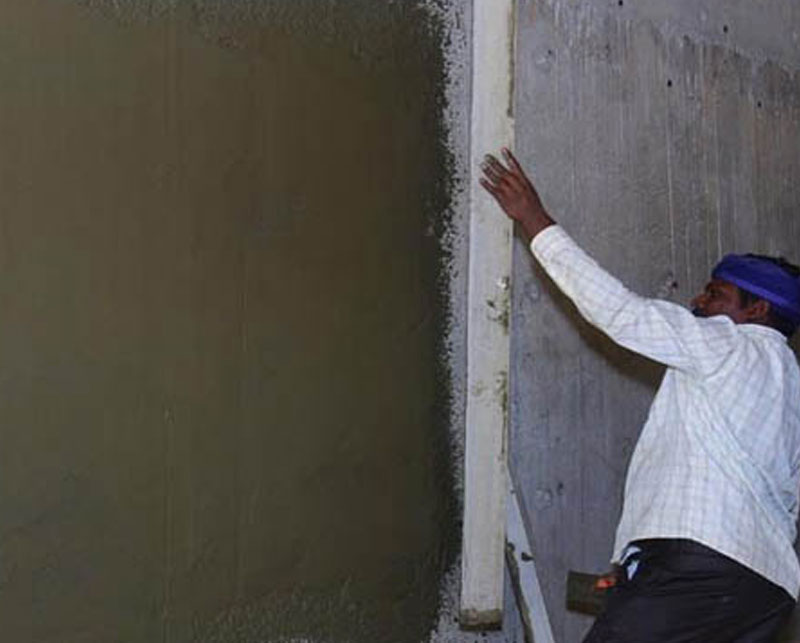
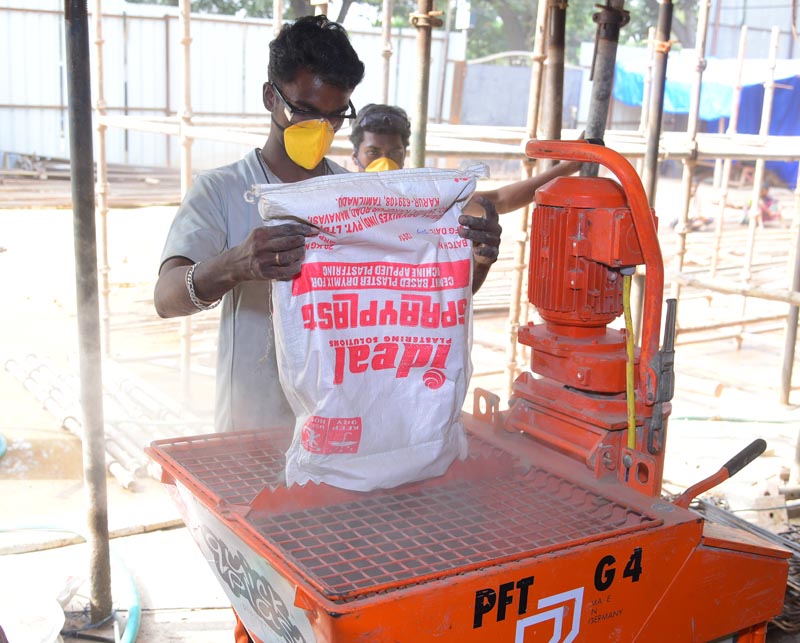
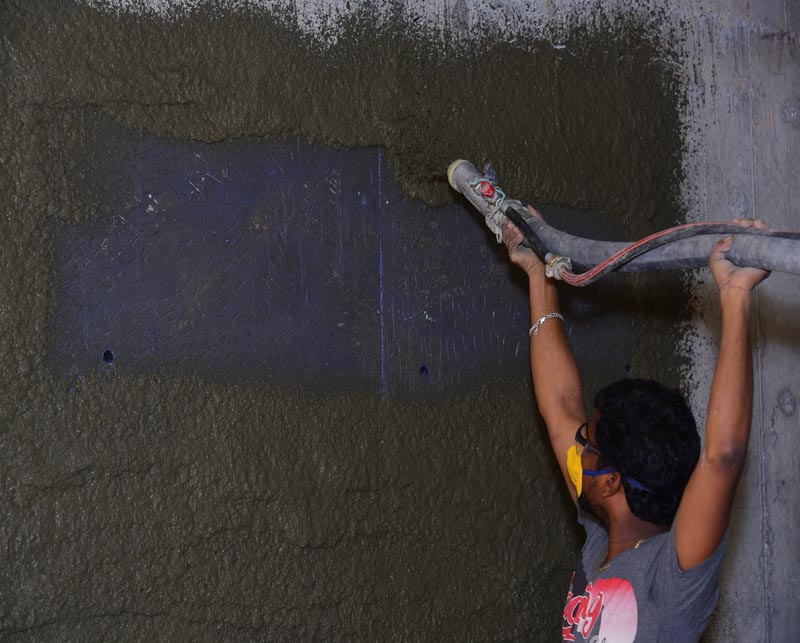
- Consistent, crack-resistant plastering — Machine-applied dry-mix plasters cure more evenly than hand-mixed site mortar, reducing the hairline cracks that let heat and moisture penetrate over time.
- A stable base before paint — A properly bonded wall putty prevents flaking and dampness, which matters more in a warming climate because thermal expansion and contraction happen more often and more severely.
- Compatibility with reflective top coats — Even the best heat-reflective paint underperforms on a poorly prepared substrate. The putty and plaster layer underneath needs to hold its bond through repeated heat cycles for the paint above to do its job.
Where Ideal Drymixes Fits Into This Picture
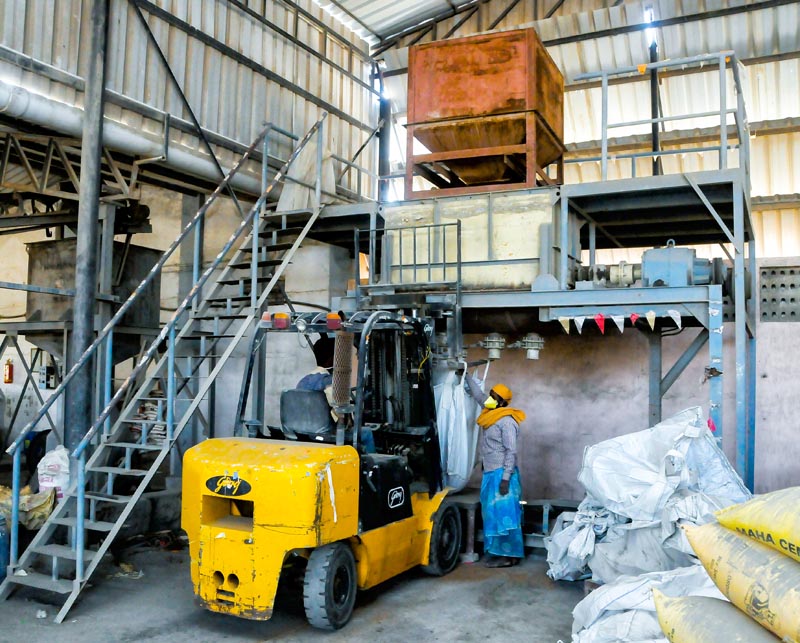
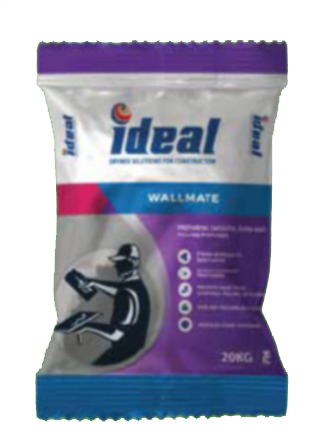
This is precisely the gap Ideal Drymixes has worked on for over a decade from its manufacturing base in Karur, Tamil Nadu. Our dry mix plasters, tile adhesives and wall putty are formulated for on-site reliability — mixed with water and applied directly, without the inconsistency that comes from manual sand-cement batching. For architects and contractors thinking about long-term thermal performance, that consistency is what allows a reflective or insulating paint system to actually deliver on its promise, instead of failing early because the layer beneath it cracked or debonded.
Products like our machine and manual-application dry-mix plaster and fine-finish wall putty are built to give a smoother, more even surface — the kind that resists the micro-cracking that accelerates heat and moisture damage in Indian summers. It’s a quieter part of the construction process, but it’s the part that determines whether everything applied afterward actually lasts.
What This Means for Builders and Homeowners in 2026
As Indian cities keep getting hotter, the materials chosen at the plastering and putty stage are no longer a minor line item — they’re a decision that affects indoor comfort, energy bills, and maintenance costs for years. If you’re planning a new build or a repaint, it’s worth asking your contractor what plaster and putty system is going beneath the paint, not just which paint brand is going on top.
A cooler home in a warming city starts with the wall, not just the coat of paint on it.