
Markwiz

Ideal Manplast Plus ready-mix plaster for smooth wall and ceiling finishing

Monsoon Is Coming. Is Your Construction Site Ready?

Monsoon Is Coming. Is Your Construction Site Ready? In 2025, India experienced extreme weather events on 331 of 334 days — the most persistent on record. The Southwest Monsoon delivered 108% of the Long Period Average rainfall, with its earliest onset since 2009. Every single day of the four-month monsoon season, June through September, recorded extreme weather events across 35 states and Union Territories. For construction professionals, these are not meteorological statistics. They are site management realities. In June 2025, Mumbai’s newly opened Metro Line 3 — a ₹20,000 crore project — flooded when rainwater entered through a broken barrier after record rains. A section of an under-construction national highway in Kerala’s Malappuram collapsed after structural damage from monsoon rains, injuring six people. India is ranked sixth globally among countries most affected by extreme weather. The 2026 monsoon will arrive with the same force. The difference between a site that absorbs the damage and a site that controls it is preparation — specifically, decisions made in March, April, and May that determine whether materials, surfaces, and structures are ready for what June will deliver. THE MONSOON THREAT IN NUMBERS — 2025 DATA What Monsoon Actually Does to an Active Construction Site The damage monsoon inflicts on construction sites is not random. It follows predictable pathways — and understanding those pathways is the starting point for preventing them. Cement and dry material destruction: Cement exposed to moisture begins hydrating immediately and permanently loses strength. Bags stored directly on concrete floors absorb ground moisture from below. A single overnight monsoon event can write off an entire stock of improperly stored cement — a loss that does not appear as a line item until the next material order arrives. Sand bulking and aggregate saturation: Monsoon-saturated sand undergoes severe bulking — volume increases of 20–40% are common in wet conditions. If mix ratios are not adjusted for this change, every batch of site-mixed plaster or concrete is made with a fundamentally different sand-to-cement ratio than the specification requires. The structural consequences of this variation compound across every wall poured during the rainy season. Plaster application failure: Fresh plaster applied to wet or damp substrates fails to bond correctly. High ambient humidity during monsoon extends open time unpredictably, changes working consistency, and creates conditions where site-mixed plaster with variable composition is particularly prone to delamination, cracking, and surface failure during and after curing. Reinforcement corrosion initiation: Steel left exposed on site during monsoon begins surface rusting within days. Lightly rusted bars can be cleaned and used; heavily corroded steel must be rejected. The cost of discovery late — during a concrete inspection, or worse, a structural audit — is orders of magnitude greater than the cost of protection applied before the rains. Timeline and cost cascades: Material losses, rework on failed plaster, and delays from waterlogged excavations do not stay contained. They push handover dates, trigger RERA implications, and convert weather risk into contractual liability. The Pre-Monsoon Construction Site Checklist The following actions should be completed at least 30 days before monsoon onset — which in most of India means by end of April or early May at the latest. For sites in Kerala and coastal Karnataka, where onset can be as early as late May, the window is even shorter. Where Site-Mixed Plaster Fails During Monsoon — And What Replaces It Of all the material failure risks that monsoon amplifies on construction sites, site-mixed plaster is the most consistent and the most costly — because the consequences are not immediately visible. A bag of cement that gets wet is an obvious write-off. Plaster applied from a batch that was mixed with monsoon-bulked sand, in humid conditions, on a substrate that had absorbed surface moisture — that failure appears weeks or months later, as cracking, as delamination, as a wall that fails paint adhesion inspection, as a defect claim under RERA. The specific failure modes of site-mixed plaster during monsoon conditions are well documented: Ratio corruption from sand bulking: A sand stockpile that has absorbed monsoon rainfall and bulked by 30% delivers a fundamentally weaker mix when measured by volume — more sand, less cement — than the specification requires. Without laboratory verification on every batch, this variation is invisible until the surface fails. Bond failure on damp substrates: IS 1661 requires substrates to be damp but not wet before plaster application. During monsoon, the line between damp and wet on a block wall is difficult to control without constant monitoring. Site-mixed plaster without bonding additives is particularly sensitive to substrate moisture variation. Unpredictable working time: High ambient humidity extends the open time of cement-based mixes unpredictably. Batches that would normally set in 30 minutes remain workable for longer — and are then applied past their optimal window, producing weaker, less bonded surfaces. How Ideal Drymix Performs Where Site Mix Fails in Monsoon Conditions Ideal Drymix is a factory-manufactured ready mix plaster engineered for Indian construction conditions — including the high-humidity, variable-substrate, compressed-timeline conditions that characterise active construction during and around the monsoon season. Every bag delivers fixed cement ratios, pre-graded aggregate with controlled moisture content, and polymer bonding additives that improve adhesion on substrates that would challenge site-mixed plaster. The quality is in the product before it reaches site — not dependent on whether the sand stockpile has bulked, whether the substrate dried out completely overnight, or whether the crew had time to adjust the batch for the morning’s humidity. No sand bulking error: Pre-graded, moisture-controlled aggregate means every bag delivers the same specification regardless of how much it rained last night. Improved bond on variable substrates: Polymer additives significantly extend the tolerance for substrate moisture variation — critical on sites where controlling substrate dryness during monsoon is practically difficult. Predictable working time: Formulation-controlled open time means crews know exactly how long each batch remains usable — reducing both wasted material and surfaces applied past their optimal window. Lower rework exposure: Consistent mix quality means consistent surface performance. The monsoon-season rework cycle that

Monsoon Is Coming. Is Your Construction Site Ready? Read More »

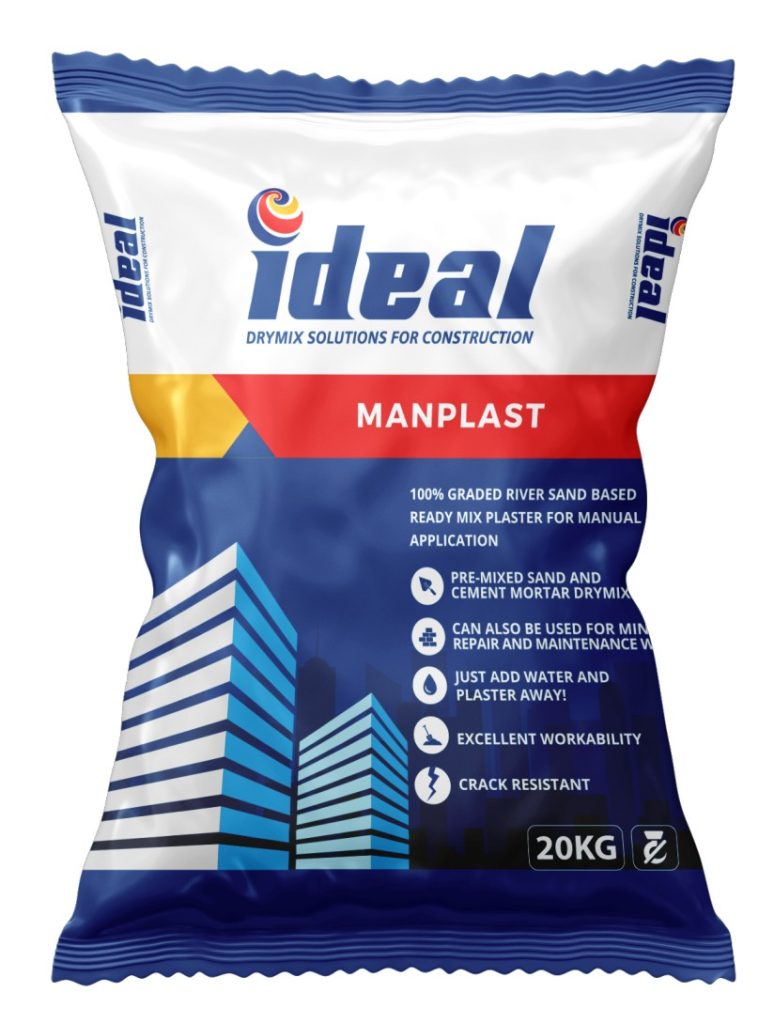
Ready mix plaster bag (20kg)

501 Buildings Declared Dangerous in Navi Mumbai – What Causes Structural Failure in Indian Buildings?

501 Buildings Declared Dangerous in Navi Mumbai – What Causes Structural Failure in Indian Buildings? The Navi Mumbai Municipal Corporation has declared 501 buildings dangerous for occupancy in its 2025-26 structural survey. Of these, 51 have been classified as critically unsafe and ordered for immediate evacuation and demolition. A further 104 require evacuation and structural repair before reoccupation can be considered. This is not the first time Navi Mumbai’s annual structural audit has produced numbers of this scale. In 2024-25, the NMMC dangerous buildings list included 527 structures, 62 of them in the C-1 critical category. While the total count reduced marginally to 501 in 2025-26, the number of buildings reaching critical risk classification remains serious, and the underlying structural failure patterns are unchanged. For builders, contractors, and developers across India, the NMMC data is not a Navi Mumbai problem, it is a national construction quality problem that this city’s audits are making visible year after year. KEY DATA: NAVI MUMBAI STRUCTURAL AUDIT 2025-26 Why 501 Buildings Were Declared Dangerous in Navi Mumbai NMMC’s structural survey process involves physical inspection of buildings over 30 years old, assessment of structural elements including columns, beams, slabs, and external plaster surfaces, and classification into categories based on the severity of deterioration found. Buildings in Category C-1 are the most severe classification and are those where structural integrity has been compromised to the point that continued occupancy carries risk to life. The NMMC has made the liability position explicit: it will not be held responsible for any loss of life or property resulting from non-compliance with evacuation or demolition orders. Written notices have been served to all owners and occupants of flagged buildings, and electricity and water supply connections to C-1 buildings will be disconnected. Enforcement action is available under Section 264 of the Maharashtra Municipal Corporation Act for owners who fail to comply. The audit itself is mandatory for all buildings over 30 years old under Section 265(A) of the Maharashtra Municipal Corporation Act. Inspections must be conducted by a civil or structural engineer registered with NMMC, with audit reports submitted by the March 31, 2026 deadline. Buildings that fail to complete their audits face penalty proceedings in addition to the structural risk they carry. Buildings do not become dangerous suddenly. Every C-1 classification in Navi Mumbai is the endpoint of a failure chain that began at the construction stage with the materials used, the mix ratios applied, and the quality controls in place at the time of original construction. In 2024-25, 527 buildings were declared dangerous. In 2025-26, 501 The numbers shift but the structural failure patterns do not. Top Causes of Structural Failure and Dangerous Buildings in India Research into building failures across India and comparable construction markets consistently identifies the same root causes. Understanding these is essential for every contractor and developer making material and method decisions on active projects today. Substandard construction materials: Low-grade cement, inconsistent aggregate, and unverified plaster mixes compromise structural elements progressively. Deterioration that is invisible at handover accelerates under load, moisture, and temperature cycling over years of use. Incorrect plaster mix ratios from uncontrolled site mixing: Site-mixed plaster using unverified aggregate and estimated cement ratios produces material that does not meet design specification. The NMMC has documented cases where improper repair attempts, using sub-specification materials, accelerated structural deterioration rather than arresting it. Unskilled application: Workers without training in correct application technique produce plaster that does not achieve design bond strength even when the specified materials are available. Surface failures follow, admitting moisture into the structure. Moisture ingress through failed plaster surfaces: Cracked or delaminated plaster is the primary moisture pathway into reinforced concrete elements. Once moisture reaches the reinforcement steel, corrosion begins – reducing section, generating expansive rust that cracks the concrete cover, and progressively destroying structural capacity. In low- to middle-income construction markets, building collapse is predominantly attributed to substandard materials and poor material mixing – identified as the top causes in peer-reviewed structural failure research. Every surface crack in plaster is a potential entry point for this failure chain. How Structural Audits Identify Dangerous Buildings in India Maharashtra’s structural audit framework requires all buildings over 30 years old to undergo periodic professional inspection. The audit process evaluates structural elements including foundation stability, column and beam integrity, slab condition, and the state of external and internal plaster surfaces. Auditors look for visible indicators of structural distress, spalling concrete, exposed and corroded reinforcement, severe cracking patterns, deformation in load-bearing elements, and plaster failure that suggests moisture has penetrated the envelope. Buildings that show significant deterioration in these elements are classified according to the severity of the risk identified. The classification system used by NMMC and similar municipal corporations across Maharashtra works as follows: C-1 (Dangerous): Critically unsafe. Immediate evacuation and demolition ordered. Continued occupancy presents risk to life. C-2A (Major Repairs with Evacuation): Significant structural deterioration requiring evacuation during repair works. 104 buildings in this category in Navi Mumbai’s 2025-26 survey. C-2B (Minor Repairs): Structural defects present but at a level permitting occupancy during repair, with conditions imposed. Under Section 265(A) of the Maharashtra Municipal Corporation Act, structural audits are mandatory for all buildings over 30 years old. Audits must be conducted by a civil or structural engineer registered with NMMC. The submission deadline for 2025-26 audit reports was March 31, 2026. Buildings failing to comply face penalties and enforcement action. Warning Signs Your Building May Be Structurally Unsafe For developers, property managers, and contractors managing existing buildings, the following surface conditions are documented early indicators of the structural failure chain. None of these should be dismissed as cosmetic: Hairline cracks in plaster: Fine surface cracks that appear within 12-24 months of construction indicate poor plaster mix quality or incorrect curing. Left unaddressed, they widen and admit moisture. Plaster delamination: Sections of plaster separating from the wall surface indicate bond failure that is typically caused by incorrect mix ratios, contaminated aggregate, or poor substrate preparation. Staining and efflorescence: White mineral deposits on external walls

501 Buildings Declared Dangerous in Navi Mumbai – What Causes Structural Failure in Indian Buildings? Read More »

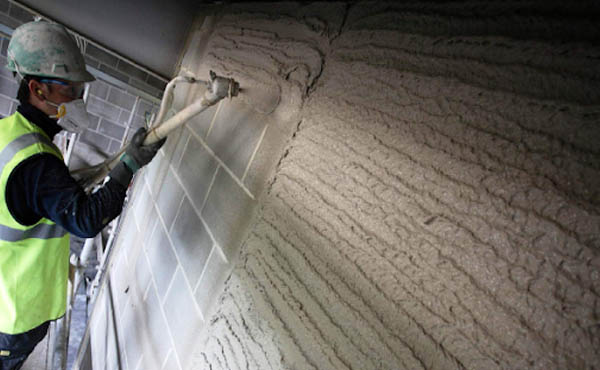
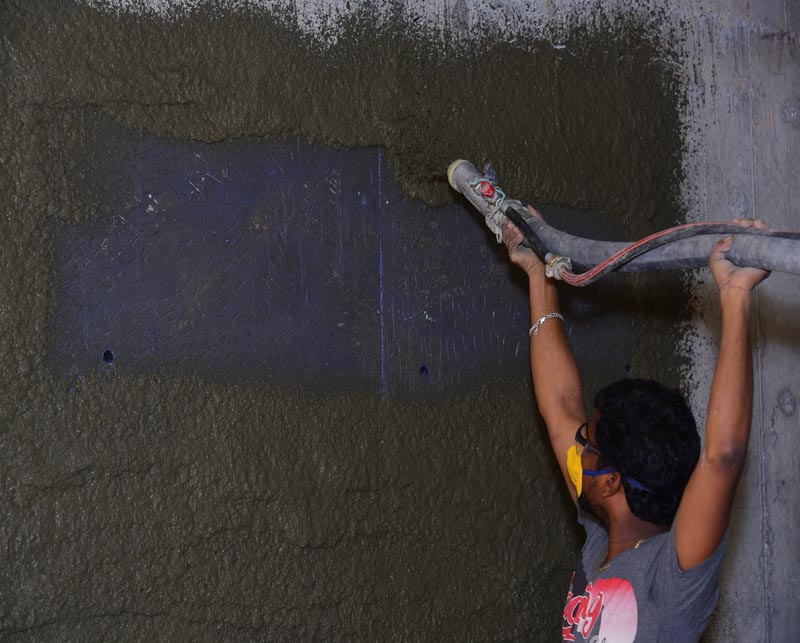
Worker applying cement plaster on wall using spray plastering machine

When a Critical Input Disappears – What India’s LPG Crisis Tells Every Contractor About the Labour Shortage

When a Critical Input Disappears – What India’s LPG Crisis Tells Every Contractor About the Labour Shortage A Crisis That Shut Thousands of Businesses Overnight In March 2026, hotels and restaurants across India began closing their kitchens, not by choice, but because the resource that powers them had disappeared. The ongoing conflict affecting the Strait of Hormuz cut off the majority of India’s LPG imports. India meets only 41% of its LPG demand from domestic production. When import supply collapsed, 20% of Mumbai’s hotels shut within days. Nearly 10,000 establishments across Tamil Nadu faced closure. In Bengaluru, 70% of restaurants reported irregular or zero supply.   The government moved quickly invoking the Essential Commodities Act, directing domestic refineries to increase output, and forming emergency review committees. A recovery pathway exists. The disruption, painful as it is, will resolve when the geopolitical situation changes.   India’s LPG crisis is an acute, event-driven supply failure. When the external cause resolves, supply returns. Businesses reopen. The damage is temporary.   But not all supply failures work this way. And for India’s construction industry, the comparison carries a warning that every builder, contractor, and developer operating today should take seriously. Construction Is Living Through the Same Crisis Without the Recovery Pathway India’s construction sector currently faces a shortage of approximately 10 million workers on any given day. The sector needs 33 million skilled and unskilled workers daily and is 30% short of that figure. A separate assessment by NAREDCO chairman Niranjan Hiranandani placed the skilled worker deficit at close to 2 million, specifically in trades including plastering, carpentry, electrical, and plumbing.   The sector employs 71 million people and is expanding rapidly, projected to grow 11.2% in 2025 alone, reaching INR 25.31 trillion. Yet the skilled workforce is not growing at the same pace. The reason is structural, not temporary.   Skilled construction workers are migrating to Gulf countries for better wages. Agricultural income growth is keeping rural labour from entering construction. An ageing workforce is retiring without replacement. Young workers are avoiding the sector. These are not short-term conditions they are structural trends that intensify over time.   This is where the comparison with the LPG crisis becomes critical. The LPG shortage is geopolitical and caused by an external event that will eventually end one day. The construction labour shortage is structural and driven by demographic shifts, wage competition, and sector perception problems that do not reverse when any single condition changes. “LPG supply returns when the war ends. Skilled plasterers who leave the construction industry for the Gulf or agriculture do not automatically return when the project needs them.” What the Labour Shortage Is Costing Construction Projects Right Now The consequences of India’s skilled labour shortage are not theoretical. They are present on active construction sites across the country, measured in delayed timelines, inflated wage bills, and compromised quality. Project delays: Developers are compelled to hire less experienced workers when skilled labour is unavailable, resulting in slower progress and missed deadlines which directly impacting RERA handover commitments. Increased labour costs: The limited pool of skilled workers commands higher wages. Large builders absorb these increases; smaller contractors operate on compressed margins with no buffer. Quality compromise: Unskilled or semi-skilled workers produce inconsistent results. In plastering, this means variable mix quality, uneven application, and finish failures that require costly remedial work. Compounding risk: Unlike the LPG crisis which is visible, acute, and generating emergency government response the labour shortage compounds quietly. Each year the gap widens, and the industry adjusts to a new lower baseline without recognizing the cumulative cost. The Construction Industry’s Answer: Reduce Skilled Labour Dependency at Source The restaurants disrupted by the LPG crisis are switching to piped natural gas, induction systems, and alternative fuels, permanently removing their dependence on a cylinder supply chain that proved vulnerable. The construction industry’s equivalent is factory manufactured drymix materials and ready-mix plaster.   Traditional site-mixed plaster is one of the most skilled labour dependent activities in construction. An experienced plasterer must control mix ratios by judgement, adjust for substrate conditions, manage working time, and deliver a consistent finish, a combination of skills that takes years to develop and is increasingly unavailable at the volume’s projects require.   Ready mix plaster removes this dependency. A factory-manufactured drymix product delivers a fixed, pre-engineered mix that requires consistent application technique and not specialist formulation skill. The quality outcome is not determined by the plasterer’s experience with ratios and additives. It is built into the product before it arrives on site. Reduced skill dependency: Workers with standard application training can deliver consistent, quality results widening the available labour pool significantly. Consistent finish quality: Factory calibration eliminates the batch variation that produces cracking, delamination, and surface failures regardless of who applies it. Faster site execution: No on-site batching, no mix corrections, no wasted time compensating for inconsistent material. Plastering proceeds at pace. Lower overall labour cost: Faster application and reduced rework translate directly into lower labour spend per square metre measurable on every project. How Ideal Drymix Addresses This Directly Ideal Drymix is a factory manufactured ready mix plaster designed specifically for Indian construction conditions. Every batch delivers fixed mix ratios, verified aggregate grading, and consistent bonding performance on internal walls, external facades, AAC blocks, fly ash bricks, and concrete substrates.   For contractors dealing with skilled plasterer shortages, Ideal Drymix provides a direct operational solution: consistent plastering quality that is no longer contingent on finding, retaining, and managing a diminishing pool of specialist workers. The quality is in the product, not dependent on the person applying it. Two Crises, One Lesson India’s LPG crisis made visible what happens when a business loses a critical input without warning. The response has been swift because the disruption is impossible to ignore and kitchens go cold, restaurants close, revenue stops.   Construction’s labour shortage works differently. It does not shut sites overnight. It degrades them slowly timelines slip, quality drops, costs climb, and the industry adapts to a reduced baseline

When a Critical Input Disappears – What India’s LPG Crisis Tells Every Contractor About the Labour Shortage Read More »

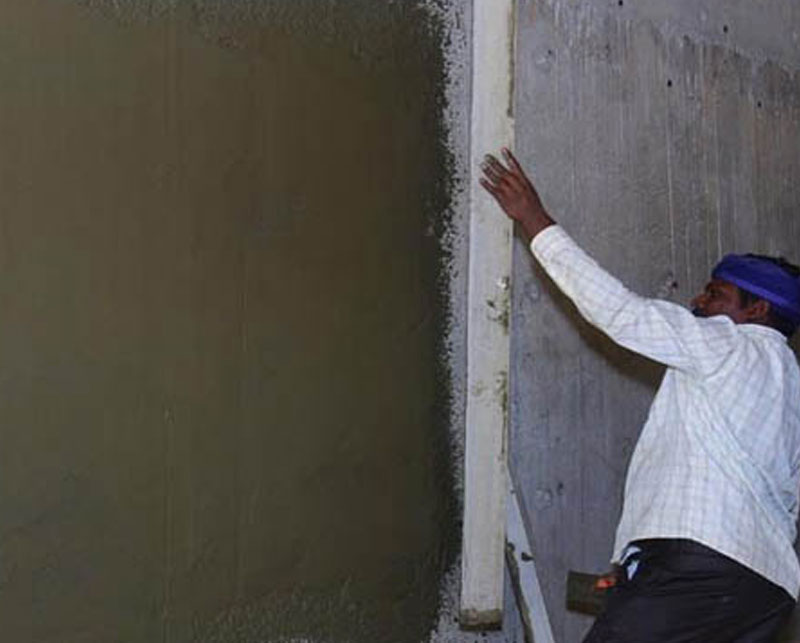
Spray application of Ideal Drymix plaster on block wall

Indian Construction Risks 2026: Labor, Material & Water

The Triple Threat: Mitigating Labor, Material, and Water Risks in Indian Construction (2026) For developers and contractors in India, the start of 2026 has presented a simultaneous tightening of labor, raw material, and water availability. The “business as usual” approach of site-mixed mortar is becoming increasingly difficult to sustain in this volatile environment. From Bengaluru to Trivandrum, shortages are impacting project timelines. Here is a data-driven look at the current market landscape and how Ideal Drymixes offers a risk-mitigation strategy for your next project. Threat #1: The Skilled Labor Deficit The Market Reality: The industry is facing a widening gap between labor demand and supply. In January 2026, Niranjan Hiranandani (MD, Hiranandani Group) highlighted a sector-wide deficit of roughly 2 million skilled workers. As major infrastructure projects absorb the available workforce, private developments often face slowdowns. The Dry Mix Advantage: Switching to factory-produced mortar reduces dependency on skilled labor availability. Productivity: Ideal Ready Mix Plaster enables coverage of 250–350 sq. ft. per mason/day (under standard site conditions), significantly outpacing the industry average of 150 sq. ft. with site mixing. Labor Optimization: By eliminating the need for manual sieving, batching, and transport crews, sites can often maintain output schedules even with a 30–50% leaner workforce. Threat #2: Raw Material Supply Chain Shocks The Market Reality: Reliance on local quarrying leaves projects vulnerable to regulatory stoppages. In Trivandrum, the NH-66 Attingal Bypass faced significant delays in late 2025 due to an acute shortage of red earth and aggregate caused by mining restrictions. In Davanagere, Construction activity slowed noticeably due to delays in sand block auctions and environmental clearances. The Dry Mix Advantage: Ideal Drymixes operates as supply chain insurance for your project. Stability: Unlike local sand supplies, which fluctuate with auctions and strikes, our industrial-scale procurement and warehousing ensure consistent delivery. Scalability: This ensuresa consistent supply even for large multi-phase or high-rise developments, regardless of local quarry conditions. Threat #3: Summer 2026 Water Restrictions The Market Reality: As of February 2026, the BWSSB (Bangalore Water Supply and Sewerage Board) has identified 448 water-stressed pockets in Bengaluru. With strict penalties for using potable water in construction, water management is now a compliance issue. The Dry Mix Advantage: Advanced mortar technology allows for construction with minimal external water usage. Self-Curing Capabilities: Our mortars are engineered with Cellulose Ethers that retain moisture within the mix, ensuring proper hydration and strength development while eliminating or significantly reducing the need for external water curing. Resource Efficiency: This approach saves thousands of liters of water per floor, aiding in Green Building compliance and reducing reliance on water tankers. The Technical Edge: Engineering Consistency Beyond logistics, factory-controlled grading and additives enable consistent compressive strength in the range of 7–10 N/mm², significantly reducing the variability and shrinkage cracks seen in site-mixed mortars. The Bottom Line: Financial & Operational Impact Adopting dry mix technology is not just an operational convenience; it is a financial decision. By minimizing wastage (typically <5%), accelerating application speed, and reducing rework, Ideal Drymixes typically delivers net savings of 10–20% on wet trade costs, driven by lower rework, reduced material loss, and faster execution cycles. Looking Ahead For developers planning projects in 2026, the question is no longer whether to adapt to these constraints, but how quickly one can secure a resilient supply chain. Frequently Asked Questions (FAQ) What is dry mix mortar, and how does it differ from site mix? Dry mix mortar is a factory-made mixture of cement, graded sand, and polymers delivered in bags. Unlike site mix, which requires manual mixing of raw materials on-site, dry mix only requires the addition of water, ensuring consistent quality and zero sand wastage.  How does dry mix mortar reduce construction cost overruns? It reduces overruns by speeding up application (up to 2x faster than traditional methods), eliminating sand wastage (saving ~20% on materials), and reducing the need for rework due to cracking or debonding. Does dry mix mortar require water curing? Most high-quality dry mix mortars, including Ideal Drymixes, are engineered with water-retention additives that allow the mortar to set and gain strength with minimal to zero external water curing. Is dry mix mortar more expensive than traditional mortar? While the upfront cost per bag may appear higher than raw sand and cement, the total installed cost is often 10-15% lower. This is due to savings on labor, zero material wastage, and the elimination of rework costs. Can dry mix mortar solve labor shortages? Yes. Because it is pre-mixed and easier to apply, it allows masons to cover more area per day (250-350 sq. ft.) and eliminates the need for helper labor typically used for sieving and mixing sand.

Indian Construction Risks 2026: Labor, Material & Water Read More »

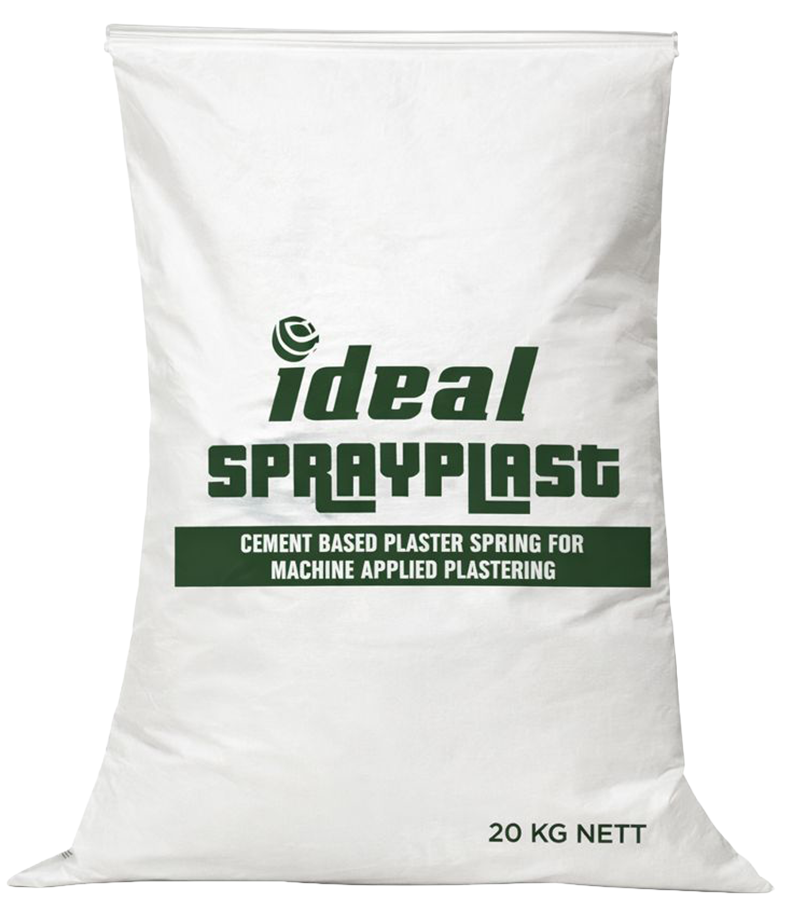
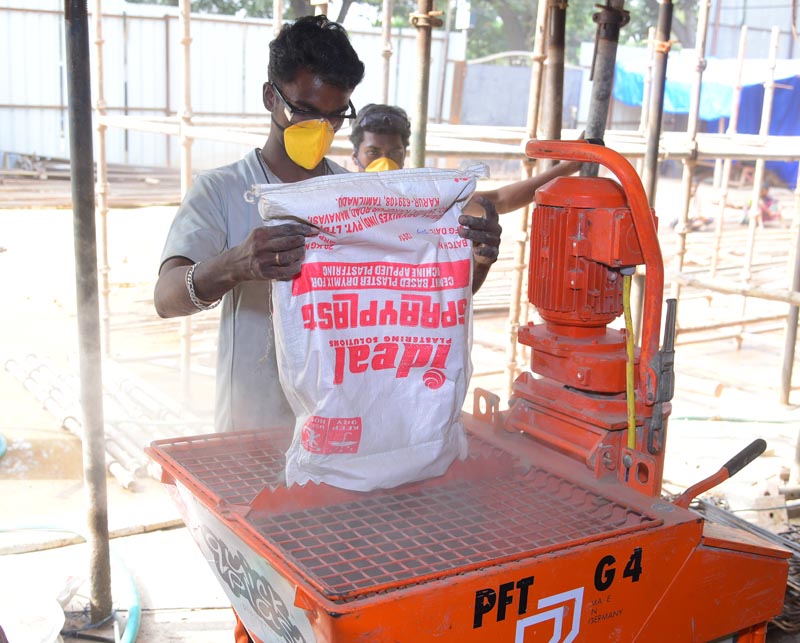
Spray plaster bag packaging (20kg)

Bengaluru Construction Solutions

Battling Bengaluru’s Construction Chaos: How Ideal Drymixes Solves the Water, Labor, and Traffic Crisis Ideal Drymixes is a leading dry mix plaster manufacturer in Bengaluru, offering water-saving, spray-applied, and self-curing plaster solutions for high-rise residential and commercial construction across Bangalore.   Let’s be honest: Building in Bengaluru is an extreme sport.   If you are a contractor or developer in this city, you aren’t just managing a construction site; you are managing a crisis. You are fighting BWSSB water restrictions that have dried up 6,900+ borewells. You are battling peak-hour traffic bans on the Outer Ring Road (ORR) that delay your material trucks. You are scrambling to find skilled masons who seem to vanish every harvest season.   The old way of building—dumping river sand on the roadside and curing walls with thousands of liters of tanker water—is no longer just inefficient. In 2026, Bengaluru will become operationally impossible.   To survive, you need dry mix plaster for Bengaluru high-rise projects that work with the city’s constraints, not against them. Here is how Ideal Drymixes is engineered to solve the specific pain points of Bengaluru’s construction reality. Pain Point #1: “We Are Running Out of Water” Water Saving Dry Mix Plaster for Bengaluru High-Rises The Reality: Groundwater tables in Whitefield and Sarjapur have hit rock bottom. Relying on private water tankers for 14 days of “curing” is financially draining and leaves you vulnerable to price surges. With strict NGT and BWSSB norms capping potable water usage for construction, relying on traditional methods is a regulatory risk. The Ideal Solution: You don’t need more water; you need better chemistry. Self-Curing Tech: Our water-saving plaster for Bangalore is fortified with HPMC polymers that retain moisture inside the mix. This allows the cement to hydrate fully without external water hosing. The Impact: On a typical 15-story residential tower in Electronic City, switching to Ideal Drymixes saves approximately 3–5 Lakh liters of water. That is water you don’t have to buy, store, or worry about. Pain Point #2: “My Material Trucks Are Stuck in Traffic” Ready Mix Mortar Logistics Challenges in Bengaluru The Reality: Bengaluru traffic is legendary. Getting a sand truck into a narrow lane in Indiranagar or Koramangala during the day is a nightmare. Coordinating three different vendors (sand, cement, additives) triples your logistical headache and increases the chance of delays. The Ideal Solution: Vertical Logistics We treat construction logistics like retail logistics. One Truck, Not Three: Ideal Drymixes delivers a pre-blended product. You manage one delivery, not three. Palletized Storage: Our material comes in neat, stacked pallets. In congested CBD sites where ground space is gold, you can store 20 tons of material vertically in a fraction of the space required for a loose sand pile. Pain Point #3: “I Can’t Find Skilled Labor” Dry Mix Plaster to Reduce Skilled Labor Dependency in Bengaluru The Reality: The labor shortage is the silent killer of project timelines. Finding a gang of 50 skilled masons to plaster a high-rise manually is becoming impossible. When labor is scarce, quality drops, and timelines stretch. The Ideal Solution: Automation (Ideal Sprayplast). If you can’t find more people, you need faster tools. Machine Speed: We provide Ideal Sprayplast, a mortar designed specifically for spray machines. The Math: A manual team covers ~500 sq. ft./day. A machine team using a spray plaster machine Bengaluru technology covers 2,000+ sq. ft./day. You can finish your project with half the workforce. Pain Point #4: “The Neighbors Are Complaining About Dust” Meeting KSPCB Norms with Dust-Free Plaster The Reality: In premium residential zones like Jayanagar or Sadashivnagar, dust pollution is a major issue. Open heaps of river sand and cement mixing on-site invite complaints from neighbors and fines from the Karnataka State Pollution Control Board (KSPCB). The Ideal Solution: The Clean Site Zero Dust: Because our sand is washed and dried in our factory (not on your site), there is no sieving dust polluting the air. Zero Runoff: The material stays sealed in the bag until the moment it is used. No sand washing into storm drains during the monsoon, keeping you compliant with environmental norms. Real World Impact: The Cost of “Old School” Thinking The Scenario: Consider a typical G+18 residential tower on Sarjapur Road. The project kicks off in January using traditional site-mix plaster. By March, the borewell runs dry. By April, the labor gang leaves for the harvest season. The project is now 3 weeks behind schedule and bleeding money on private water tankers. The “What If” Analysis: If this project had specified Ideal Drymixes from Day 1, the outcome would have been drastically different. Based on standard industry performance, here is what they could have saved: The Water Factor: Instead of panicking over a dry borewell and buying 45 expensive water tankers for curing, they could have utilized our Self-Curing Plaster. The Advantage: Zero dependency on tankers. Zero curing delays. The Labor Factor: Instead of waiting for a manual gang of 50 masons to return, they could have deployed just two Ideal Sprayplast machines with a small crew of 8. The Advantage: The plastering would have finished on schedule, immune to labor migration trends. The Wastage Factor: Instead of watching an estimated 18% of their river sand wash away into the mud (money literally down the drain), they would have operated with <2% wastage using our rebound-optimized formula. Conclusion: Setting a New Standard Building in Bengaluru has evolved, but the material market hasn’t kept up—until now. Too many dry mix options in the market today are just “bagged sand.” They often lack the chemical engineering required to actually save water or support high-speed machine applications. Ideal Drymixes is different. We are engineered specifically for this city’s challenges. We don’t just sell you a product; we provide a survival system for the modern builder. Our polymer-modified technology is designed to withstand the water shortages and labor crises that generic mortars ignore. Technical FAQ: Bengaluru Specifics Q: Which is the best water-saving plaster for Bangalore construction? A: Ideal Drymixes

Bengaluru Construction Solutions Read More »

Spray plaster bag packaging (20kg)

Dry Mix Mortar for Sustainable Construction

Sustainable Construction Materials in India: Why Dry Mix Mortar Is Essential for Green Buildings If you are an architect, developer, or green building consultant searching for sustainable construction materials in India, dry mix mortar should be at the top of your shortlist. The Indian construction industry is at a crossroads. With the sector contributing to nearly 22% of India’s total CO2 emissions, the push for eco-friendly construction materials is no longer a choice—it is a regulatory and environmental necessity. As green building certifications like the Indian Green Building Council (IGBC), GRIHA, and Leadership in Energy and Environmental Design (LEED) tighten their standards, developers are shifting focus from simply “energy-efficient lights” to the “embodied energy of materials.” In this context, dry mix mortar has emerged as a critical solution. It is not just a faster way to build; it is a cleaner, more responsible way. Why Sustainable Construction Materials Matter in India India is witnessing a construction boom, but it comes at an environmental cost. Water scarcity in major metros and overflowing landfills have forced regulatory bodies to impose strict norms on Construction & Demolition (C&D) waste. For the modern Indian developer, sustainability is now linked to profitability. Using green building materials allows projects to: Secure faster environmental clearances. Achieve higher Floor Space Index (FSI) benefits in some states. Market properties as “Eco-Homes” to conscious buyers. What Is Dry Mix Mortar and How Is It Different from Site Mix? Dry mix mortar is a factory-engineered blend of dried sand, cement, and polymer additives, delivered in bags ready for use. Unlike traditional site-mix mortar, which relies on manual mixing of raw materials, dry mix offers precision and consistency. The Green Difference: Site Mix: High wastage (10–20%), requires potable water for curing, relies on river sand. Dry Mix: Negligible wastage (<2%), often self-curing, utilizes industrial byproducts like fly ash. Environmental Benefits of Dry Mix Mortar for Green Buildings 1. Zero-Wastage Construction: Cutting C&D Debris at Source The most visible sin of traditional construction is waste. In a typical site-mixed plastering scenario, rebound loss (mortar falling off the wall) and sand spillage commonly account for 10–20% of total material volume. This material ends up in landfills, contributing to the massive urban issue of C&D waste. The Engineering Solution: Ideal Drymixes products are engineered with polymers for high adhesion. This significantly reduces rebound loss to single digits (<2–5%). Furthermore, because the material is delivered in palletized bags rather than loose heaps, ground spillage is eliminated. With Indian cities tightening norms on C&D waste disposal, reducing plaster wastage at the source directly lowers disposal trips and landfill load. 2. Water Conservation: Curing-Free Plaster and Self-Curing Polymers Water is a scarce resource. In water-stressed cities like Bengaluru, Pune, and Hyderabad, curing water often comes from tanker supplies—expensive, uncertain, and environmentally damaging. Traditional plaster requires copious amounts of water for mixing and 7–14 days of external curing. The Calculation: For a typical 1,000 sq. ft. flat (~7,000 sq. ft. wall+ceiling area), conventional plastering can consume over 15,000 liters of water just for curing. The Solution: Advanced curing-free plaster formulations use HPMC (Hydroxypropyl Methyl Cellulose) as an additive. These retain moisture within the matrix, allowing the cement to hydrate fully without external water application, saving tens of thousands to millions of liters per project (depending on scale). 3. Low Embodied Carbon with Fly Ash and SCMs One of the core principles of sustainable construction materials is the use of recycled content. Factory-made dry mix mortar is a key enabler of the Circular Economy. We incorporate Fly Ash (a byproduct of thermal power plants) as a Supplementary Cementitious Material (SCM). Far from being a “filler,” processed fly ash improves the workability and durability of the plaster while significantly reducing the carbon footprint associated with virgin cement production. 4. Protecting Rivers with M-Sand and Processed Aggregates The illegal dredging of river sand has caused ecological devastation, lowering water tables and destabilizing riverbanks across India. Leading manufacturers like Ideal Drymixes align with environmental governance (ESG) goals by using Manufactured Sand (M-Sand) or washed processed sand. By processing crushed stone fines through a washing and grading system, we create a high-quality aggregate that reduces reliance on river dredging and protects local biodiversity. How Dry Mix Mortar Supports IGBC, GRIHA, and LEED Credits For consultants, mapping materials to specific credits is crucial. Here is how dry mix mortar supports your certification goals: IGBC Green New Buildings: Construction Waste Management: Reduces on-site waste generation. Water Efficiency: Eliminates water required for curing. Materials with Recycled Content: Utilizes fly ash. GRIHA (Green Rating for Integrated Habitat Assessment): Criterion 15: Utilization of fly ash in building structure and finishes. Criterion 16: Reduced embodied energy of building structure and finishes (via SCMs like fly ash). LEED (Leadership in Energy and Environmental Design): Materials & Resources (MR): Contributes to Building Product Disclosure and Optimization (Sourcing of Raw Materials). It also supports Regional Materials credits when sourced within LEED-specified radii. Conclusion: Why Developers Are Switching to Dry Mix Mortar The definition of a “quality building” has changed. It is no longer just about aesthetics; it is about the footprint we leave behind. As a category of sustainable construction materials, Dry Mix Mortar offers a triple advantage: Ecological (saves water/rivers), Economic (reduces wastage), and Technical (improves durability). For the modern developer, switching to dry mix is the easiest step toward a greener, more responsible construction portfolio. Ready to build responsibly? [Explore our Green Product Range] or [Contact Us] to discuss specifications for your next IGBC or GRIHA-rated project. Technical FAQ: Green Building Queries Q: How does dry mix mortar help with IGBC certification? A: Dry mix mortar supports IGBC certification by reducing construction waste, eliminating curing water, and enabling the use of recycled materials like fly ash. This aids credits under Construction Waste Management, Water Efficiency, and Materials with Recycled Content. Q: Is dry mix mortar suitable for large projects and high-rise buildings? A: Yes. Dry mix mortar is widely used in high-rise residential and commercial projects because it supports pumpable

Dry Mix Mortar for Sustainable Construction Read More »

Ideal Manplast ready-mix plaster packaging for smooth wall and ceiling plastering

Dry Mix Mortar Manufacturing Process

Dry Mix Mortar Manufacturing Process: Chemistry, Automation & Quality Control The Indian construction industry is currently witnessing a fundamental shift in material science. Just as the industry transitioned from site-mixed concrete to Ready Mix Concrete (RMC) two decades ago, a similar evolution is now critical for masonry and plastering. The driver of this shift is the dry mix mortar manufacturing process. For engineers and developers facing labor shortages and quality inconsistencies, understanding this process is key. Unlike site-mixed plaster, which relies on manual guesswork, factory-made mortar is an engineered solution designed to solve specific Indian construction conditions—from high silt content in river sand to the adhesion challenges of AAC blocks. Raw Material Processing: Solving the “Sand Problem.” The primary failure point in traditional masonry is the aggregate. In a manual site-mix setup, sand is often used in its raw state, containing moisture, silt, and organic impurities. In the advanced dry mix mortar manufacturing process, raw material procurement is a chemical imperative. The Physics of Sand Bulking Raw river sand contains moisture, which creates a surface tension film around the particles. This pushes the particles apart, artificially increasing the volume—a phenomenon known as sand bulking in plaster. When masons mix by volume (e.g., 1 basket of cement to 4 baskets of sand), this “bulked” sand tricks them into using less sand than required. The result is a cement-rich mix prone to high shrinkage and cracking. The Manufacturing Solution: To eliminate this variable, advanced plants utilize Rotary Kiln Drying. Sand is heated to remove 100% of moisture. This ensures that the sand particles are inert and do not react until water is added at the construction site. Particle Size Distribution (Grading) Strength in mortar comes from “packing density”—how tightly the sand grains fit together. If all grains are the same size, voids are created. The Process: Factory manufacturing involves mechanical sieving to separate sand into specific fractions (e.g., 0-0.6mm, 0.6-1.2mm). The Optimization: These fractions are mathematically recombined to create a “continuous gradation” as per IS 1542. Smaller grains fill the spaces between larger grains, creating a dense, non-porous matrix that naturally repels water and increases the dry mix’s compressive strength. Polymer Modification: The Chemistry of Adhesion Standard cement mortar relies purely on “mechanical interlocking” to stick to a wall. However, modern substrates like AAC Blocks and dense concrete have different suction properties, making it difficult for standard mortar to bond. This is where polymer-modified mortar chemistry comes into play. HPMC: The Cure for Water Loss In hot Indian climates, walls suck water out of mortar too quickly, stopping the cement from hydrating (hardening). HPMC water retention plaster additives create a “locking mechanism” that holds water inside the mortar. This allows for full hydration without the need for constant external curing. RDP: The Microscopic Glue RDP polymer in mortar (Redispersible Polymer Powder) acts as an organic binder. When water is added, these powders re-activate to form a flexible polymer film throughout the mortar matrix. This acts like a microscopic glue, significantly increasing adhesion strength and providing flexibility to withstand thermal expansion. The Dry Mix Mortar Manufacturing Process: SCADA Automation The defining difference between a “mix” and a “solution” is consistency. Manual mixing is subject to human variance. Industrial manufacturing utilizes SCADA automation construction systems to control the entire production cycle. Gravimetric vs. Volumetric Batching Volumetric (Manual): Measuring by “container” or volume. Highly inaccurate due to packing density changes. Gravimetric (Factory): Measuring by weight. In a modern plant, load cells measure ingredients to a tolerance of +/- 0.5%. If a formulation requires exactly 2.5 kg of polymer per ton, the automated PLC (Programmable Logic Controller) ensures exactly that amount is dispensed. This precision is impossible to replicate in field conditions. Fluidized Bed Mixing Getting a small amount of polymer distributed evenly through 1,000 kg of sand is a physics challenge. Advanced plants use Plough Shear Mixers. These machines use high-speed blades to create a “fluidized bed”—temporarily suspending particles in the air to create a 3D turbulent mix. This ensures that every gram of the final product contains the exact ratio of sand, cement, and chemical additives. Quality Control Protocols: IS Code Compliance For engineers, adhering to the Bureau of Indian Standards (BIS) is non-negotiable. A strict factory QC process ensures IS 2250 dry mix mortar compliance. Our labs test for: Silt Content (IS 1542): Factory-washed sand maintains <3% silt content, whereas site sand often exceeds the 8% limit. Compressive Strength: We crush mortar cubes to verify that the structural load capacity is consistent. Pull-Off Strength: Ensuring the bond between the plaster and the substrate meets international standards. Conclusion: The Future is Process-Driven As Indian construction shifts toward performance-based specifications, the dry mix mortar manufacturing process is no longer optional—it is fundamental to achieving durability, consistency, and compliance. By transitioning from site-mixed methods to factory-engineered solutions, builders achieve: Scientific Consistency: Eliminating human error through SCADA automation. Chemical Superiority: Leveraging polymer chemistry for better adhesion. Regulatory Compliance: Meeting IS 2250 and IS 1542 standards by default. For the modern civil engineer, the choice is clear: stop mixing variables on-site, and start building with engineered certainty. Technical FAQ Q: Is dry mix mortar better than site mix plaster? A: Yes. Dry mix mortar is superior because it uses washed, kiln-dried sand and polymer additives mixed via SCADA automation, eliminating the silt issues and inconsistency found in manual site mix. Q: Does polymer-modified mortar require curing? A: Generally, no. The HPMC additives in the mix retain water internally, allowing the cement to hydrate fully without external water curing. However, in extreme heat, a light sprinkling for 48 hours is a good practice. Q: Which IS codes apply to dry mix plaster? A: The key standards are IS 1542 (Sand for Plaster) and IS 2250 (Code of Practice for Preparation and Use of Masonry Mortars). Q: Can dry mix mortar be used for AAC blocks? A: Yes, it is actually recommended. Traditional mortar often fails on AAC blocks due to high suction; dry mix mortar contains water-retention polymers

Dry Mix Mortar Manufacturing Process Read More »

Ideal Manplast ready-mix plaster packaging for smooth wall and ceiling plastering

Why Site-Mixed Plaster Is Outdated Today

From Tradition to Risk: Why Site-Mixed Plaster No Longer Fits Modern Construction Strong narrative framing Indian construction has evolved rapidly over the last decade. Structural systems have transitioned from manual concreting to Ready Mix Concrete (RMC) as a standard practice, driven by the need for consistency, speed, and quality assurance. Yet, one critical finishing activity—plastering—continues to rely heavily on traditional on-site mixing methods. This inconsistency creates a hidden quality gap. While the structural frame is engineered to tight tolerances, the plaster layer—responsible for surface integrity, durability, and final aesthetics—is often produced under uncontrolled site conditions. The result is a high incidence of post-handover defects such as cracking, debonding, hollow patches, and excessive material wastage. This article examines the most common technical failure mechanisms associated with site-mixed plaster and explains why factory-engineered plaster systems are increasingly being specified on high-rise, fast-track, and premium developments. 1. Silt Contamination in Sand: The Root Cause of Adhesion Failure The performance of cement mortar is directly dependent on aggregate quality. In site-mixed plaster, river sand is typically sourced from local suppliers, where quality control is inconsistent, and verification is minimal. As per IS 1542, sand used for plastering should have a maximum silt content of 8%. In practice, bulk site deliveries frequently exceed this limit, with silt levels often reaching 12–15%, particularly during monsoon seasons or in regions facing sand scarcity. Silt and clay particles form a thin coating around sand grains, preventing effective bonding between the cement paste and the aggregate. This weak interface compromises adhesion to the substrate and leads to long-term failures such as: Hollow or drummy plaster Progressive delamination Eventual surface collapse under minor impact or vibration These defects rarely appear immediately, making them expensive and disruptive to rectify post-handover. How Engineered Plaster Addresses This Factory-manufactured plaster uses washed, dried, and mechanically graded sand, eliminating silt contamination. Controlled grading also improves particle packing, resulting in stronger bond development and more durable plaster layers. 2. AAC Block Compatibility: Understanding Plastic Shrinkage Cracking The widespread adoption of Autoclaved Aerated Concrete (AAC) blocks has introduced new plastering challenges that traditional cement-sand mortars were never designed to handle. AAC blocks are lightweight and highly porous, exhibiting significantly higher water absorption compared to conventional red bricks. When site-mixed plaster is applied: The substrate rapidly draws water from the mortar Cement hydration is interrupted Early-age shrinkage occurs before strength development This leads to plastic shrinkage cracks, typically visible within days of application. Pre-wetting AAC blocks is often suggested as a solution, but in practice, achieving uniform and adequate saturation across large wall areas is unreliable. How Engineered Plaster Addresses This Polymer-modified ready-mix plasters incorporate water-retention agents that slow moisture loss from the mortar. These additives counteract substrate suction, allowing full cement hydration even on high-absorption surfaces like AAC blocks—significantly reducing crack formation without excessive site-dependent measures. 3. Volumetric Batching Errors: Inconsistent Strength Across the Same Wall Manual site mixing relies on volumetric batching, typically using head pans, shovels, or improvised containers. While nominal ratios such as 1:4 or 1:5 may be specified, actual proportions vary widely due to: Labour fatigue Measurement inconsistency Time pressure on fast-track projects A small deviation in cement content can dramatically affect compressive strength, shrinkage behavior, and durability. Over an entire façade, this results in a patchwork of variable plaster quality—some areas performing adequately, others eroding or cracking prematurely. How Engineered Plaster Addresses This Factory production eliminates human error. Each batch is weighed, not measured by volume, under computerized controls. This ensures uniform chemical composition and mechanical properties across every bag, delivering predictable performance throughout the project. 4. Rebound Loss and Material Wastage: The Invisible Cost Escalator Traditional site-mixed mortar often lacks cohesion and workability. During application, a significant portion fails to adhere on impact and falls to the ground. Industry observations place this rebound loss between 15% and 20%. Beyond material cost, rebound loss increases: Site cleaning labour Debris handling Work delays Inconsistent surface finish due to retempering attempts These losses are rarely accounted for during initial cost comparisons, leading to misleading assumptions about the “economy” of site mixing. How Engineered Plaster Addresses This Engineered plasters are formulated for controlled rheology and surface adhesion. Improved tackiness ensures better on-wall retention, reducing rebound loss to negligible levels and improving both material efficiency and site housekeeping. Conclusion: From Tradition to Technical Accountability Plastering is no longer a low-risk finishing activity—it is a performance-critical interface between structure, services, and final finishes. The defects associated with site-mixed plaster are not anomalies; they are the predictable outcome of uncontrolled materials and processes. As project timelines compress and construction systems become more advanced, process standardization is no longer optional. Factory-engineered plaster systems align plastering with the same quality discipline already applied to concrete, masonry, and waterproofing. For developers, consultants, and project managers, the real decision is not between “traditional” and “modern” plaster—but between short-term cost perception and long-term performance certainty. Frequently Asked Questions Why does plaster debond after a few years? High silt content in sand and poor adhesion between plaster and substrate are the most common causes of long-term debonding. Is site-mixed plaster suitable for AAC blocks? Traditional cement-sand mortar is poorly suited for AAC blocks due to high water absorption, often resulting in shrinkage cracks. Is ready-mix plaster more expensive than site mix? While the bag cost may be higher, reduced wastage, rework, and defect rectification often make engineered plaster more economical over the project lifecycle. What standards govern plaster sand quality in India? IS 1542 specifies limits on silt content and grading requirements for plastering sand.

Why Site-Mixed Plaster Is Outdated Today Read More »

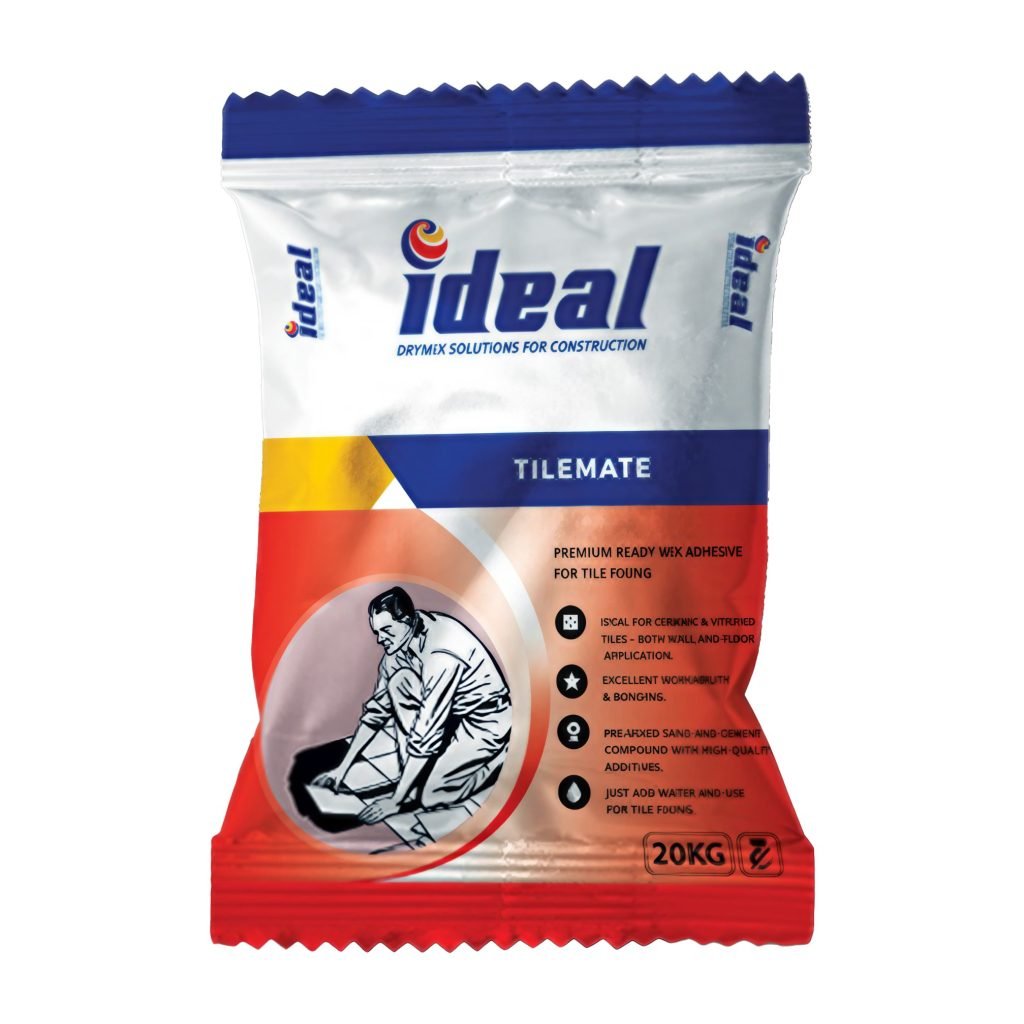
Ideal Tilemate Plus tile adhesive for ceramic and porcelain tile installation

Choosing the Right Tile Adhesive

Meta Description: Don’t let expensive flooring fail. Learn the difference between Grey, White, and Polymer adhesives and discover how Ideal Tilemate offers the perfect bond for vitrified tiles and marble without the “big brand” markup. The “Hollow Sound” Nightmare There is nothing worse than walking across a brand-new floor and hearing that dreaded “hollow” tap under your feet. You likely invested significantly in Italian marble or premium Double Charge Vitrified tiles, but just months later, they may start de-bonding or cracking. The problem usually isn’t the tile. It’s what lies beneath it. For decades, contractors relied on a simple sand-cement mortar. However, traditional cement struggles to bond with modern, low-porosity tiles. It simply lacks the grip. To fix this, the construction industry has shifted to specialized polymer-modified tile adhesives—often referred to by local masons as chemical for tiles or floor tile gum. These chemical bonding agents offer the flexibility needed to handle thermal expansion (heat and cold) without popping the tile loose. But walking into a hardware store can be confusing. Should you buy Type 1 or Type 2? Do you really need the premium bag? This guide cuts through the technical jargon to help you choose the right product from the Ideal Drymixes Tilemate range. The 3 Types of Adhesive You Need to Know Adhesives in the Indian market generally fall into three performance categories. Buying the wrong grade is the most common reason for flooring failure.   1. Grey Cement-Based Adhesives (Standard Grade) Think of this as your baseline upgrade from loose cement. Best For: Ceramic tiles, small-format porous stones, and interior flooring. Why Use It: It provides a significantly stronger bond than site-mixed mortar and helps prevent shrinkage cracks. It is the standard high-strength choice for basic ceramic flooring jobs. 2. Polymer-Modified Adhesives (High Performance) This is the modern standard for most homes. The mixture contains polymers (latex/acrylic) that turn the adhesive into a flexible, vitrified flooring paste. Best For: Vitrified tiles (2×2, 2×4), bathrooms, and wet areas. Why Use It: Modern tiles are dense and don’t absorb water. This adhesive creates a chemical bond that sticks to the tile surface like a magnet, making it an excellent waterproof tile glue. 3. White Cement Adhesives (Premium) Best For: Italian Marble, Granite, Glass Mosaics, and exterior cladding. Why Use It: Standard grey adhesive can seep into porous white marble, causing ugly dark stains on the surface. A specialized White tile adhesive ensures your expensive stone keeps its true color while offering maximum strength for vertical cladding. Which Ideal Tilemate Product Do You Need? At Ideal Drymixes, we don’t believe in complicating things. We have engineered three specific formulas to cover every use case, ensuring you get the right chemical bond for your specific project.   Option 1: Tilemate (The Economy King) Your go-to solution for standard flooring and mosaic tile fixing. Application: Ceramic tiles and small-format porous stones. Best Location: Interior bedrooms, living rooms (Dry areas). Why it works: It offers superior bonding compared to traditional mortar at an entry-level price point. Option 2: Tilemate Plus (The Workhorse) Designed specifically for heavy, non-porous vitrified tiles. It creates a robust barrier, making it suitable for wet zones. Application: Vitrified tiles (up to 600x600mm) and Ceramic-on-Concrete. Best Location: Bathrooms, Kitchens, Balconies, and Utility areas. Bonus Feature: It has Anti-Sag properties, meaning if you stick a tile on the wall, it won’t slide down while the glue dries. Option 3: Tilemate Ultimate (The Professional) This is the beast mode of adhesives. If you are doing a Tile-on-Tile application (sticking new flooring over old flooring) or installing heavy stone, this is non-negotiable. Application: Large format tiles, Natural Stone, Granite, and Swimming Pools. Best Location: Exteriors, Facades, High-Traffic Corridors. Key Feature: The White Cement Base prevents staining on expensive marble, maintaining the stone’s pristine look. Market Reality: Are You Paying for Chemistry or Marketing? Here is a secret the big brands won’t tell you: In the chemical industry, you often pay a premium for TV commercials, not for better polymers. When you compare Ideal Tilemate against “Market Leaders” on the only metric that matters—technical specification (C1/C2 Grades)—the difference is clear. By choosing Ideal Drymixes, you aren’t paying for the brand logo; you are paying for the chemical formulation. Standard Grade: Significant savings compared to retail giants. Polymer Grade: Up to 50% more cost-effective for the same bond strength. Premium White: Massive savings on large marble projects. The Verdict: For a standard flooring project, choosing Ideal Tilemate Plus can save you a significant percentage on material costs compared to leading retail brands. That is money you can reinvest into better bathroom fittings or premium grouting. 5 Steps to a Perfect Bond (Don’t Skip These) Even the best tile adhesive will fail if your mason cuts corners. Ensure your team follows this protocol: Surface Prep: The floor must be clean and dust-free. No Soaking: Old-school masons love soaking tiles in water, but for modern chemical adhesives, this is a mistake. Simply wipe the back with a damp cloth. Mechanical Mixing: Use a mechanical stirrer (drill mixer) to get a smooth paste. Hand mixing often leaves lumps that weaken the bond. Use the Right Tool: Demand that your mason uses a Notched Trowel. This tool creates “ribs” of adhesive that collapse under the tile, ensuring 100% contact coverage. “Blob-fixing” (putting just dots of glue) is the #1 cause of breakage. Patience: Wait at least 24 hours before walking on the floor or grouting the joints. Frequently Asked Questions Q: Can I use Tilemate Plus for Tile-on-Tile applications? A: You can, but for Tile-on-Tile (installing new flooring directly over old tiles), we strongly recommend upgrading to Tilemate Ultimate. The existing glaze on old tiles is very smooth; Ultimate provides the extra polymer grip needed to bond securely to that slick surface. Q: Is there a specialized solution for Double-Charge tiles? A: Yes. For double-charge tiles larger than 2×2 feet, Tilemate Plus provides the necessary elasticity to handle the weight and thermal stress, preventing them from popping

Choosing the Right Tile Adhesive Read More »

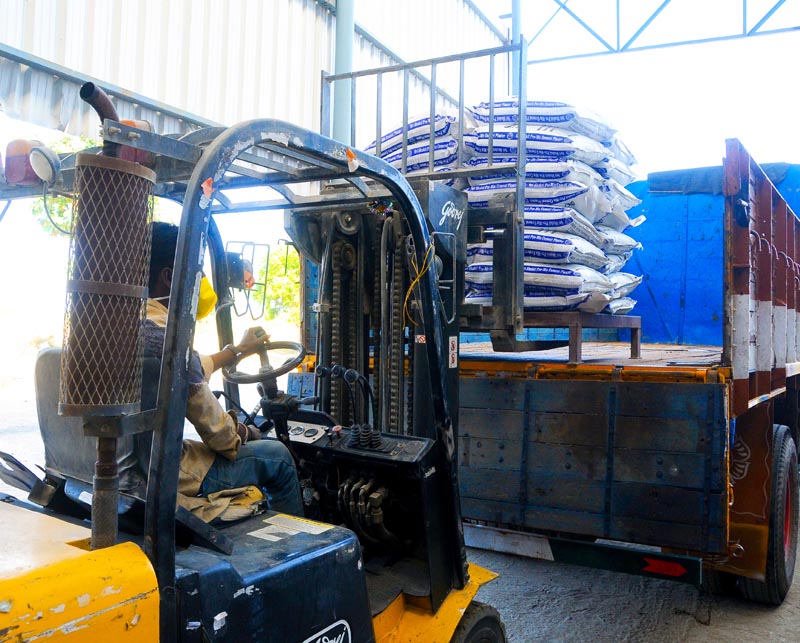
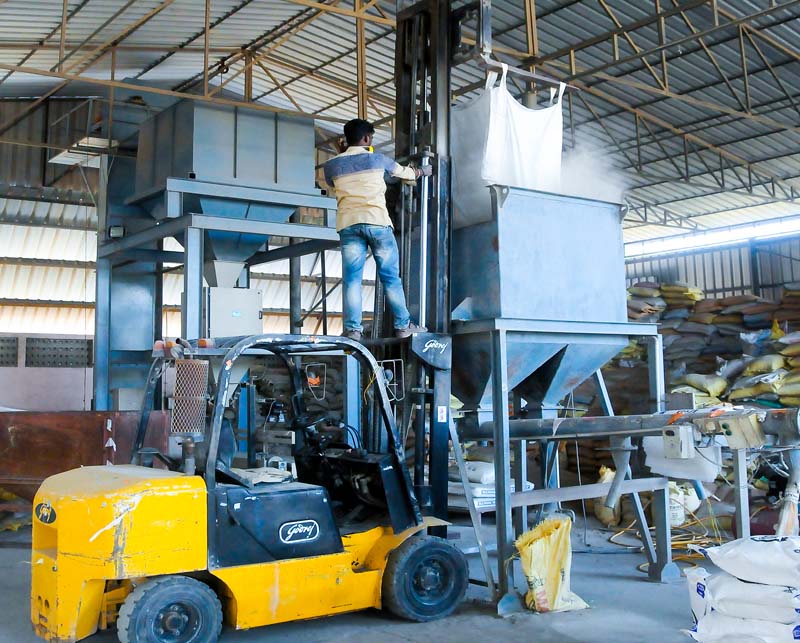
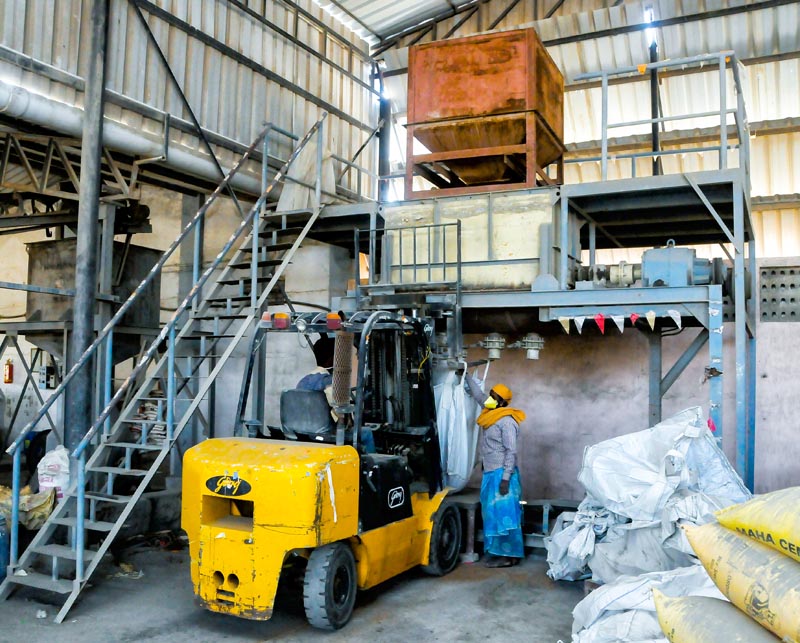
Dry mix manufacturing plant with automated material handling and packaging system

Why Builders Are Rethinking Plastering

Machine Plastering vs Manual Plastering: Cost, Speed & Quality Comparison Introduction: Why Builders Are Rethinking Plastering Methods in India The debate around machine plastering vs manual plastering has become increasingly relevant in India’s construction industry. Rising labor shortages, tighter project timelines, and higher quality expectations have exposed the limitations of traditional plastering methods. For builders, contractors, and developers, plastering is no longer a minor finishing activity—it directly impacts project cost, speed, surface quality, and execution risk. Manual plastering, which depends on on-site mixing and skilled labor, often struggles to deliver consistency at scale. In contrast, machine plastering uses ready-mix plaster and spray application, offering faster execution and predictable outcomes. This article provides a practical, India-specific comparison of machine plastering vs manual plastering, covering cost per sq ft, speed, quality, labor dependency, and suitability for high-rise and large-scale projects. What Is Manual Plastering & How Does It Work? Characteristics & Labor Dependencies Manual plastering involves mixing cement and sand on-site and applying it by hand. Output quality depends heavily on mason skill, supervision, and site conditions. Key characteristics: High dependency on skilled labor Inconsistent mix ratios Slower execution on large projects Higher supervision and rework risk Quality Risks & Inconsistency Issues Manual plastering often results in uneven thickness, surface undulations, and cracks, leading to additional putty work and long-term maintenance issues. What Is Machine Plastering & Key Advantages? Factory-Mixed Consistency Standards Machine plastering uses ready-mix plaster or dry mix mortar, manufactured under controlled factory conditions. This ensures consistent formulation across batches and sites. Spray Application & Speed Benefits The plaster is applied using spray machines, allowing uniform thickness and significantly higher productivity compared to hand application. Which Method Is Cheaper? Complete Cost Analysis Manual Plastering Cost Breakdown Manual plastering appears cheaper initially, but includes hidden costs: Higher labor per sq ft Material wastage from on-site mixing Rework due to surface defects Extended timelines increase overheads. Machine Plastering Cost Structure Machine plastering involves: Slightly higher material cost Lower labor requirement Minimal wastage Faster completion Total Cost of Ownership (TCO) Analysis In India, machine plastering cost per sq ft is often 30–50% lower overall when labor savings, reduced rework, and faster execution are factored in. Market studies indicate growing adoption due to these lifecycle cost advantages. Speed & Productivity: How Much Faster Is Machine Plastering? Manual Plastering Productivity Approx. 70–100 sq ft per mason per day Output varies with labor skill and fatigue. Machine Plastering Productivity Approx. 175-200 sq ft per day per machine Consistent output across floors Is machine plastering faster than manual plastering?Yes. Machine plastering delivers 10–15× higher daily productivity, making it ideal for fast-track and high-rise projects. Quality & Finish: Which Method Performs Better? Manual Plastering Finish Challenges Uneven thickness Higher crack probability Increased dependency on wall putty Machine Plastering Quality Advantages Uniform thickness Better adhesion No cracks Superior base for painting Which plastering method provides better quality finishes?Machine plastering offers superior and consistent quality, especially for premium residential and commercial buildings. Labor Dependency & Execution Risk in Indian Construction Manual Plastering Risks Skilled labor shortages Inconsistent workmanship Project delays Machine Plastering Advantages Fewer workers required Lower skill dependency Predictable productivity Does machine plastering reduce labor dependency? Yes. Machine plastering significantly reduces reliance on skilled labor—an important advantage in India’s current labor market. Manual vs Machine Plastering: Comparison Table Parameter Manual Plastering Machine Plastering Application Hand-applied Spray-applied Material Consistency Variable Factory-controlled Speed Slow Very fast Labor Requirement High Low Finish Quality Skill-dependent Uniform Rework Risk High Minimal   5 Advantages of Machine Plastering for Indian Builders Covers 10–15× more wall area per day Reduces dependency on skilled labor Ensures uniform finish across units Minimizes rework and defects Shortens project timelines by 40–50% Case Study: 50,000 sq ft Commercial Project A commercial office project in South India switched from manual to machine plastering. Results: Timeline reduced by 42% Labor cost reduced by 35% Rework eliminated ROI achieved within 2 months Check our Case study  Conclusion: Which Plastering Method Should You Choose? The choice between machine plastering vs manual plastering is no longer about tradition—it is about cost efficiency, speed, quality, and execution certainty. For large-scale, time-sensitive projects in India, machine plastering using ready-mix plaster delivers clear, measurable advantages. Ready to Implement Machine Plastering?Speak with a plastering specialist to evaluate cost and timeline benefits for your project.

Why Builders Are Rethinking Plastering Read More »

Distributor & Applicator Enquiry Form​

Customer & Distributor Enquiry Form