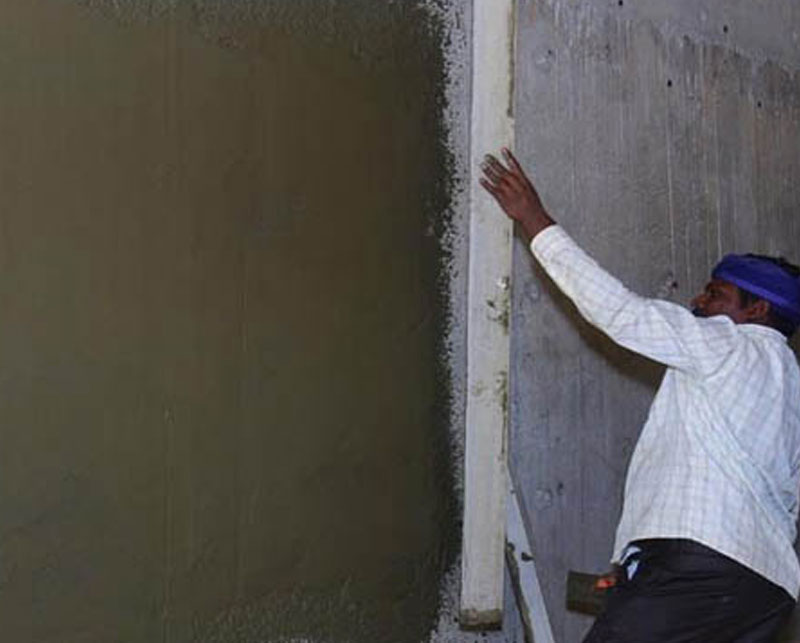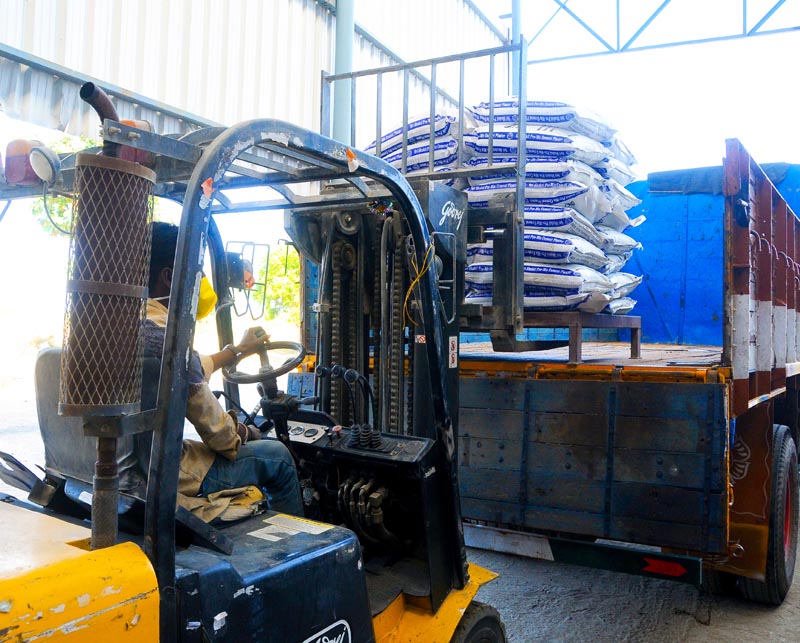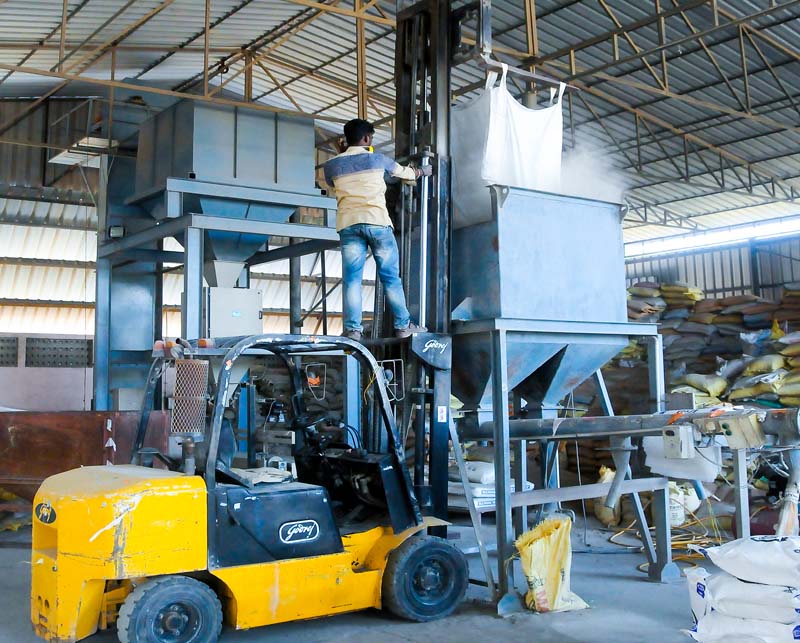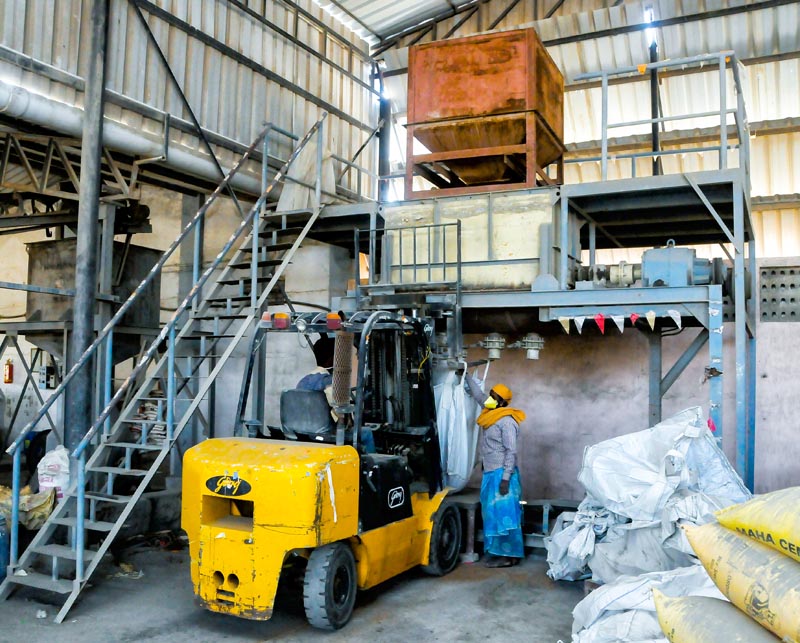

Walk into any kitchen with cement-grouted tiles after two or three years and you’ll usually see the same thing: grout lines gone grey, a faint smell near the sink, maybe a hairline crack where a heavy pan got dropped. None of that is a workmanship problem. It’s cement grout doing exactly what cement grout does — absorbing moisture, staining, and slowly losing its bond. Epoxy exists to fix precisely this category of failure, and understanding where it’s worth the extra cost is more useful than treating it as a blanket upgrade.
What Makes Epoxy Different From Cement-Based Grout
Cement grout hardens through hydration and stays porous at a microscopic level, which is why it absorbs water, oil, and stains over time. Epoxy grout is a completely different chemistry — a resin and hardener that cure through a chemical reaction rather than drying out. That reaction produces a dense, largely non-porous material with far higher compressive strength, better bond to the substrate, and resistance to substances that would eat straight through ordinary cement grout.
The trade-off is straightforward: epoxy costs more per square foot and is less forgiving to apply, since pot life is limited once the components are mixed. That’s exactly why it makes sense to be selective about where it’s used, rather than specifying it everywhere out of habit.
Where Epoxy Earns Its Cost
- Kitchens and food-prep areas: resistant to oil, acidic spills, and repeated scrubbing, without staining the way cement grout does within a year or two.
- Bathrooms and wet areas: near-zero water absorption means no mould growth in grout lines, a common complaint with cement grout in humid climates.
- Swimming pools: constant water exposure and chlorine make epoxy the standard choice over cement grout, which degrades faster under continuous immersion.
- Industrial and commercial floors: high compressive strength and resistance to oils, solvents, and chemical spills make it suitable for factory floors, labs, and processing units.
- Hospitals and hygiene-critical spaces: non-porous, easy to sanitise, and doesn’t harbour bacteria in the grout line the way porous cement grout can.
- Heavy machinery grouting: epoxy grout is also used structurally, to anchor machine bases, crane rails, and equipment foundations where vibration and dynamic loads would crack a cement-based grout over time.
Where Cement Grout Still Makes Sense
Epoxy isn’t the right call everywhere, and a good contractor should say so. For low-traffic residential walls, dry areas, and budget-sensitive projects, cement-based grout is cheaper, easier to apply, and perfectly adequate when there’s no real chemical or moisture exposure to guard against. Specifying epoxy for a bedroom wall or a dry storage room adds cost without solving a problem that exists.
Epoxy vs Cement Grout: A Quick Comparison
Property | Cement Grout | Epoxy Grout |
Water absorption | Porous, absorbs moisture | Near-zero, non-porous |
Chemical resistance | Low, stains and degrades | High, resists oils and acids |
Compressive strength | Moderate | Significantly higher |
Sealing required | Yes, periodically | No |
Best suited for | Dry, low-traffic residential areas | Kitchens, wet areas, industrial floors |
Cost | Lower | Higher upfront, lower lifetime cost in exposed areas |
Application Considerations Worth Knowing
Epoxy grout has a shorter working window than cement grout once mixed, so it needs to be applied by someone familiar with its handling — rushed or over-mixed batches cure unevenly and are difficult to correct after the fact. Surface preparation matters just as much: tiles need to be clean and completely dry before application, since epoxy’s strength depends on a clean chemical bond, not just mechanical filling of the joint. For larger commercial or industrial jobs, it’s worth confirming the product’s pot life, cure time, and chemical resistance data sheet before ordering quantities, since formulations vary meaningfully between manufacturers.
Where Ideal Drymixes Fits In
Ideal Drymixes manufactures Groutmate Epoxy, formulated for exactly the conditions where cement grout typically fails first — kitchens, bathrooms, and commercial spaces that need a joint filler that won’t stain, absorb moisture, or degrade under regular chemical exposure. As part of a broader range of construction chemical and dry mix products out of the company’s Karur, Tamil Nadu facility, it’s built to be specified alongside other high-durability finishes rather than as a one-off product.
Frequently Asked Questions
Is epoxy grout worth it for a home kitchen?
In most cases, yes. Kitchens see oil, acidic spills, and frequent cleaning, all of which stain and degrade cement grout faster than in any other room.
Can epoxy grout be used outdoors?
Yes, epoxy grout handles temperature fluctuations and moisture well, making it suitable for exterior tiled areas, though UV-stable formulations should be checked for exposed applications.
Does epoxy grout need sealing like cement grout?
No. Epoxy grout is non-porous by nature and doesn’t require the periodic sealing that cement-based grout does to resist staining.
Final Word
Epoxy in construction isn’t about using the strongest material everywhere — it’s about matching the material to the exposure the surface will actually face. Wherever moisture, chemicals, or heavy load are a real factor, epoxy pays for itself well before the first repair bill that cement grout would have generated. Everywhere else, there’s no need to overspecify.
To know more about Groutmate Epoxy or other construction chemical solutions, get in touch with Ideal Drymixes through their contact page.