Knock on a plastered AAC wall a year after handover and you may hear it: a flat, hollow thud. The plaster has let go of the block behind it. Hairline cracks usually arrive first, tracing the block joints and the corners where walls meet beams.
AAC (autoclaved aerated concrete) has become the default walling material on many Indian projects, and it has earned that place. It is light, insulating and quick to lay. But it is not clay brick, and the site-mixed sand-cement mortar most crews reach for was never designed around it. Here is what goes wrong, and what to use instead.
Why Cement-Sand Mortar Cracks and Debonds on AAC
The block steals the water
AAC is full of microscopic air cells, so its surface absorbs water fast. Put a wet cement-sand mix on a dry block and the block drinks from the mortar before the cement has hydrated properly. What is left at the interface is a thin, weak, powdery layer. Soaking the block to avoid this creates the opposite problem: a saturated surface that shrinks as it dries and pushes the plaster away.
Stiff mortar on a soft base
Cement-rich mortar is dense, stiff and shrinks as it cures. AAC is light and comparatively weak. The plaster tries to contract, the block cannot hold it back, and the stress finds the easiest path, which is the bond line. Debonding comes first. Cracks follow.
Joints and junctions take the strain
Thick sand-cement bed joints behave differently from the blocks around them, and cracks often trace them. The bigger trouble spot is where AAC meets RCC. Beams and columns move at a different rate from the masonry, so that junction becomes a predictable crack line unless it is reinforced.
Site mixing adds variability
Silty sand, a bucket of water more or less, a different gang on a different floor. None of it looks serious alone. Across a whole tower, the inconsistency shows up as patchy bond and uneven cracking.
What to Use Instead: Polymer-Modified Ready-Mix Plaster
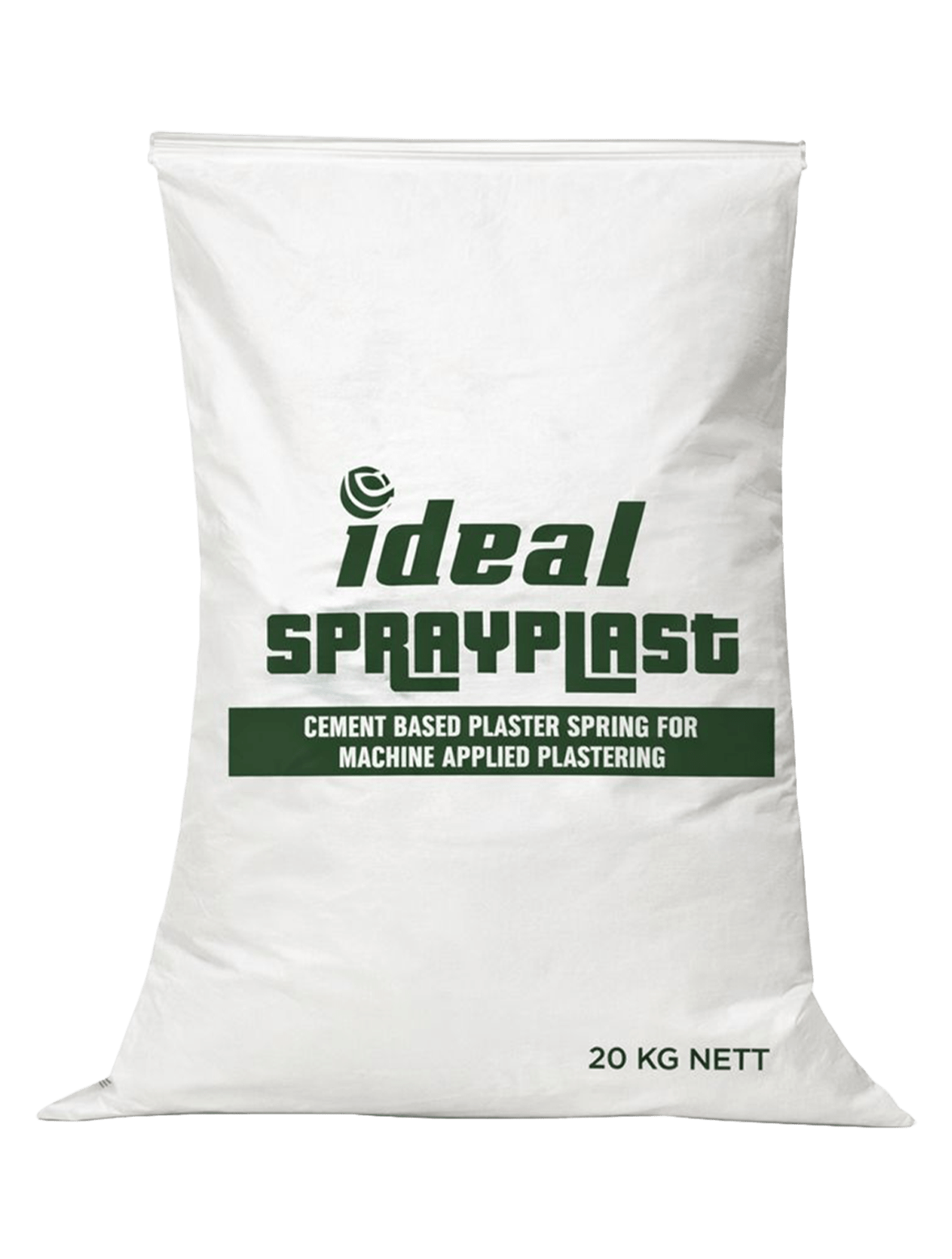
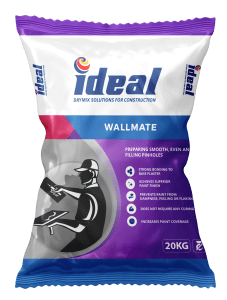
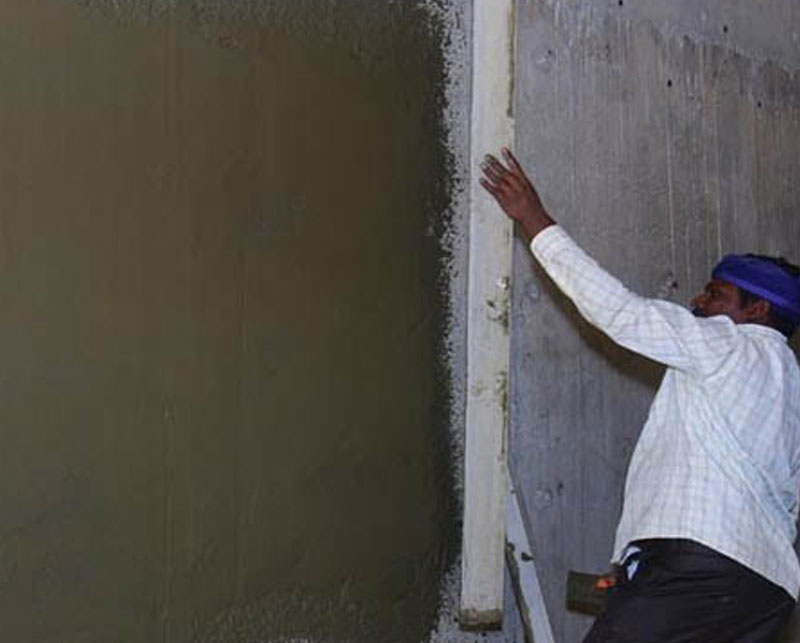
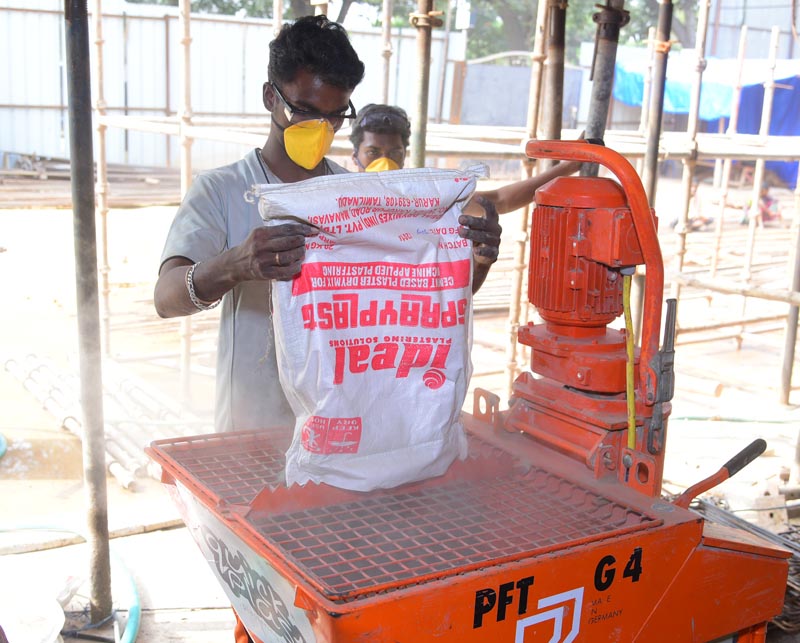
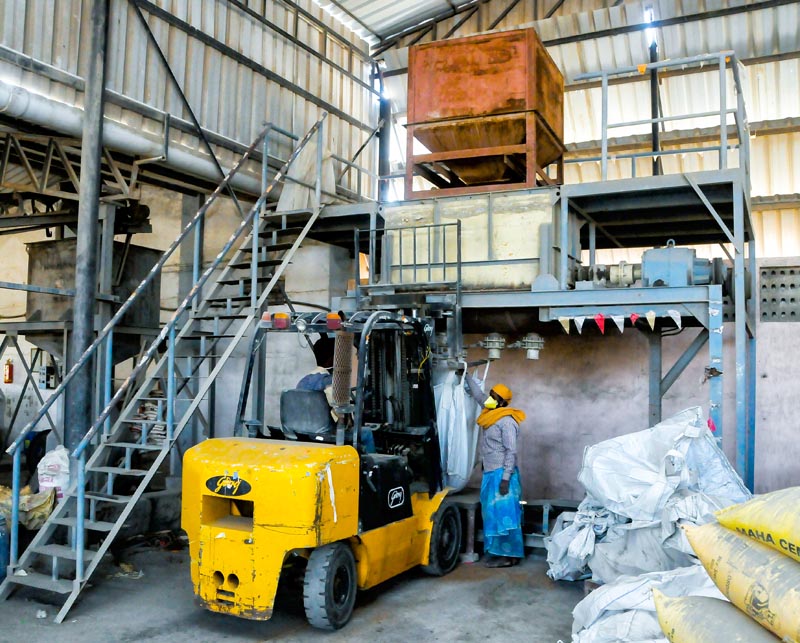
A factory-made dry mix removes most of these problems at the source. Graded sand and measured cement take the guesswork out, and additives help the mortar keep its water instead of surrendering it to the block. On site you add clean water and nothing else.
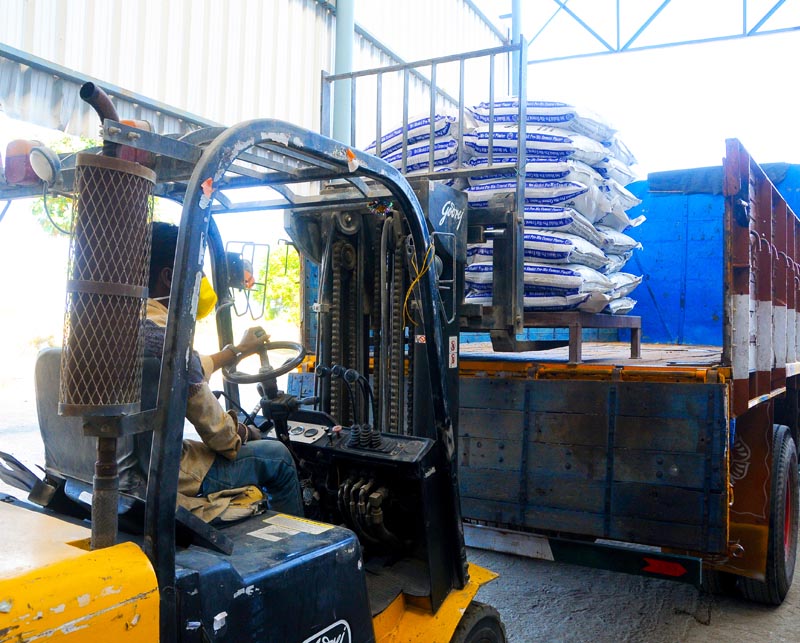
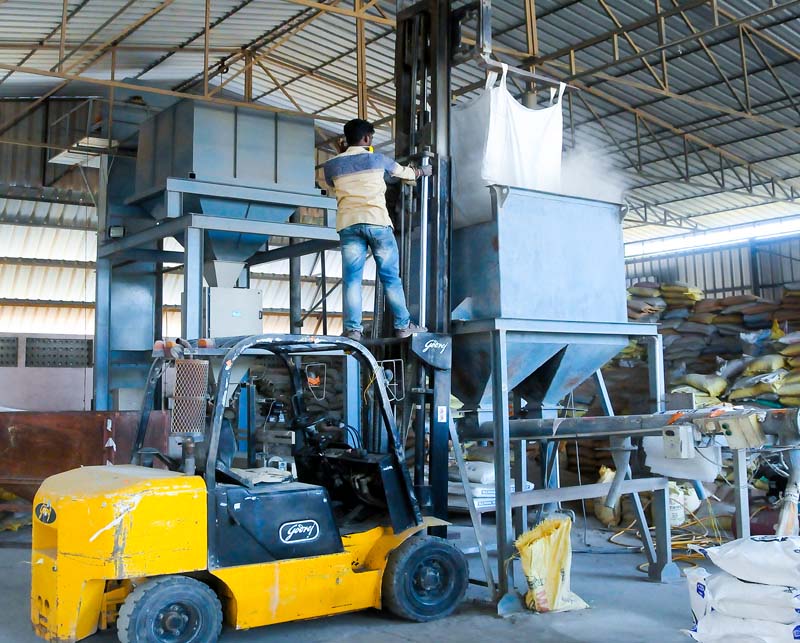
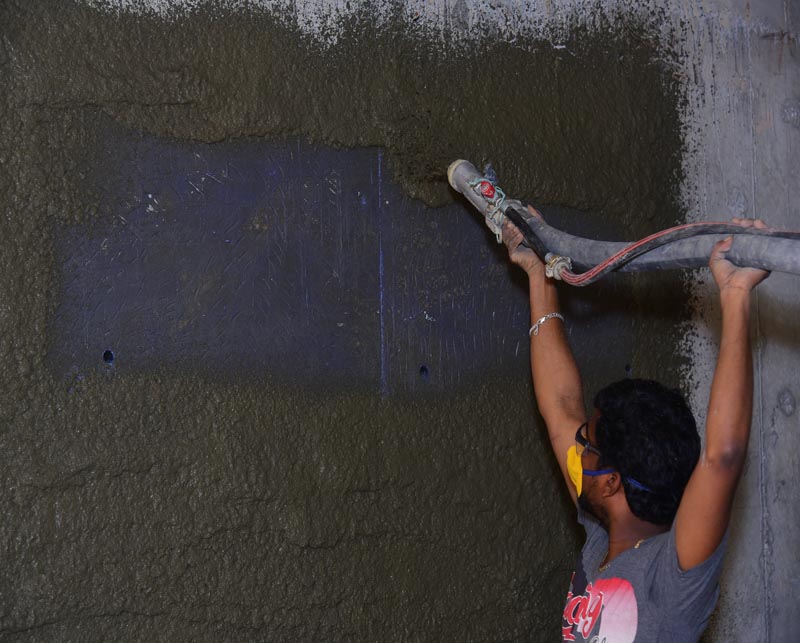
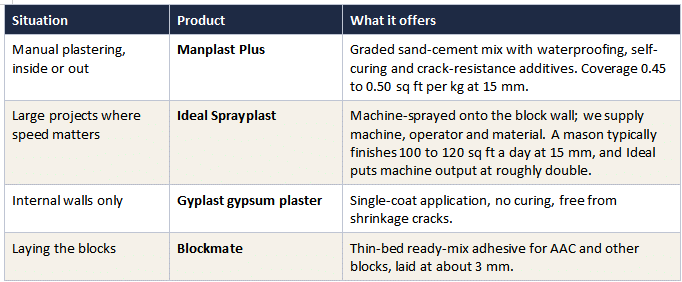
Ideal Drymixes has manufactured in Karur since 2009 and is ISO 9001 certified. Our range covers each way of working:
Application Checklist for AAC Walls
- Lay blocks with thin-bed adhesive and keep joints full and even.
- Brush off dust, loose particles and mortar fins.
- Dampen the surface lightly. It should look cool and slightly dark, never wet.
- Embed alkali-resistant fibreglass mesh, roughly 100 to 150 mm wide, across every RCC-AAC junction and over filled service chases.
- Stay within the thickness on the product data sheet. If you need more depth, build it in coats rather than one heavy pass.
- Use only the specified water and finish each batch within its working time. Never re-temper a stiffening mix.
- Shield fresh plaster from direct sun and wind, even with a self-curing mix, and let it dry fully before putty and paint.
Already seeing hollow patches or cracks? Cut the loose plaster back to a sound edge and repair with Fixit Mortar. Crackmate fills static cracks up to 10 mm wide and 7 mm deep. A crack that keeps moving needs its cause found first.
Frequently Asked Questions
Can I plaster directly on AAC blocks?
Yes, with the right plaster, light dampening to control suction, and mesh at the junctions. Follow the data sheet for any bonding coat recommended for your block.
Which plaster is best for AAC blocks?
A polymer-modified ready-mix plaster, or gypsum on internal walls. Both avoid site-mix variability.
Why does AAC plaster sound hollow?
The bond has failed, usually from water loss into the block, shrinkage or excess thickness.