From Walls to Floors to Ceilings — Why Top Builders Are Switching to a Single Dry Mix Brand for the Entire Project
Ask a site engineer how many material brands touch a single flat before handover — plaster from one supplier, putty from another, tile adhesive from a third, block jointing compound from whoever quoted lowest that month — and most won’t have a clean answer. That fragmentation used to be normal. On well-run projects in 2026, it’s increasingly treated as a risk, not a procurement strategy.
The Real Cost of Multi-Brand Sourcing
Industry analysis of single-source supply relationships is consistent on this point: the cheapest per-bag price rarely translates into the lowest total project cost once coordination time, quality variation between suppliers, and delivery complications are factored in. Multiple vendors mean multiple points of contact, multiple delivery schedules to track, and — most critically for a builder — multiple formulations that were never engineered to work together.
Compatibility problems are the part that costs the most and shows up the latest. A wall putty from one manufacturer may not bond cleanly to a plaster from another; a tile adhesive optimised for one brand’s grout may behave differently with a different chemistry underneath it. None of this appears at the quality-check stage. It appears eight months after handover, as cracking, delamination or hollow tiles — and by then, tracing the fault back to a specific supplier is nearly impossible because three different companies can each point at the other two.
What Standardising on One Brand Actually Fixes
● Quality consistency — A single manufacturer producing plaster, putty, tile adhesive and block jointing compound formulates them to work as one connected system, not as separately sourced products that happen to sit next to each other on a wall.
● Fewer variables to troubleshoot — When a defect shows up, there’s one technical team to call and one production process to audit, instead of three suppliers each disclaiming responsibility.
● Administrative efficiency — One point of contact for ordering, delivery scheduling and problem resolution meaningfully cuts the coordination overhead that eats into a site team’s time on a multi-vendor setup.
● Better technical support — A supplier who sees the full picture of a project — walls, floors and ceilings — can advise on sequencing and compatibility in a way that a single-product vendor never will.
Why This Matters More for Dry Mix Than for Most Materials
Dry mix products are precision-engineered blends of cement, aggregates and performance additives like HPMC and redispersible polymer powder, calibrated in the factory rather than mixed by eye on-site. That precision is exactly why switching brands mid-project causes more damage than switching, say, a paint colour: two dry mix products can look identical in the bag and still cure, bond and flex completely differently, because their additive dosing was never designed with each other in mind.
This is also where the labour case for standardisation is strongest. Factory-calibrated dry mix mortar is already known to cut on-site measuring errors and reduce associated labour time meaningfully compared with traditional site-batched mixing. Multiply that saving across a project running plaster, putty, tile adhesive and block compound from a single, consistent source, and the cumulative time and rework savings compound well beyond what any single product line delivers alone.
How Ideal Drymixes Covers the Full Build
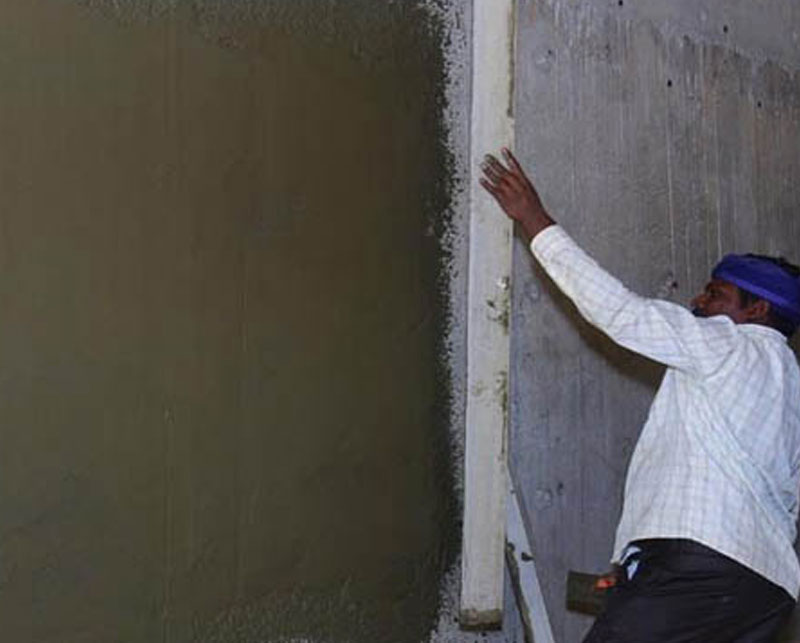
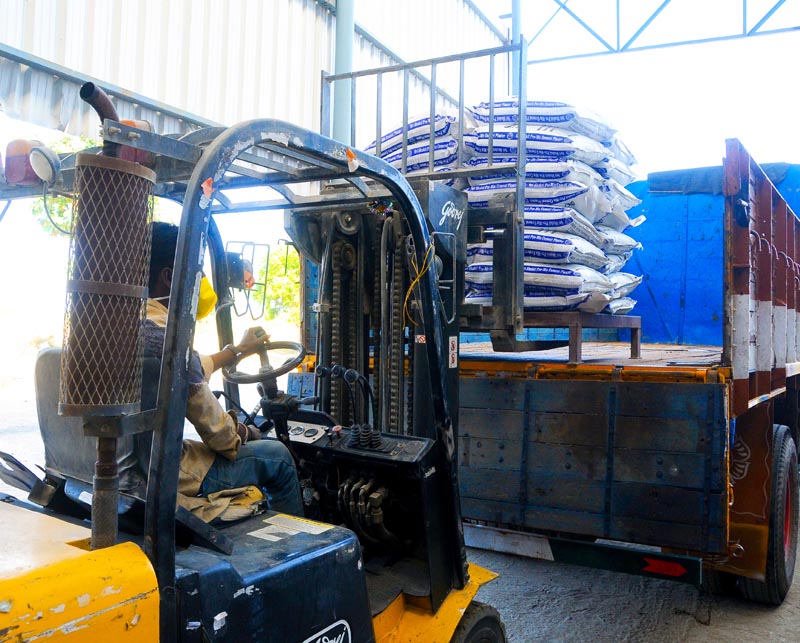
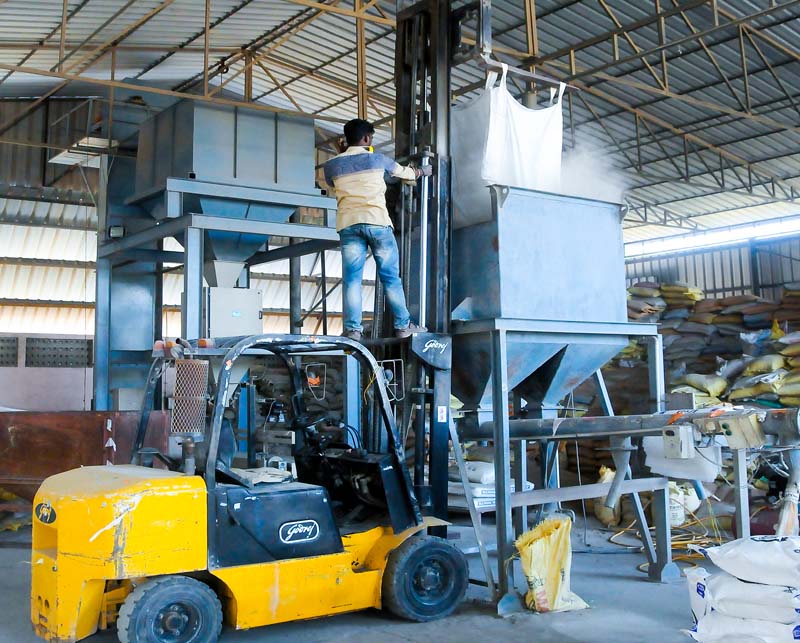
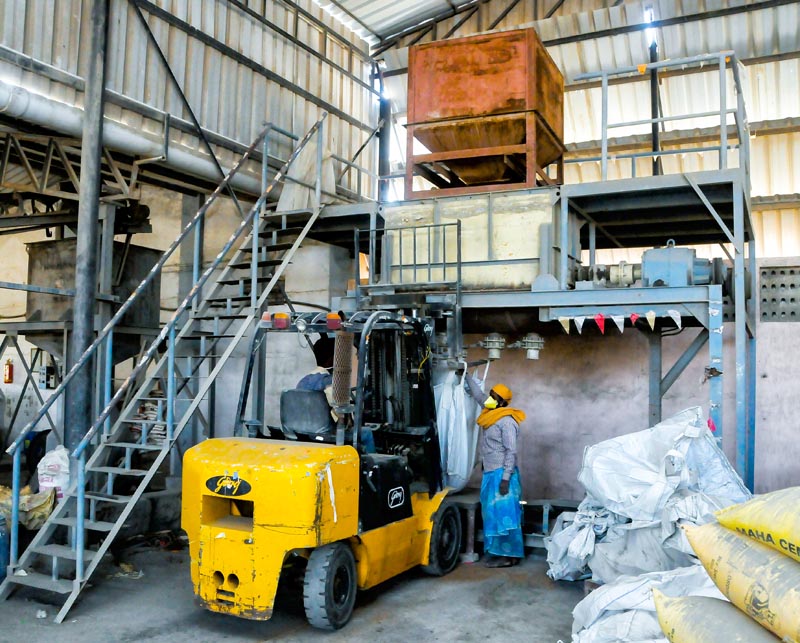
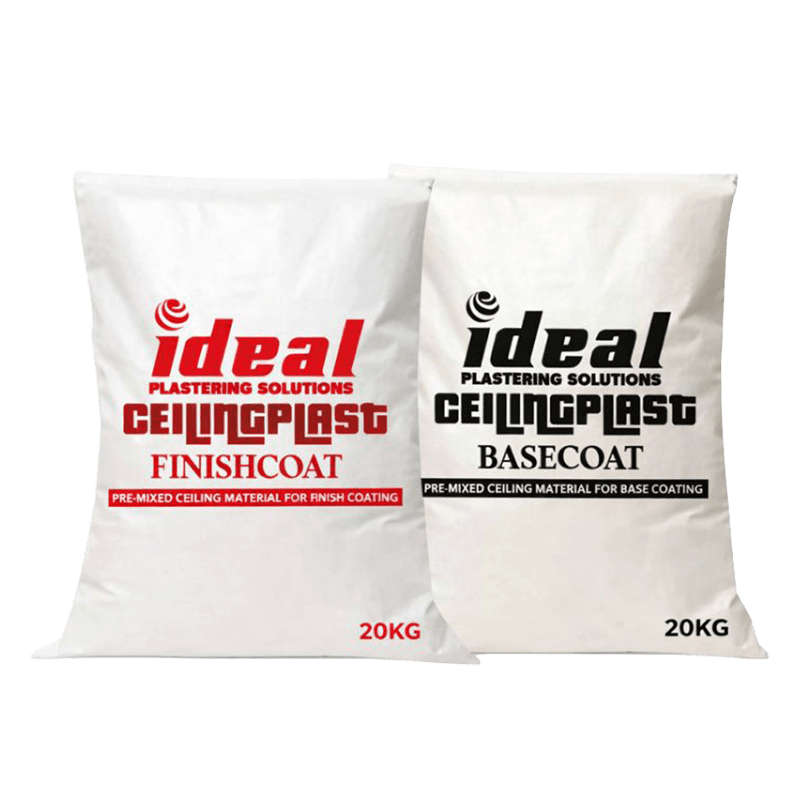
Ideal Drymixes manufactures ready mix plaster for machine and manual application, wall putty, tile adhesives and block laying compounds from a single facility in Karur, Tamil Nadu — formulated as a connected system rather than as isolated products. For a builder running walls, floors and ceilings under one project timeline, that means the plaster a wall gets and the adhesive a floor tile gets were engineered with the same technical standards and by the same production process, not sourced from whichever supplier happened to quote lowest that quarter.
It also means one technical team that understands the full specification of the build, not three vendors who each only see their own product in isolation.
The Standardisation Decision Builders Are Making Now
As multi-unit and multi-phase projects get larger and defect-liability scrutiny gets sharper, the builders protecting their margins and their reputations are the ones treating material sourcing as a system decision made once at project planning, not a series of separate purchase orders made room by room. From walls to floors to ceilings, a single dry mix brand isn’t a convenience — it’s a quality control strategy that pays off long after the ribbon-cutting.