SprayPlast Technology in India: Faster Wall Finishing with Superior Surface Quality
Anyone who has managed a construction site in an Indian city knows the plastering stage rarely goes to plan. Masons are booked weeks in advance, hairline cracks show up months after handover, and a floor that should take three days can stretch into a week when labour is short. Spray plaster technology is changing that equation. Machine-applied, ready-mix systems like IDEAL SprayPlast are giving contractors a faster, more consistent way to finish walls, and it’s worth understanding how the process actually works before you specify it on your next project.
What Is SprayPlast Technology?
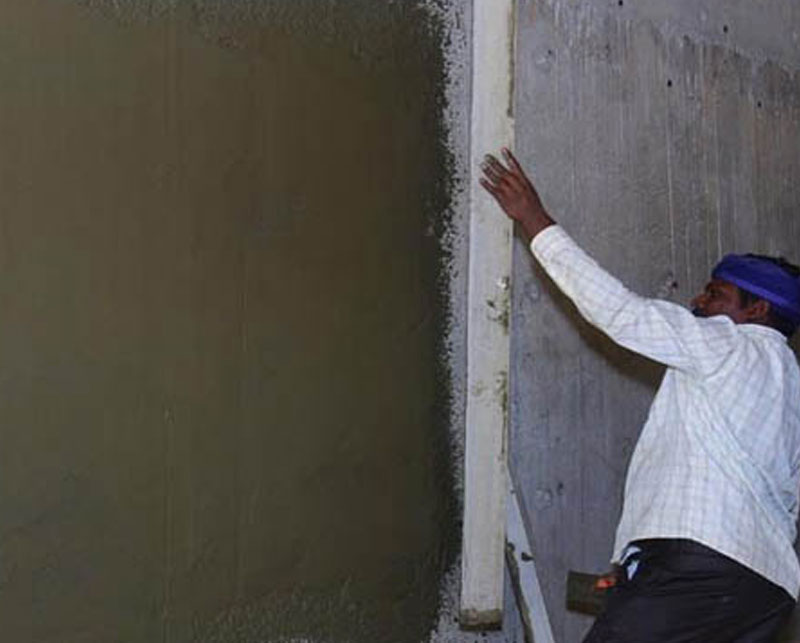
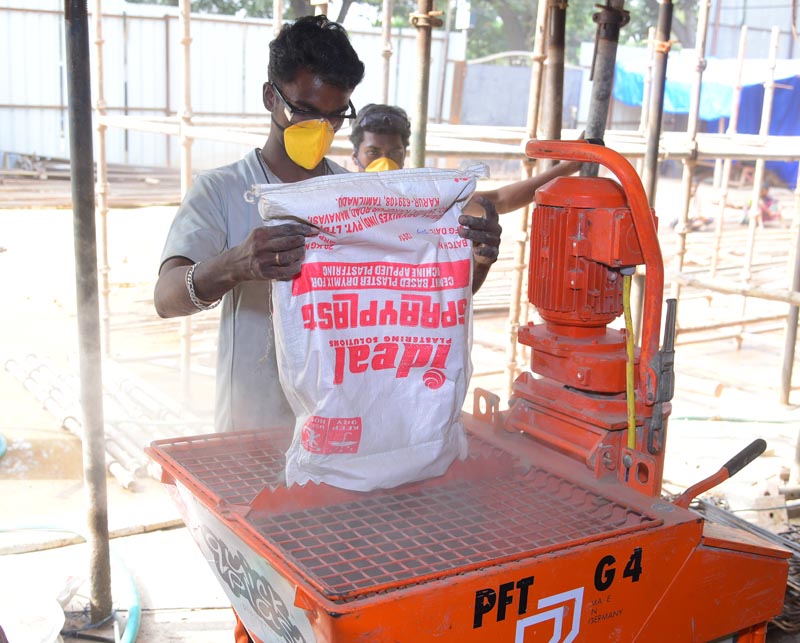
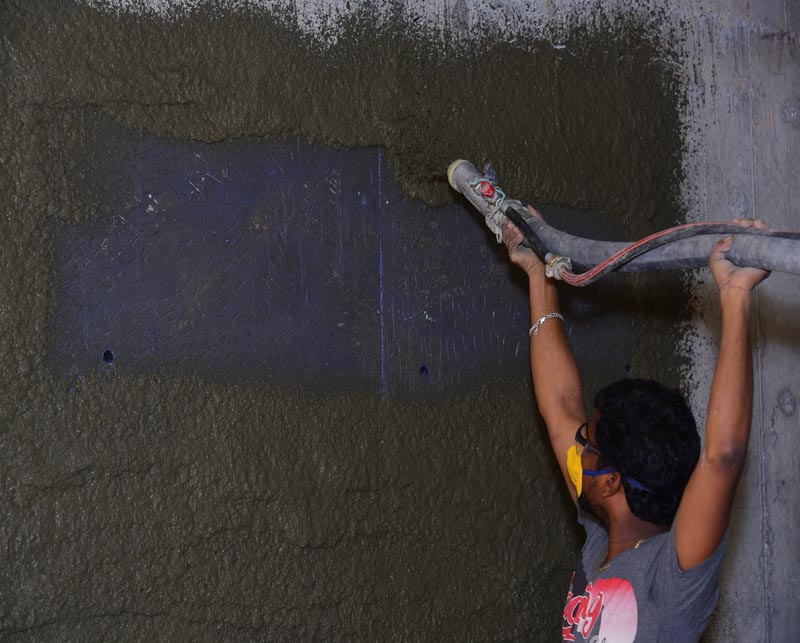
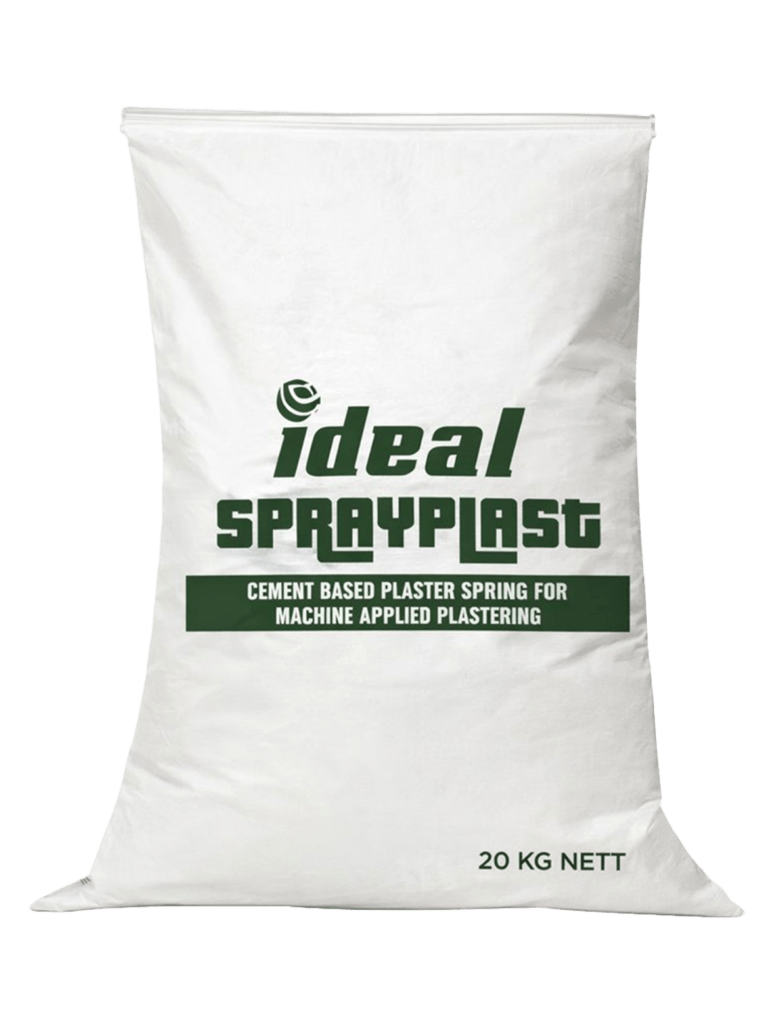
SprayPlast is a ready-mix, polymer-modified plaster formulated specifically for machine application. Instead of a mason hand-mixing cement and sand on site, the pre-blended mortar is loaded into a plastering machine and pumped through a hose to a spray gun. The operator applies an even coat directly onto the block or brick wall, and a mechanical trowel or hand float levels the surface to the required thickness. Because the mix is factory-controlled, every batch has the same sand grading, water ratio, and additive content — something that’s difficult to guarantee when mortar is prepared by hand on an active site.
Why Machine Plastering Is Gaining Ground in India
India’s construction sector has been under pressure from two directions: rising labour costs and shrinking project timelines. Machine plastering addresses both.
● Speed: A single machine and a two-person crew can plaster roughly double the area a traditional mason team covers in the same shift, cutting overall handover time significantly.
● Labour efficiency: Fewer skilled masons are needed per square foot, which matters in cities where experienced plastering labour is increasingly hard to source.
● Consistency: Machine spraying keeps thickness and mix quality uniform across a wall, reducing the patchy texture that comes from manual application.
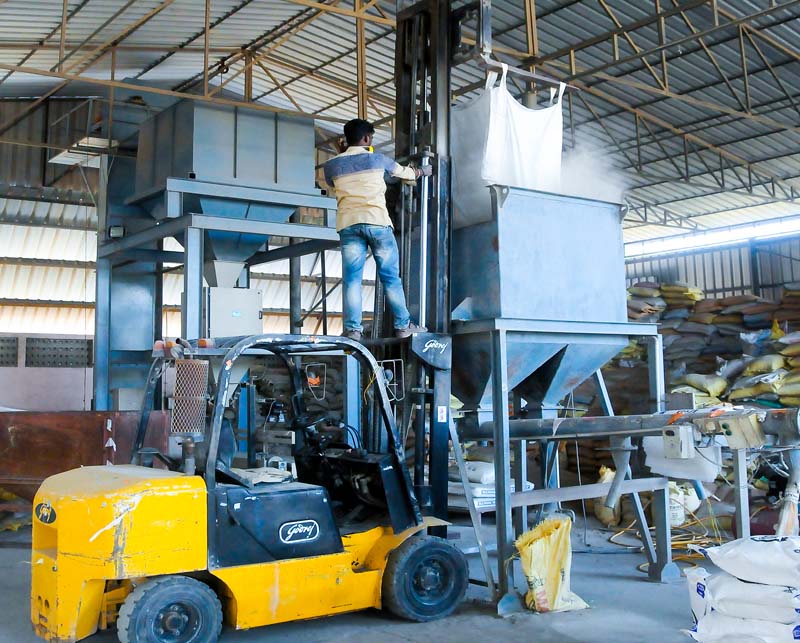
● Reduced wastage: Ready-mix bags are dosed at the factory, so there’s less over-ordering of cement and sand, and less material lost to inconsistent site mixing.
How SprayPlast Compares to Traditional Cement Plastering
Conventional plastering depends heavily on the skill of the individual mason — sand quality, water content, and curing all vary from wall to wall. SprayPlast’s factory-controlled formulation removes much of that variability. The polymer modification also improves bond strength to the block surface, which is one reason spray-applied plaster tends to resist the fine cracking that shows up on conventionally plastered walls after a monsoon season or two. The finish coat can be levelled with a mechanical trowel for a smoother base, which reduces the amount of putty needed before painting.
Where SprayPlast Fits on a Project
Spray plaster technology works on both internal and external walls. Internally, it creates a smooth, paint-ready base on block or brick walls and ceilings. Externally, it can be used for both the base coat and finishing coat, offering better resistance to weathering on exposed elevations. It’s especially useful on large-format projects — apartment blocks, gated communities, commercial buildings — where hundreds of thousands of square feet need to be plastered on a fixed schedule and manual crews simply can’t keep pace.
What to Check Before Choosing a Spray Plaster System
Not every ready-mix plaster is engineered the same way, so a few questions are worth asking a supplier before you commit a project to machine application.
● Is the mortar specifically formulated for spray application, or is it a general-purpose plaster being pumped through a machine?
● What’s the manufacturer’s stated coverage rate and recommended thickness range?
● Does the mix include crack-resistant additives, and is there field data or case studies to support that claim?
● Is technical support available for machine calibration and operator training on site?
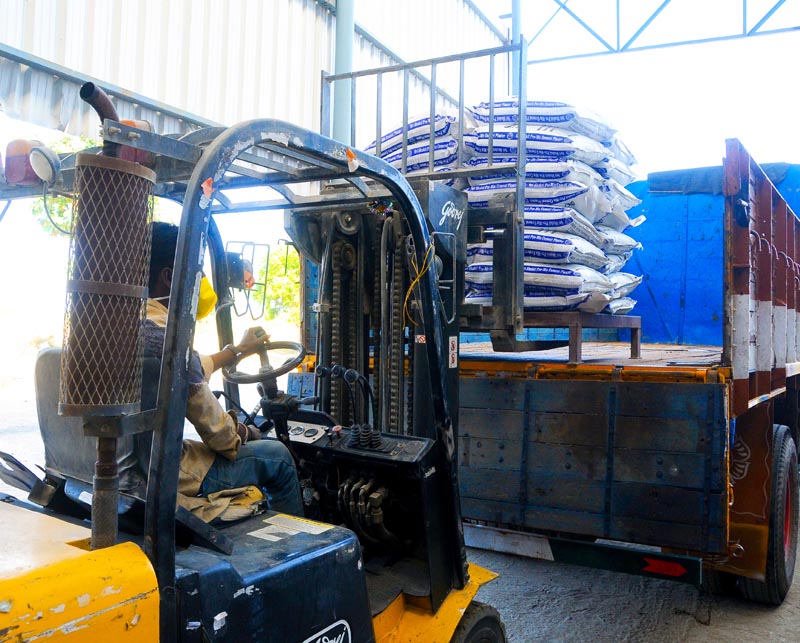
● How is the product packaged and stored, and what’s its shelf life in humid site conditions?
These questions matter because the biggest performance differences between spray plaster brands usually show up months after application — in how well the surface resists cracking, flaking, and moisture — not on day one.
The Practical Upside for Builders and Contractors
For a contractor juggling multiple sites, the appeal of spray plaster technology isn’t just speed — it’s predictability. A machine-applied system means project managers can forecast plastering timelines with more confidence, quality is less dependent on which mason crew shows up that week, and rework due to poor finishing drops. On tight-margin projects, that predictability often matters as much as the raw time saved.
Final Thoughts
Spray plaster technology has moved from a niche technique to a mainstream option for Indian construction, driven by genuine labour and timeline pressures rather than novelty. Products like IDEAL SprayPlast are built specifically for machine application, which is what separates a purpose-engineered spray plaster from ordinary mortar pumped through a hose. For builders evaluating faster ways to close out the plastering stage without compromising surface quality, it’s a technology worth piloting on the next block or two before rolling it out across a full site.