
The Apartment Handover Crisis — Why Homebuyers Are Rejecting Flats and What Builders Can Do About It
Handover day used to be a formality. A buyer signed papers, collected keys, and moved in. That’s no longer how it works. Across Bengaluru, Hyderabad and other major markets, buyers now walk into possession with a written snag list, a phone full of timestamped photographs, and a working knowledge of their RERA rights. Builders who treat handover as a paperwork step are getting caught out — and it’s costing them far more than a quick repair visit.
What’s Actually Changed at Handover
The modern flat inspection isn’t a walk-through anymore. Buyers are documenting seepage, cracks, plumbing faults and finishing defects room by room, often with a hired civil engineer or independent inspector carrying moisture meters and thermal cameras. That documented list is what carries legal weight — not a verbal complaint. Once it’s handed to the builder’s site team, it becomes the baseline record against which every future defect claim gets measured.
Under RERA, builders are on the hook for structural and workmanship defects for five years after possession, at no cost to the buyer. That single clause has changed buyer behaviour completely. Homebuyers who once accepted hairline cracks or a rough wall finish as normal now know they don’t have to — and they’re refusing to sign off until the punch list is cleared.
Where Rejections Actually Happen
Snagging inspections consistently flag the same handful of problem zones: seepage and dampness, wall and ceiling cracks, uneven plastering, tile and grout failures, and paint that’s already peeling or flaking within months of application. None of these are exotic defects. They’re finishing-stage failures — the layer of work that happens after the structure is sound but before the flat looks and feels move-in ready.
This is the frustrating part for builders: the concrete frame is usually fine. What’s failing inspection, and triggering rejection, is almost always the plaster, putty and surface-preparation stage — the part of the build that’s most often rushed to hit a possession date, and the part buyers now scrutinise hardest.
Why Finishing-Stage Materials Are the Real Risk Point
A wall that cracks within the first monsoon after handover isn’t usually a structural problem — it’s a bonding and curing problem. Hand-mixed site plaster and inconsistent putty application are the most common causes of the hairline cracking, dampness patches and uneven finish that show up on almost every rejected snag list. And because these are the exact defects RERA’s five-year liability window covers, a shortcut taken at finishing stage doesn’t just risk one rejected handover — it creates a repair obligation that follows the builder for years.
- Cracking and surface unevenness — usually traced to inconsistent site-mixed plaster rather than a structural issue.
- Dampness and seepage patches — often linked to poor substrate preparation before waterproofing or paint is applied.
- Peeling or flaking paint — almost always a sign the putty layer beneath didn’t bond properly to the plaster.
- Tile and grout defects — frequently caused by adhesive that wasn’t suited to the substrate or the load the area sees.
What Builders Can Standardise to Cut Rejections
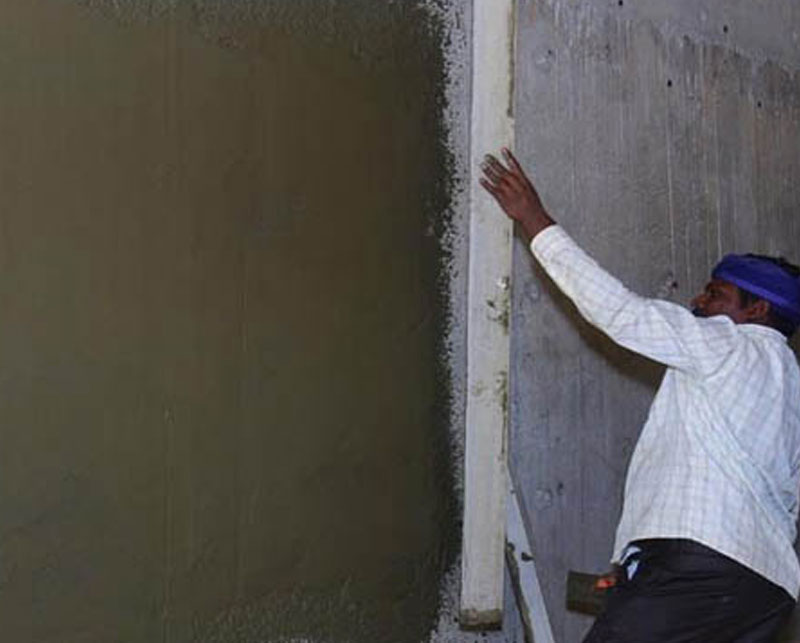
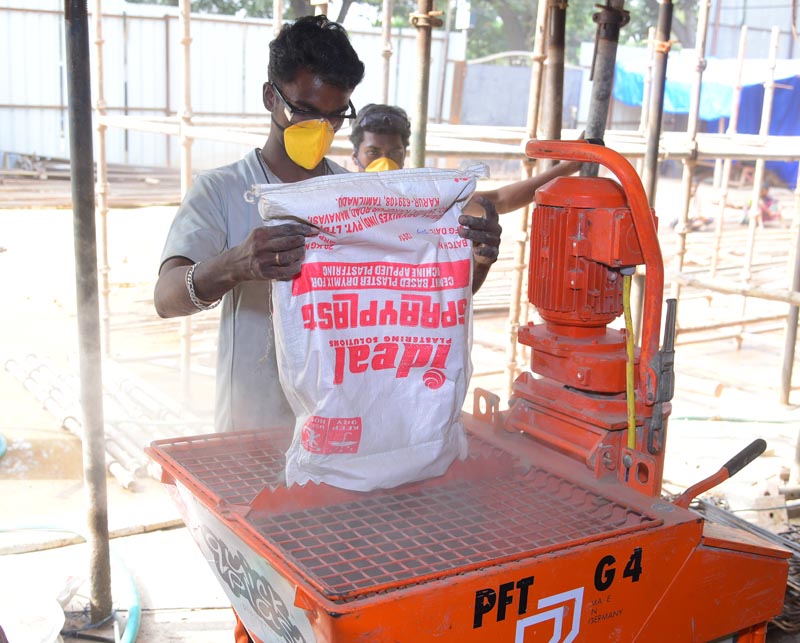
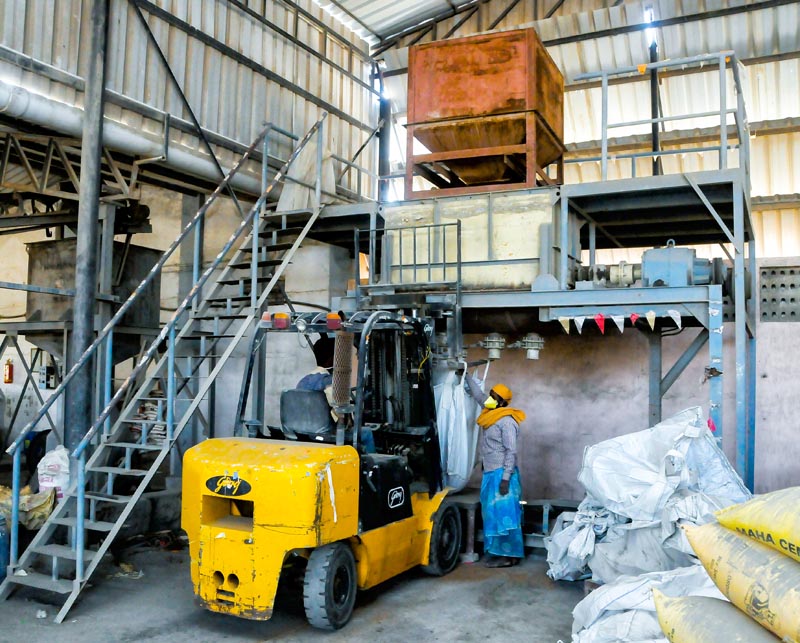
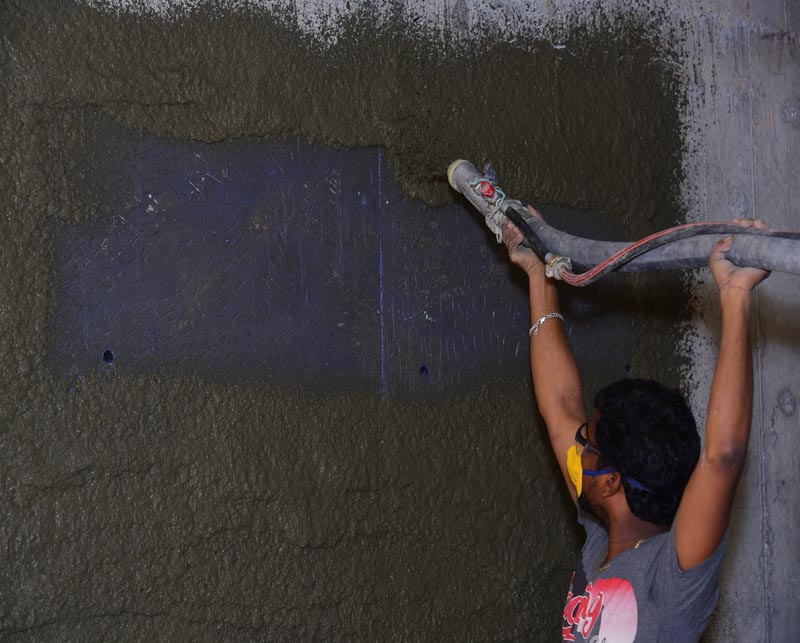
The fix isn’t a longer inspection checklist on the buyer’s side — it’s tighter material consistency on the builder’s side, applied before the buyer ever walks in with a snag list. Machine-applied ready mix plaster removes the batch-to-batch variability that hand-mixed mortar introduces across a project, which matters enormously when a builder is handing over 40 or 100 units in the same possession cycle. A properly formulated wall putty that bonds reliably regardless of which site team applies it protects against the peeling and flaking that shows up months after handover, well inside the defect liability period.
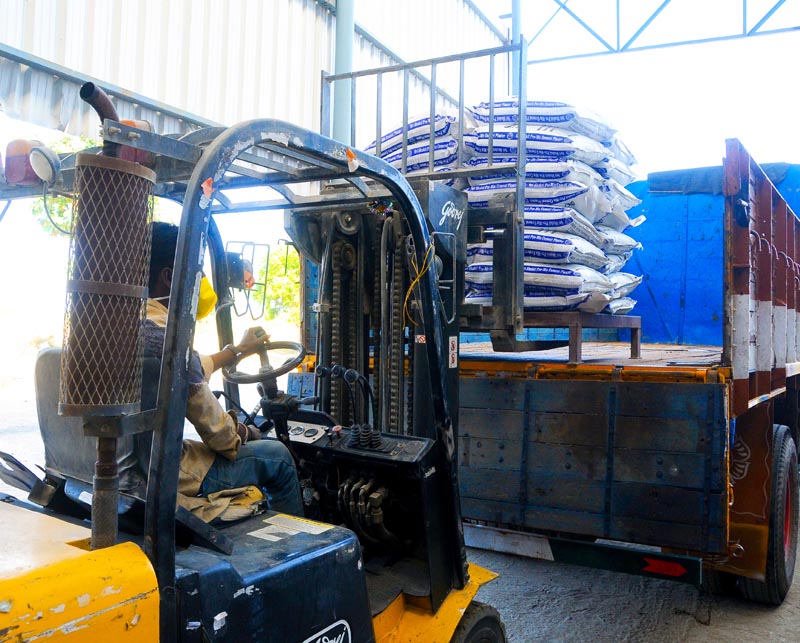
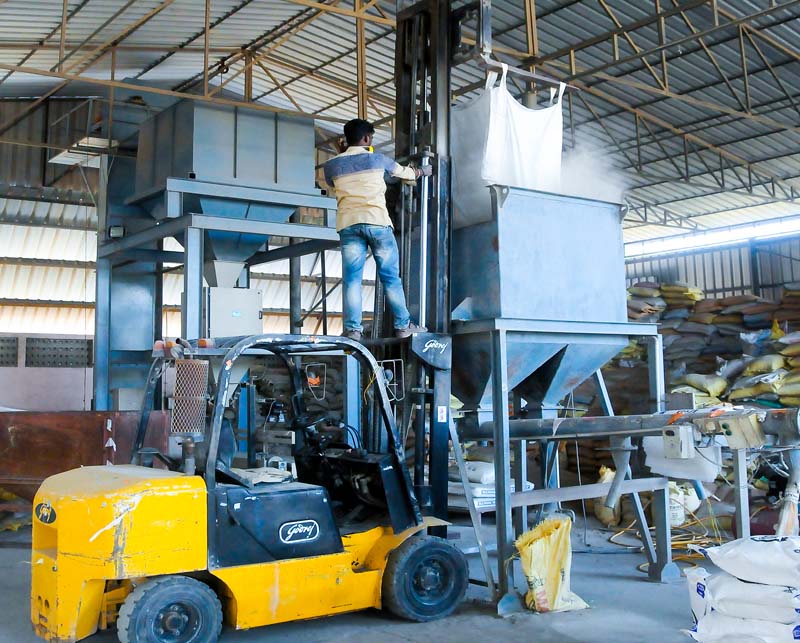
This is precisely where Ideal Drymixes has built its reputation over more than a decade, manufacturing ready mix plaster, wall putty, tile adhesives and block laying compounds from Karur, Tamil Nadu. Our products are formulated for consistent, on-site performance — mixed with water and applied directly, without the variability that turns one rushed finishing crew into a builder’s five-year liability. For developers handing over large residential projects, that consistency is what keeps snag lists short and possession dates from turning into legal correspondence.
The Bottom Line for 2026 Handovers
Buyers are not going to stop bringing snag lists, moisture meters and RERA knowledge to possession day — if anything, that scrutiny is only going to get sharper. The builders who avoid rejected handovers and repeat defect claims are the ones treating plaster, putty and adhesive quality as seriously as they treat the structural frame. That decision gets made months before possession day, not on it.