
India's Smart City Mission Is Accelerating — Are Contractors Using the Right Materials to Keep Up?
The original Smart Cities Mission formally wound down in March 2025, but the construction pipeline it built hasn’t slowed down — it’s changed shape. Between AMRUT 2.0’s coverage of 500-plus cities and a fresh wave of state-level tenders worth over ₹1.64 lakh crore across 8,000 contracts, contractors now face a different problem than they did five years ago: more work, tighter specifications, and far less tolerance for materials that don’t perform.
The Pipeline Has Shifted, Not Shrunk
Smart road construction, EV charging infrastructure, non-motorised transport lanes and bus rapid transit upgrades are driving a large share of current tenders. Underneath the technology layer — sensors, GIS mapping, digital permission systems — sits an enormous amount of plain civil work: retrofitted roads, new pedestrian infrastructure, affordable housing blocks, flyovers and drainage systems. States like Uttar Pradesh have already drawn down their full smart-city allocations, which means the next phase of spending is landing on execution, not planning.
For contractors, this shift matters. Planning-stage tenders reward design consultants. Execution-stage tenders reward whoever can deliver consistent quality across dozens of sites without inflating cost or timeline. That’s a materials problem as much as a manpower one.
Where Material Choices Quietly Decide Project Outcomes
Smart city contracts increasingly bundle city-wide retrofitting — hundreds of buildings, footpaths and public structures finished under one tender, often with defect-liability periods attached. A material that performs inconsistently across sites doesn’t just cause rework on one building; it puts the entire contract’s penalty clauses at risk.
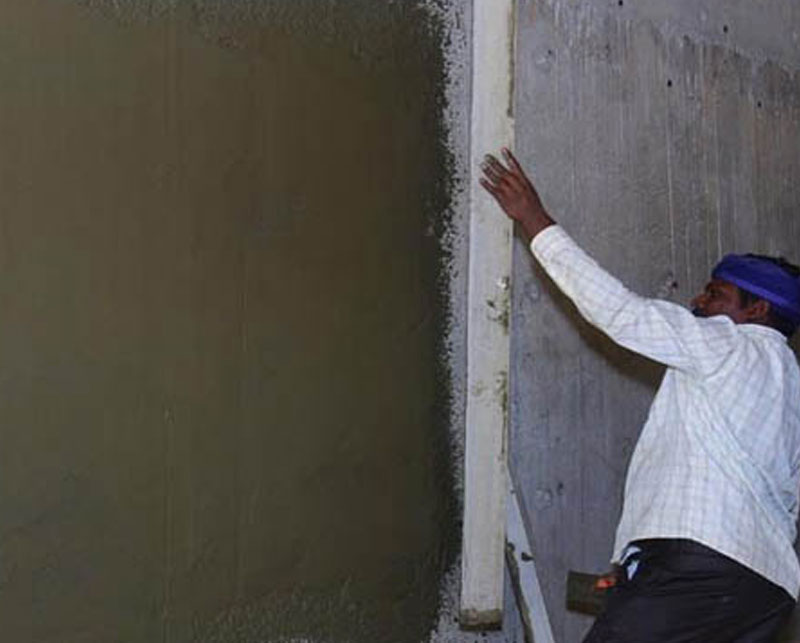
This is where hand-mixed, site-batched plaster and putty create real exposure. Site conditions vary — water quality, sand grading, mixing consistency — and so does the finish. On a single villa, that might mean a callback. Across a 70-building affordable housing package under a smart city tender, it means variance that inspectors will flag and clients will dispute.
What Contractors Bidding on These Projects Should Standardise
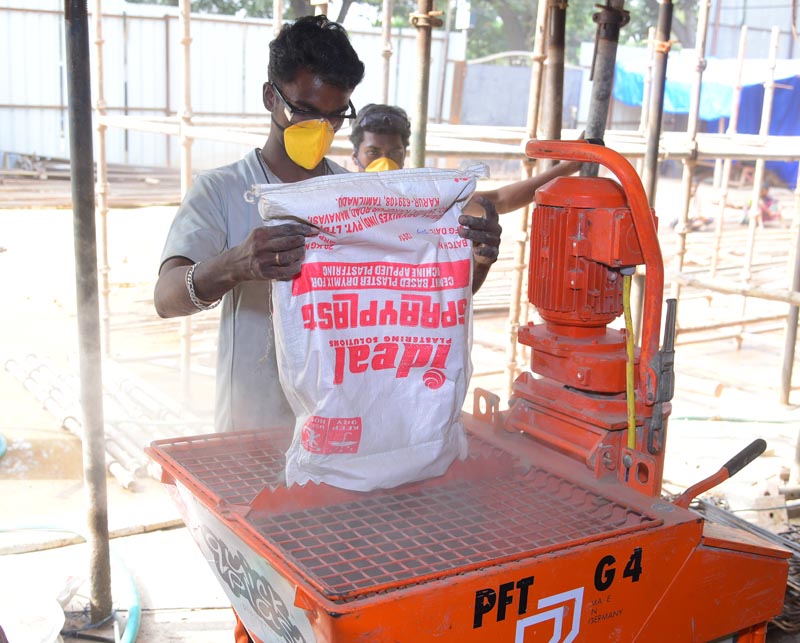
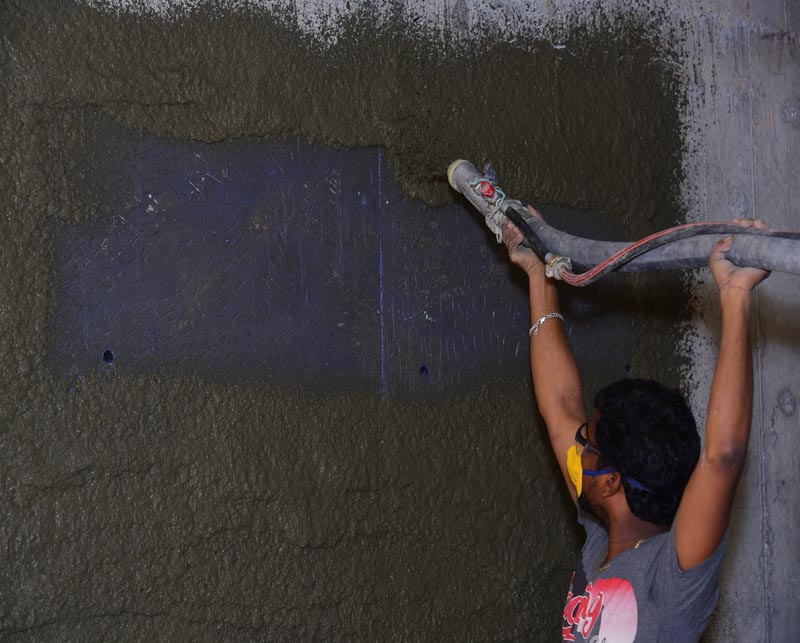
- Machine-applied dry-mix plaster — Factory-controlled binder and additive ratios remove the site-to-site variability that hand-mixed mortar introduces, which matters when one contract covers multiple locations.
- Bag-consistent wall putty — A putty that bonds and finishes the same way on batch 1 as it does on batch 40 protects both the schedule and the defect-liability period that most public contracts now carry.
- Tile adhesive rated for external and high-traffic zones — Smart city footpaths, plazas and transit infrastructure need adhesives that hold through monsoon cycles and heavy foot or vehicle load, not just interior-grade formulations.
- Documentation-ready product data — Public tenders increasingly ask for material specification sheets at the bidding stage itself, so contractors working with manufacturers who can supply this quickly have a real edge.
Where Ideal Drymixes Fits In
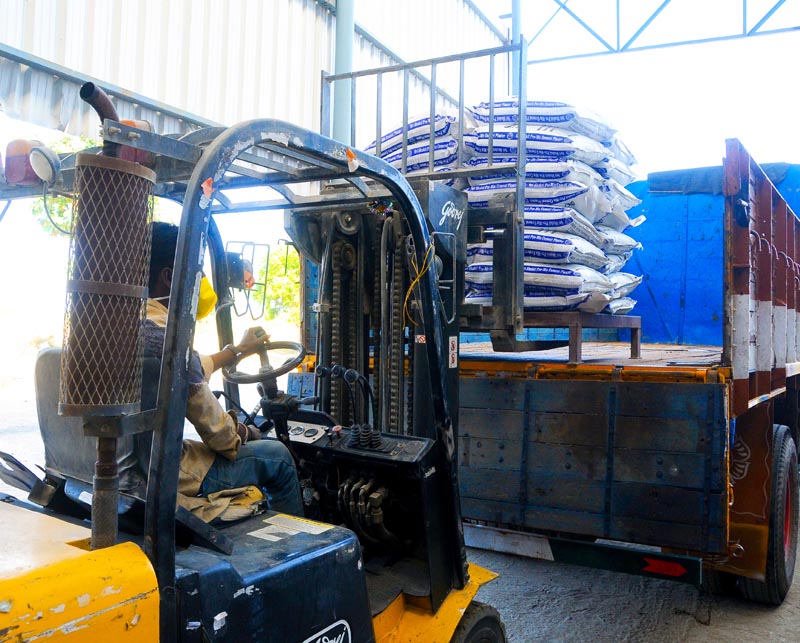
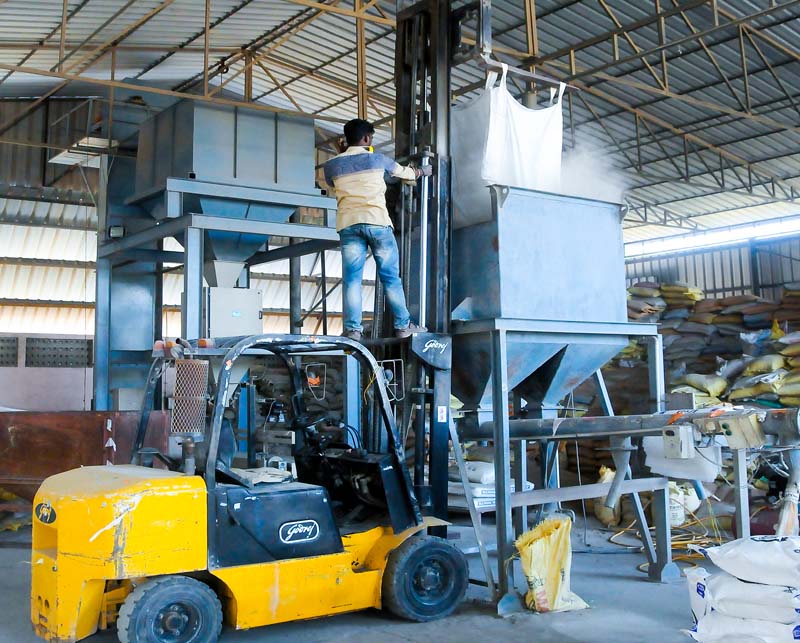
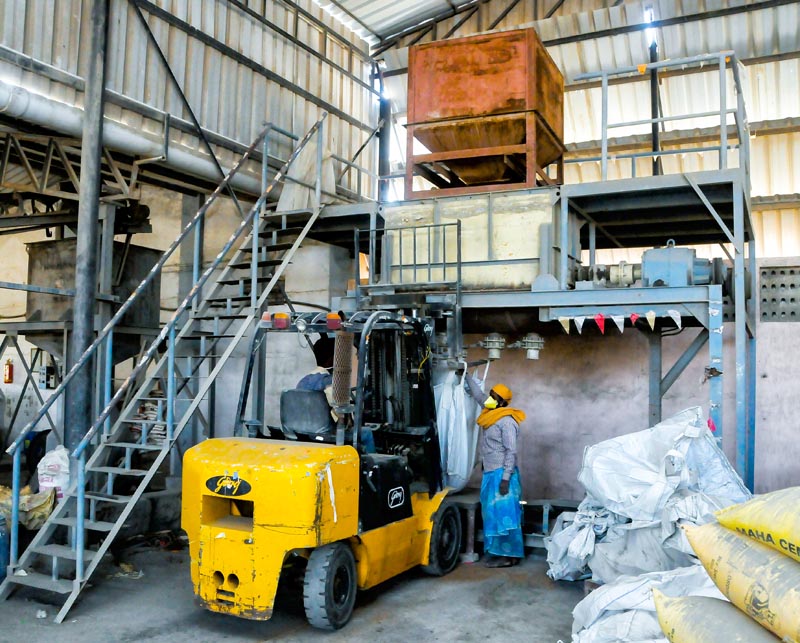
Ideal Drymixes has spent over a decade manufacturing ready mix plaster, tile adhesives, wall putty and block laying compounds from its facility in Karur, Tamil Nadu, built specifically around the problem of site-to-site consistency. For contractors bidding on multi-site smart city and AMRUT 2.0 packages, that consistency is not a marketing point — it’s what keeps a 60-unit housing block or a city-wide footpath retrofit from turning into a materials dispute six months after handover.
Our machine and manual application plasters are formulated to cure evenly regardless of who’s applying them on-site, and our wall putty and tile adhesive ranges are built to hold bond through the humidity swings and heavy use that public infrastructure projects are designed for.
The Real Question for 2026 Bidders
Smart city and AMRUT 2.0 tenders are not slowing down, and neither is the scrutiny on how they’re executed. As procurement moves further into execution-heavy categories — roads, housing, public infrastructure — the contractors who win repeat work will be the ones whose material choices hold up across every site, not just the show unit. That decision gets made long before the ribbon-cutting, at the plaster and putty stage.