
Cost Overruns in Construction Projects: The Hidden Savings of Using Dry Mix Solutions
Why Plastering Is a Quiet Budget Leak
Plastering doesn’t get the same scrutiny as steel or cement tonnage on a project’s cost sheet, but it adds up fast across a multi-storey build. Site-mixed plaster depends on a mason eyeballing cement-to-sand ratios, and that inconsistency shows up as over-ordering, uneven thickness, and rework. On a large site, even a small per-square-foot error multiplies across thousands of square feet of wall and ceiling area — and estimators rarely budget enough contingency to absorb it.
Labour costs compound the problem. New labour codes and a shrinking pool of skilled masons have already pushed workforce costs up meaningfully in the last year, and every hour spent re-mixing or reapplying botched plaster is an hour billed against a budget that had no room for it.
Where Dry Mix Solutions Cut the Waste
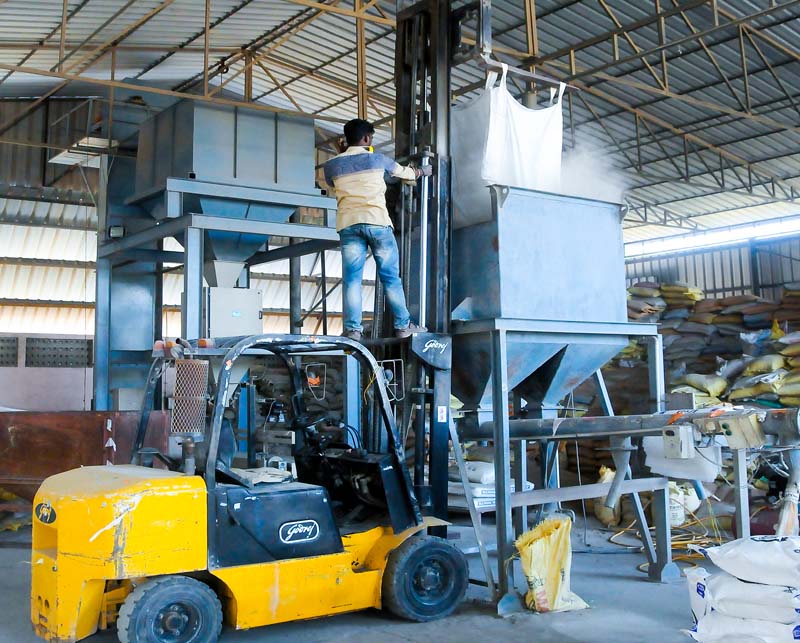
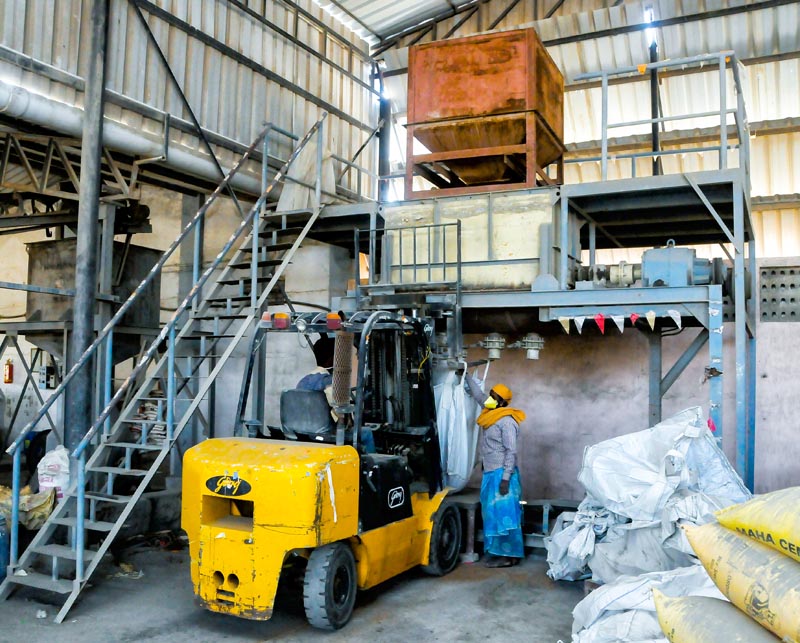
● Precise, factory-controlled ratios: no site-level guesswork on cement, sand, or additive proportions, so material ordered matches material used.
● Lower rework rates: consistent mix quality means fewer patch jobs and touch-ups after the plaster cures — each of which adds unbudgeted labour and material cost.
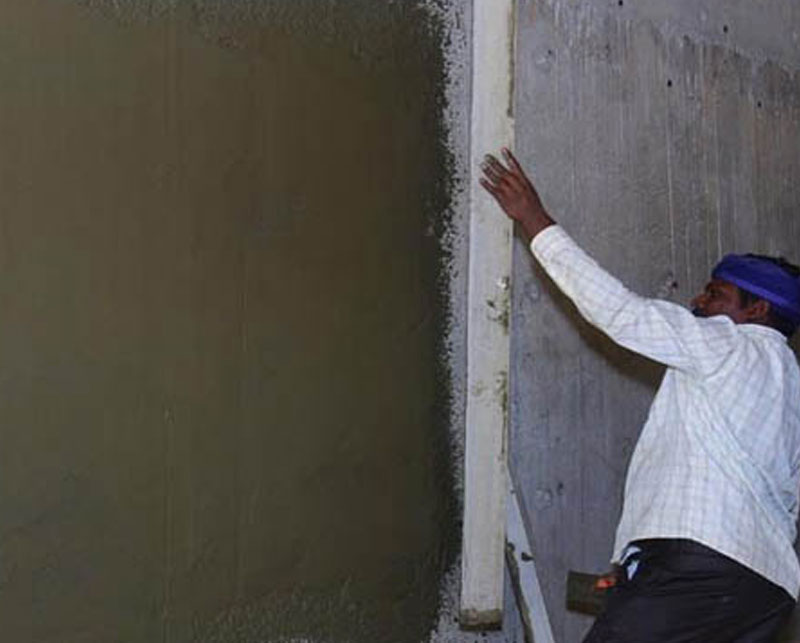
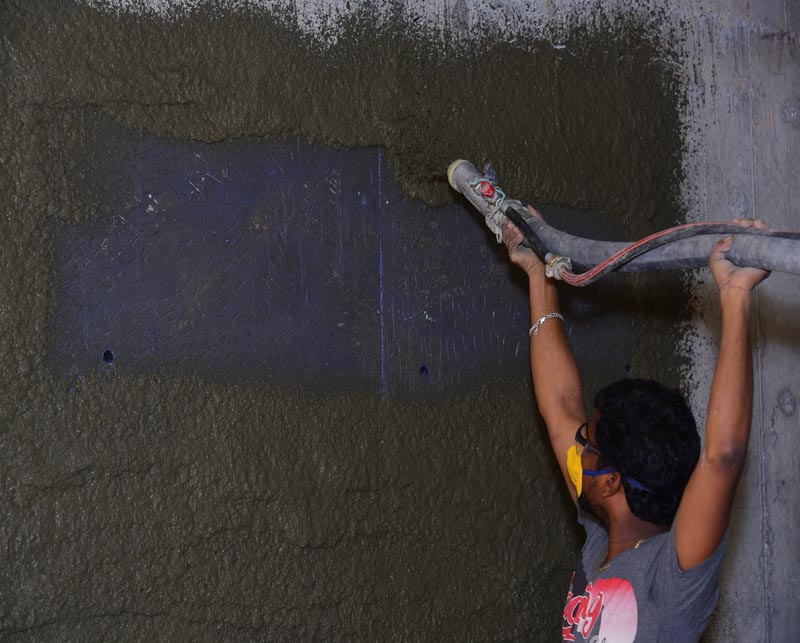
● Faster turnaround per floor: machine-compatible application shortens the time plastering crews occupy a floor, which shortens the overall project timeline and the overheads tied to it.
● Predictable procurement: bag-based ready-mix pricing is far easier to lock into a tender estimate than site-mixed material, where actual consumption often exceeds the plan.
● Fewer post-handover callbacks: shrinkage cracks and adhesion failures from inconsistent mixing generate warranty repairs long after the project books have closed — a cost that rarely gets tracked back to the original plastering decision.
The Real Math Behind the Savings
On paper, a bag of ready-mix plaster can look more expensive than the equivalent raw cement and sand bought separately. That comparison misses the columns that actually move a budget: wastage percentage, labour hours per square foot, and rework frequency. When those are added in, ready-mix plaster is usually the cheaper option over the life of the project, not just the finishing stage.
Cost Driver | Site-Mixed Plaster | Ready-Mix Dry Mix |
Material wastage | Higher, driven by manual measuring | Lower, factory-controlled ratios |
Labour hours | More, manual mixing and reapplication | Fewer, faster machine-compatible application |
Rework frequency | Higher due to inconsistent mixing | Lower, consistent quality across floors |
Post-handover repairs | More frequent shrinkage cracks | Fewer warranty-related callbacks |
Budget predictability | Harder to lock at tender stage | Easier, bag-based pricing |
Where This Matters Most
The larger the project, the bigger the swing. A developer running a project in the hundreds of crores can see a small percentage cost increase translate into tens of crores of unplanned spend — and plastering wastage is one of the few line items where the fix is entirely within a contractor’s control, unlike steel or aluminium price volatility driven by global markets. For affordable housing and mass residential projects specifically, where margins are already thin and timelines are fixed by scheme deadlines, controlling this one variable can be the difference between a project that closes on budget and one that doesn’t.
What Ideal Drymixes Brings to This
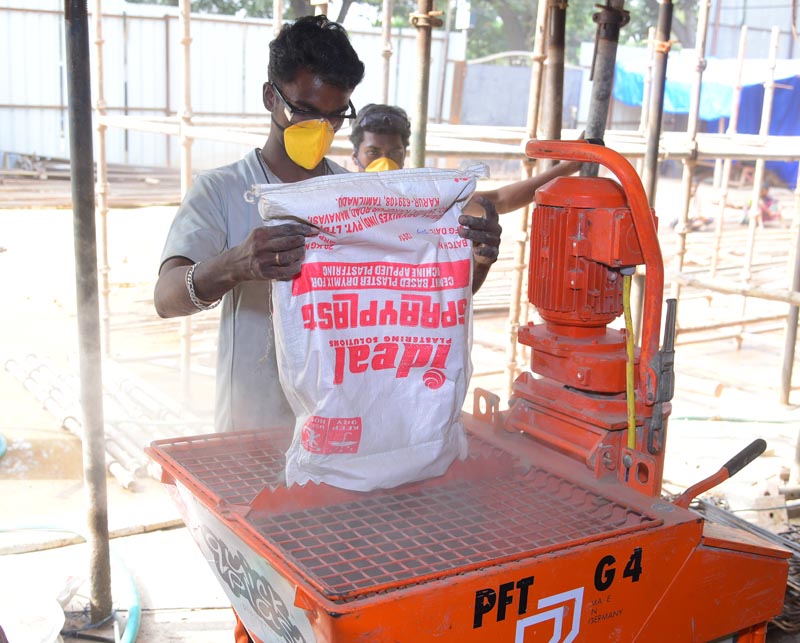
Ideal Drymixes has manufactured ready-mix plaster and dry mix products from its Karur, Tamil Nadu facility since 2009, with products formulated for both wall and RCC ceiling applications. Alongside the material, the company offers machine plastering as a combined service — material, machine, and trained operator together — which addresses both sides of the cost-overrun problem: consistent material use and faster site turnaround. For contractors trying to hold a tender estimate together across a multi-block project, that combination reduces two of the biggest unknowns on the finishing schedule.
Frequently Asked Questions
Does switching to dry mix plaster guarantee lower project costs?
It doesn’t eliminate every cost risk, but it removes one of the most common and controllable sources of wastage and rework, which is where a large share of plastering-related overruns come from.
Is the cost difference noticeable on smaller projects?
It’s more visible on larger projects simply because of scale, but even a single building sees less material wastage and fewer callback repairs with ready-mix plaster.
How does dry mix plaster affect project timelines?
Faster, more consistent application — especially when paired with machine plastering — shortens the time crews spend on each floor, which helps keep the overall project on schedule.
Final Word
Cost overruns rarely come from one dramatic failure. They come from small, repeated inefficiencies that no one line-items until the budget review. Plastering wastage is one of the easiest of these to fix, and dry mix solutions are the most direct way to fix it — without asking a contractor to compromise on finish quality to hit a number. If material cost control is part of your next project’s plan, it’s worth building ready-mix plaster into the estimate from day one, not after the first overrun shows up.
To discuss dry mix solutions and machine plastering for your next project, get in touch with Ideal Drymixes through their contact page.