Cost-Effective Construction
The Rise of Affordable Housing in India — Why Dry Mix Products Are the Secret to Faster, Cost-Effective Construction
Affordable housing has quietly become the biggest construction story in India. Between Pradhan Mantri Awas Yojana sanctions running into crores of units and every tier-2 city adding new residential blocks, the demand for fast, low-cost, good-quality construction has never been higher. The bottleneck isn’t cement or steel anymore — it’s skilled labour, and it’s timelines. That’s exactly where dry mix products are changing how builders work.
Why Affordable Housing Is Booming Right Now
Government schemes have pushed lakhs of housing units into active construction across urban and semi-urban India. Developers working on these projects operate on thin margins and tight handover dates, which means every stage of construction has to be faster and more predictable than it used to be. Plastering, in particular, has traditionally been one of the slowest and most inconsistent stages — dependent almost entirely on how skilled the mason on site happens to be that day.
This is the gap , factory-blended dry mix products were built to close.
What Exactly Is a Dry Mix Product?
A dry mix, is a pre-blended combination of cement or gypsum, graded sand, and performance additives, packed and sealed at the factory. On site, the only job left for the mason is adding water in the specified ratio. There’s no manual measuring of cement-to-sand proportions, no guessing based on experience, and far less room for the kind of error that shows up as cracks and uneven walls six months later.
For large-scale affordable housing projects, where hundreds of flats need to look and perform identically, this consistency matters more than almost anything else on the finishing schedule.
Why Dry Mix Is a Better Fit for Affordable Housing Than Site-Mixed Plaster
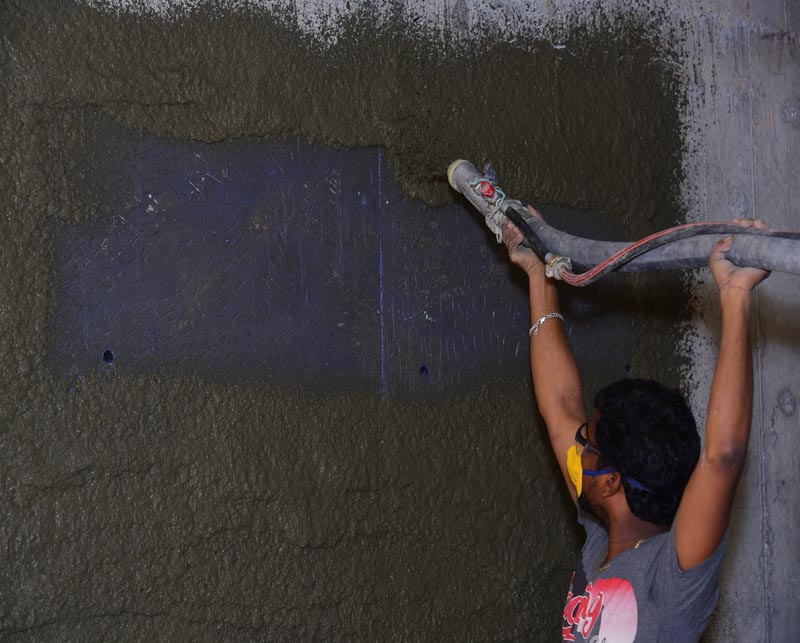
● Speed of application: pre-blended material and machine plastering compatibility can cut plastering time significantly compared to manual mixing and application.
● Lower material wastage: factory-controlled proportions mean contractors order closer to the exact quantity needed, instead of overordering to cover mixing errors.
● Fewer callbacks after handover: consistent binder-to-aggregate ratio reduces the shrinkage cracks that generate warranty complaints on mass housing projects.
● Less dependency on skilled masons: with labour increasingly hard to source and retain, a product that performs the same way regardless of who applies it removes a major project risk.
● Predictable costs: bag-based pricing makes it far easier to estimate plastering costs accurately at the tender stage, compared to site-mixed material where wastage varies job to job.
The Real Cost Comparison
On paper, dry mix plaster can look marginally more expensive per bag than buying raw cement and sand separately. In practice, once you factor in labour hours, material wastage, and rework, the total cost of ownership usually favours . Site-mixed plaster depends on manual measuring, which typically leads to over-ordering and inconsistent thickness — both of which quietly inflate the real cost per square foot.
|
Factor |
Site-Mixed Plaster |
Dry Mix |
|
Labour time |
Higher, manual mixing |
Lower, machine-compatible |
|
Material wastage |
Higher due to over-ordering |
Lower, precise bag quantities |
|
Quality consistency |
Varies by mason |
Uniform across the project |
|
Post-handover repairs |
More frequent |
Fewer shrinkage-crack complaints |
|
Cost predictability |
Harder to estimate accurately |
Easier, bag-based pricing |
Where Ideal Drymixes Fits Into This Shift
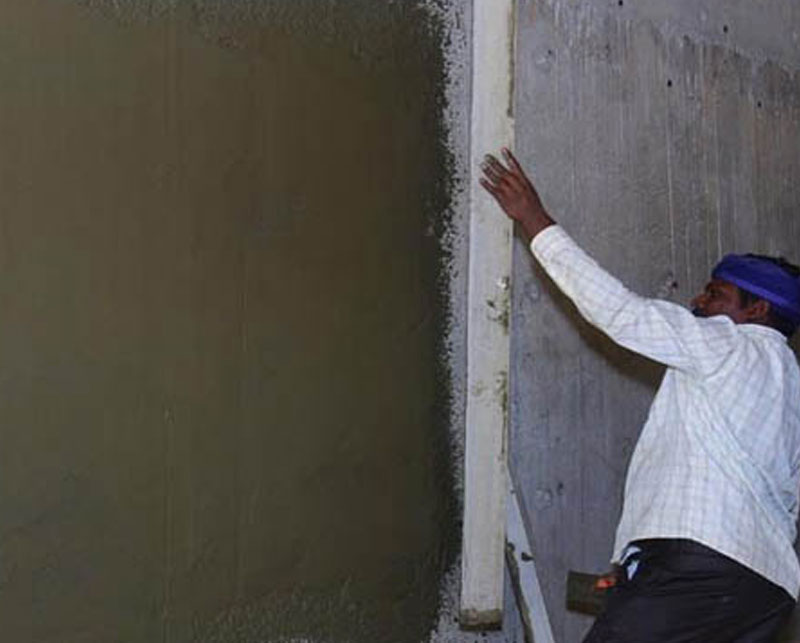
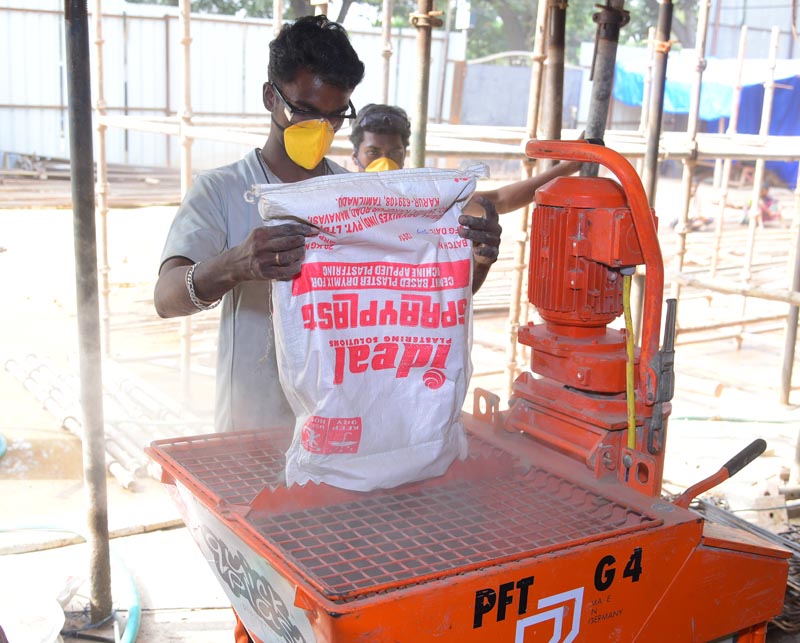
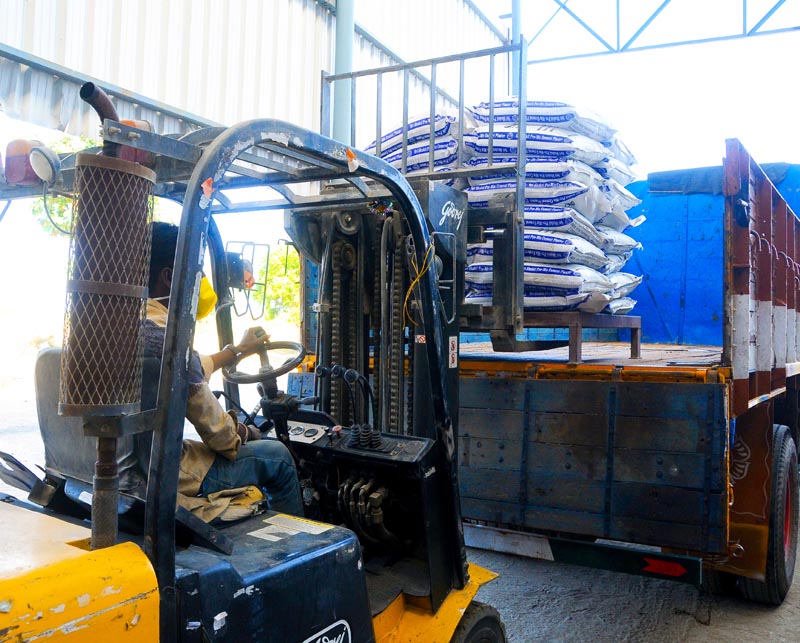
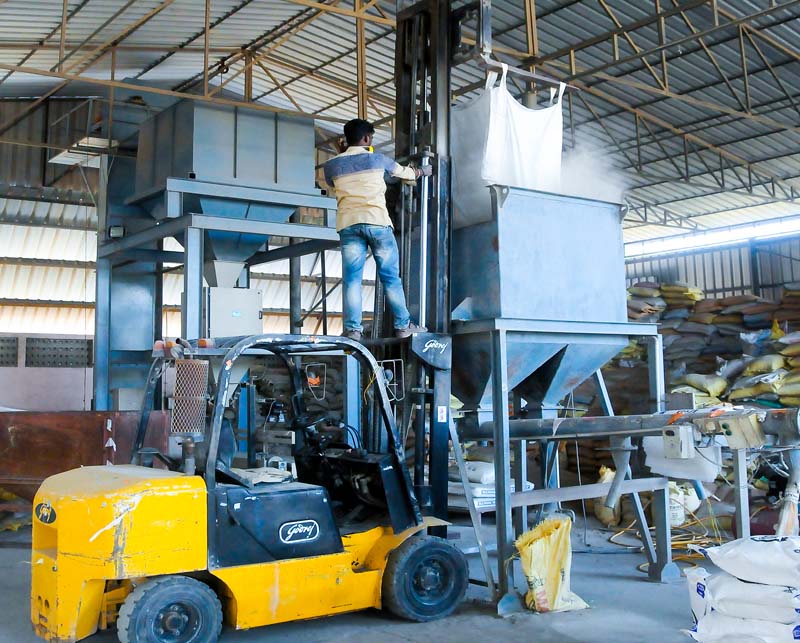
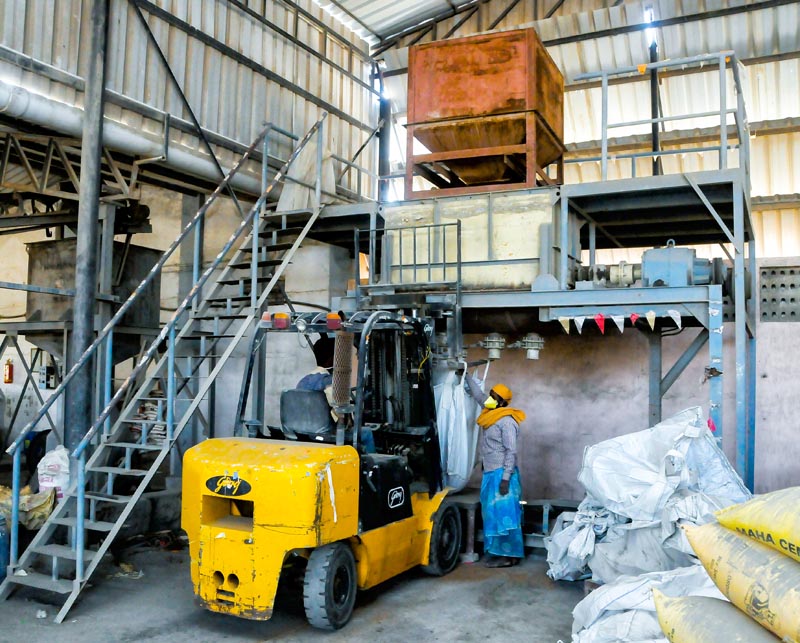
Ideal Drymixes has been manufacturing plaster and drymix solutions out of Karur, Tamil Nadu since 2009, built specifically around the needs of large-volume construction — including machine plastering, where the company supplies material, machine, and trained operator together as one service. For developers running affordable housing projects with tight delivery schedules, that combination of consistent material and faster application directly addresses the two biggest risks on a finishing timeline: cost overruns and delay.
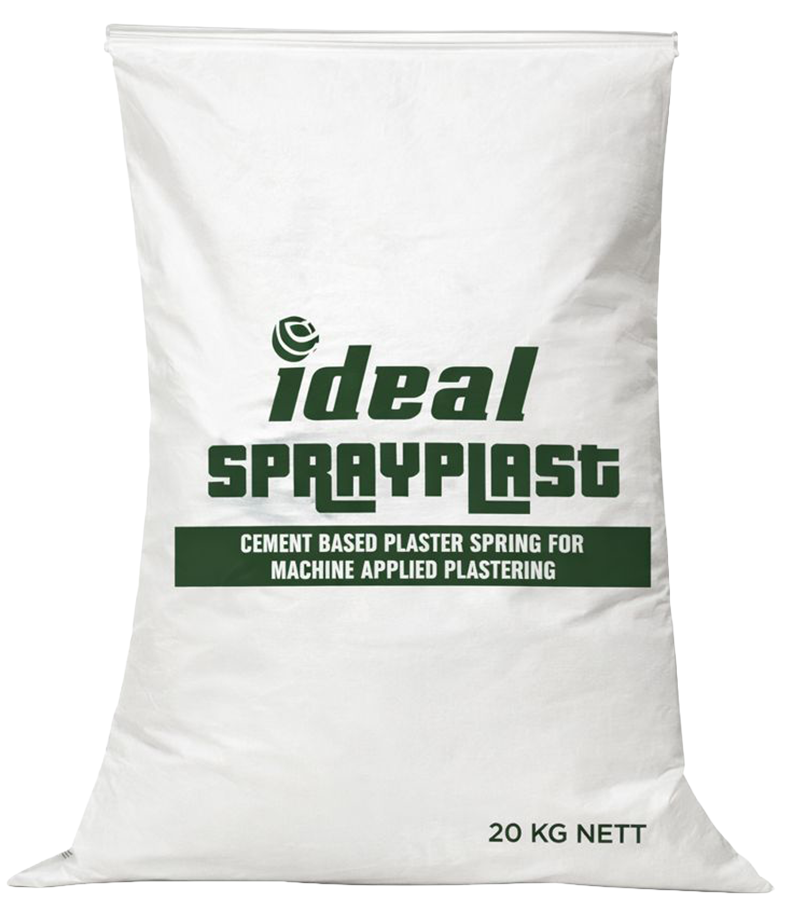
Products like SprayPlast and CeilingPlast are built around exactly this use case — walls and RCC ceilings that need a uniform, crack-resistant finish across hundreds of units, without depending on a shortage of skilled masons to get there.
What Builders Should Look For Before Switching
● IS-standard compliance for the cement or gypsum used in the mix.
● Documented coverage per bag, so cost estimation at tender stage is accurate.
● Availability of machine plastering support for large sites.
● A manufacturer with a track record on similar-scale residential projects, not just showroom samples.
Frequently Asked Questions
Is dry mix plaster more expensive than traditional cement plaster?
Per bag, it can cost slightly more, but lower wastage, faster labour, and fewer post-handover repairs usually make the total project cost lower.
Can dry mix plaster be used for both walls and ceilings?
Yes. Different formulations are designed for wall plastering versus RCC ceiling surfaces, so it’s worth confirming which product is meant for which application.
Does dry mix plaster work with machine plastering?
Most products, including those from Ideal Drymixes, are formulated to work with plastering machines, which is a major part of how they cut application time on large sites.
Final Word
Affordable housing in India is only going to keep scaling, and the projects that stay on budget and on schedule will be the ones that stop treating plastering as a variable and start treating it as a controlled input. Dry mix products are how builders are making that shift. If you’re planning a large residential project, it’s worth speaking to a manufacturer who’s already built for this scale.
To discuss dry mix solutions for your next affordable housing project, get in touch with Ideal Drymixes through their contact page.