Machine Plastering vs Manual Plastering: Cost, Speed & Quality Comparison
Introduction: Why Builders Are Rethinking Plastering Methods in India
The debate around machine plastering vs manual plastering has become increasingly relevant in India’s construction industry. Rising labor shortages, tighter project timelines, and higher quality expectations have exposed the limitations of traditional plastering methods. For builders, contractors, and developers, plastering is no longer a minor finishing activity—it directly impacts project cost, speed, surface quality, and execution risk.
Manual plastering, which depends on on-site mixing and skilled labor, often struggles to deliver consistency at scale. In contrast, machine plastering uses ready-mix plaster and spray application, offering faster execution and predictable outcomes. This article provides a practical, India-specific comparison of machine plastering vs manual plastering, covering cost per sq ft, speed, quality, labor dependency, and suitability for high-rise and large-scale projects.
What Is Manual Plastering & How Does It Work?
Characteristics & Labor Dependencies
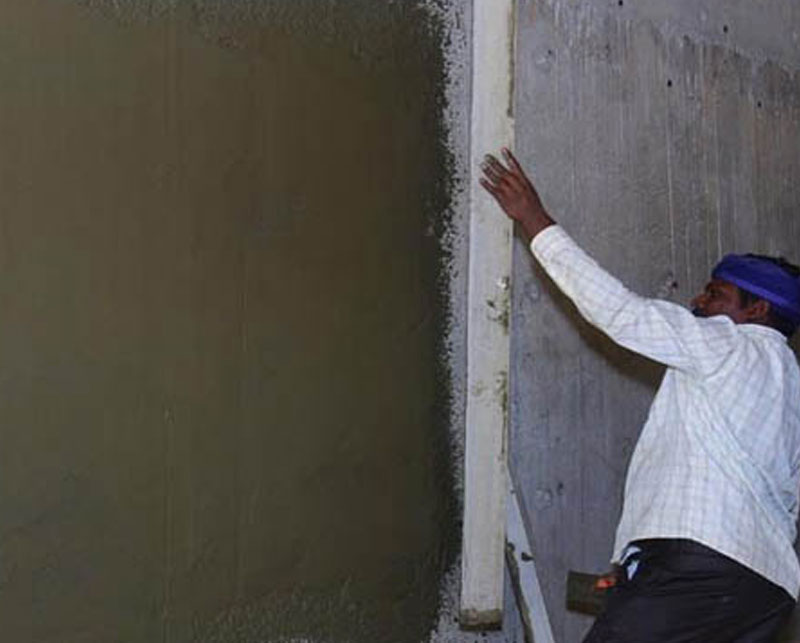
Manual plastering involves mixing cement and sand on-site and applying it by hand. Output quality depends heavily on mason skill, supervision, and site conditions.
Key characteristics:
High dependency on skilled labor
Inconsistent mix ratios
Slower execution on large projects
Higher supervision and rework risk
Quality Risks & Inconsistency Issues
Manual plastering often results in uneven thickness, surface undulations, and cracks, leading to additional putty work and long-term maintenance issues.
What Is Machine Plastering & Key Advantages?
Factory-Mixed Consistency Standards
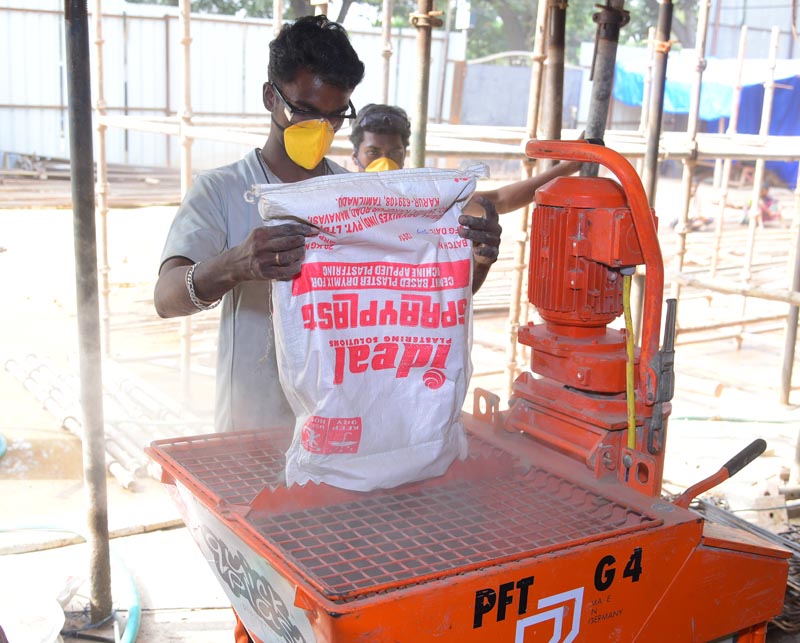
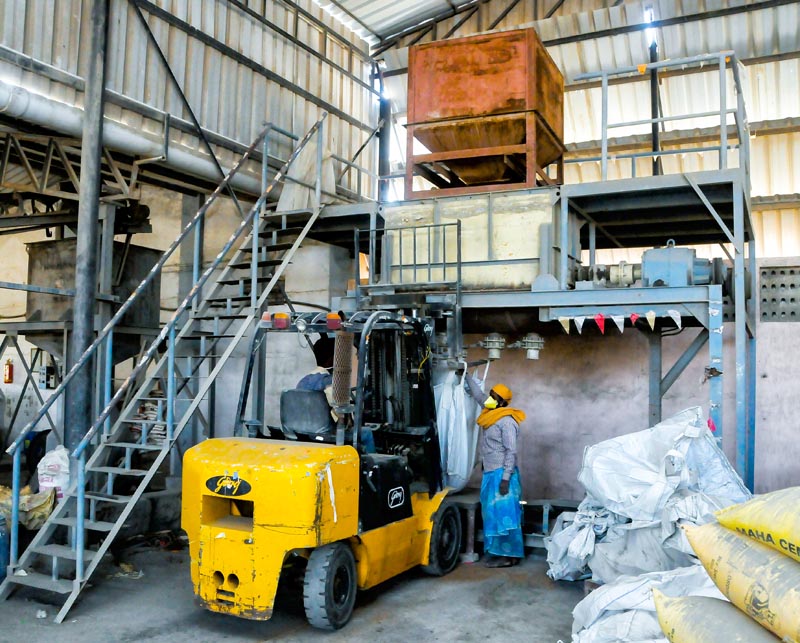
Machine plastering uses ready-mix plaster or dry mix mortar, manufactured under controlled factory conditions. This ensures consistent formulation across batches and sites.
Spray Application & Speed Benefits
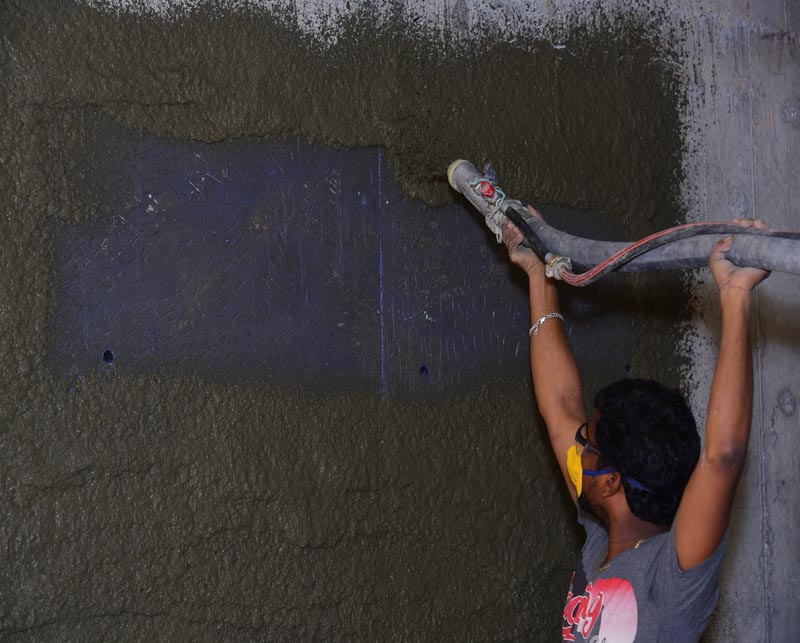
The plaster is applied using spray machines, allowing uniform thickness and significantly higher productivity compared to hand application.
Which Method Is Cheaper? Complete Cost Analysis
Manual Plastering Cost Breakdown
Manual plastering appears cheaper initially, but includes hidden costs:
Higher labor per sq ft
Material wastage from on-site mixing
Rework due to surface defects
Extended timelines increase overheads.
Machine Plastering Cost Structure
Machine plastering involves:
Slightly higher material cost
Lower labor requirement
Minimal wastage
Faster completion
Total Cost of Ownership (TCO) Analysis
In India, machine plastering cost per sq ft is often 30–50% lower overall when labor savings, reduced rework, and faster execution are factored in. Market studies indicate growing adoption due to these lifecycle cost advantages.
Speed & Productivity: How Much Faster Is Machine Plastering?
Manual Plastering Productivity
Approx. 70–100 sq ft per mason per day
Output varies with labor skill and fatigue.
Machine Plastering Productivity
Approx. 175-200 sq ft per day per machine
Consistent output across floors
Is machine plastering faster than manual plastering?
Yes. Machine plastering delivers 10–15× higher daily productivity, making it ideal for fast-track and high-rise projects.
Quality & Finish: Which Method Performs Better?
Manual Plastering Finish Challenges
Uneven thickness
Higher crack probability
Increased dependency on wall putty
Machine Plastering Quality Advantages
Uniform thickness
Better adhesion
No cracks
Superior base for painting
Which plastering method provides better quality finishes?
Machine plastering offers superior and consistent quality, especially for premium residential and commercial buildings.
Labor Dependency & Execution Risk in Indian Construction
Manual Plastering Risks
- Skilled labor shortages
- Inconsistent workmanship
- Project delays
Machine Plastering Advantages
- Fewer workers required
- Lower skill dependency
- Predictable productivity
Does machine plastering reduce labor dependency?
Yes. Machine plastering significantly reduces reliance on skilled labor—an important advantage in India’s current labor market.
Manual vs Machine Plastering: Comparison Table
Parameter | Manual Plastering | Machine Plastering |
Application | Hand-applied | Spray-applied |
Material Consistency | Variable | Factory-controlled |
Speed | Slow | Very fast |
Labor Requirement | High | Low |
Finish Quality | Skill-dependent | Uniform |
Rework Risk | High | Minimal |
5 Advantages of Machine Plastering for Indian Builders
- Covers 10–15× more wall area per day
- Reduces dependency on skilled labor
- Ensures uniform finish across units
- Minimizes rework and defects
Shortens project timelines by 40–50%
Case Study: 50,000 sq ft Commercial Project
A commercial office project in South India switched from manual to machine plastering.
Results:
- Timeline reduced by 42%
- Labor cost reduced by 35%
- Rework eliminated
- ROI achieved within 2 months
Conclusion: Which Plastering Method Should You Choose?
The choice between machine plastering vs manual plastering is no longer about tradition—it is about cost efficiency, speed, quality, and execution certainty. For large-scale, time-sensitive projects in India, machine plastering using ready-mix plaster delivers clear, measurable advantages.
Ready to Implement Machine Plastering?
Speak with a plastering specialist to evaluate cost and timeline benefits for your project.