
From Tradition to Risk: Why Site-Mixed Plaster No Longer Fits Modern Construction Strong narrative framing
Indian construction has evolved rapidly over the last decade. Structural systems have transitioned from manual concreting to Ready Mix Concrete (RMC) as a standard practice, driven by the need for consistency, speed, and quality assurance.
Yet, one critical finishing activity—plastering—continues to rely heavily on traditional on-site mixing methods.
This inconsistency creates a hidden quality gap. While the structural frame is engineered to tight tolerances, the plaster layer—responsible for surface integrity, durability, and final aesthetics—is often produced under uncontrolled site conditions. The result is a high incidence of post-handover defects such as cracking, debonding, hollow patches, and excessive material wastage.
This article examines the most common technical failure mechanisms associated with site-mixed plaster and explains why factory-engineered plaster systems are increasingly being specified on high-rise, fast-track, and premium developments.
1. Silt Contamination in Sand: The Root Cause of Adhesion Failure
The performance of cement mortar is directly dependent on aggregate quality. In site-mixed plaster, river sand is typically sourced from local suppliers, where quality control is inconsistent, and verification is minimal.
As per IS 1542, sand used for plastering should have a maximum silt content of 8%. In practice, bulk site deliveries frequently exceed this limit, with silt levels often reaching 12–15%, particularly during monsoon seasons or in regions facing sand scarcity.
Silt and clay particles form a thin coating around sand grains, preventing effective bonding between the cement paste and the aggregate. This weak interface compromises adhesion to the substrate and leads to long-term failures such as:
- Hollow or drummy plaster
- Progressive delamination
- Eventual surface collapse under minor impact or vibration
These defects rarely appear immediately, making them expensive and disruptive to rectify post-handover.
How Engineered Plaster Addresses This
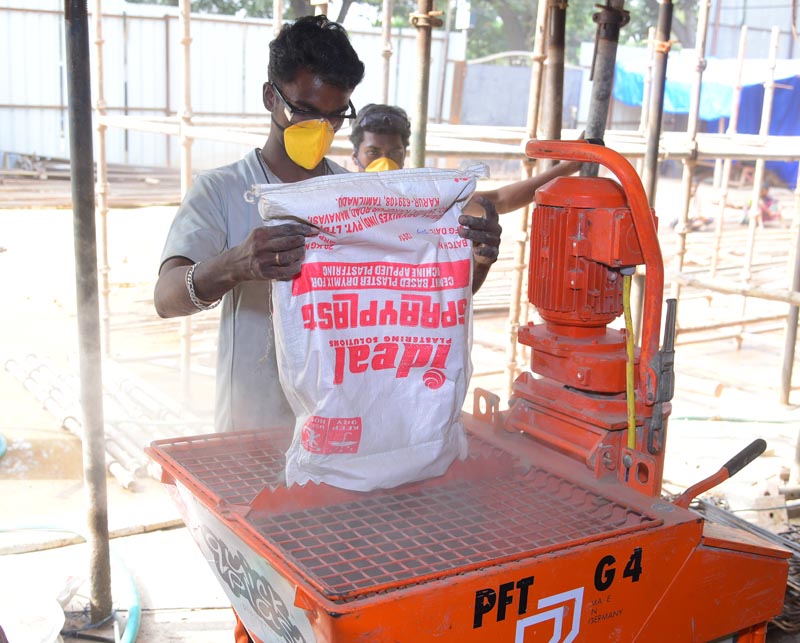
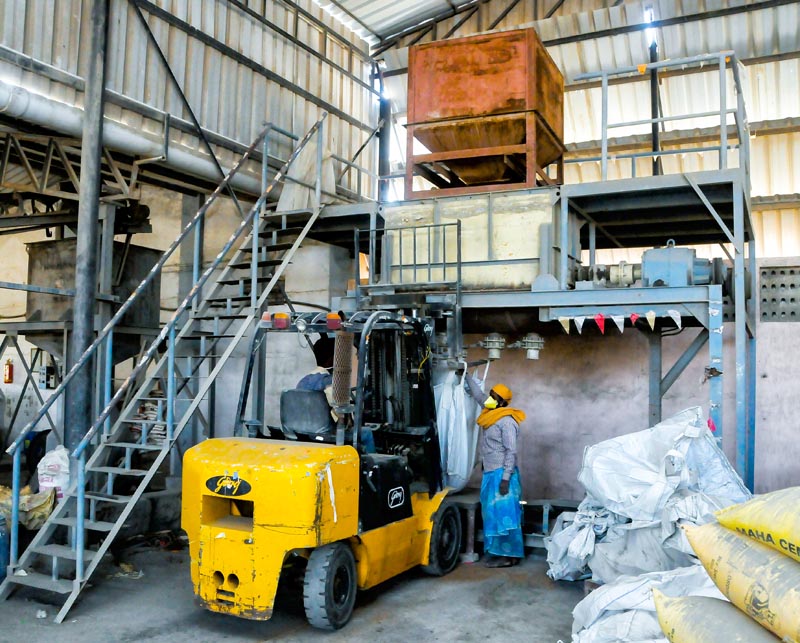
Factory-manufactured plaster uses washed, dried, and mechanically graded sand, eliminating silt contamination. Controlled grading also improves particle packing, resulting in stronger bond development and more durable plaster layers.
2. AAC Block Compatibility: Understanding Plastic Shrinkage Cracking
The widespread adoption of Autoclaved Aerated Concrete (AAC) blocks has introduced new plastering challenges that traditional cement-sand mortars were never designed to handle.
AAC blocks are lightweight and highly porous, exhibiting significantly higher water absorption compared to conventional red bricks. When site-mixed plaster is applied:
- The substrate rapidly draws water from the mortar
- Cement hydration is interrupted
- Early-age shrinkage occurs before strength development
This leads to plastic shrinkage cracks, typically visible within days of application. Pre-wetting AAC blocks is often suggested as a solution, but in practice, achieving uniform and adequate saturation across large wall areas is unreliable.
How Engineered Plaster Addresses This
Polymer-modified ready-mix plasters incorporate water-retention agents that slow moisture loss from the mortar. These additives counteract substrate suction, allowing full cement hydration even on high-absorption surfaces like AAC blocks—significantly reducing crack formation without excessive site-dependent measures.
3. Volumetric Batching Errors: Inconsistent Strength Across the Same Wall
Manual site mixing relies on volumetric batching, typically using head pans, shovels, or improvised containers. While nominal ratios such as 1:4 or 1:5 may be specified, actual proportions vary widely due to:
- Labour fatigue
- Measurement inconsistency
- Time pressure on fast-track projects
A small deviation in cement content can dramatically affect compressive strength, shrinkage behavior, and durability. Over an entire façade, this results in a patchwork of variable plaster quality—some areas performing adequately, others eroding or cracking prematurely.
How Engineered Plaster Addresses This
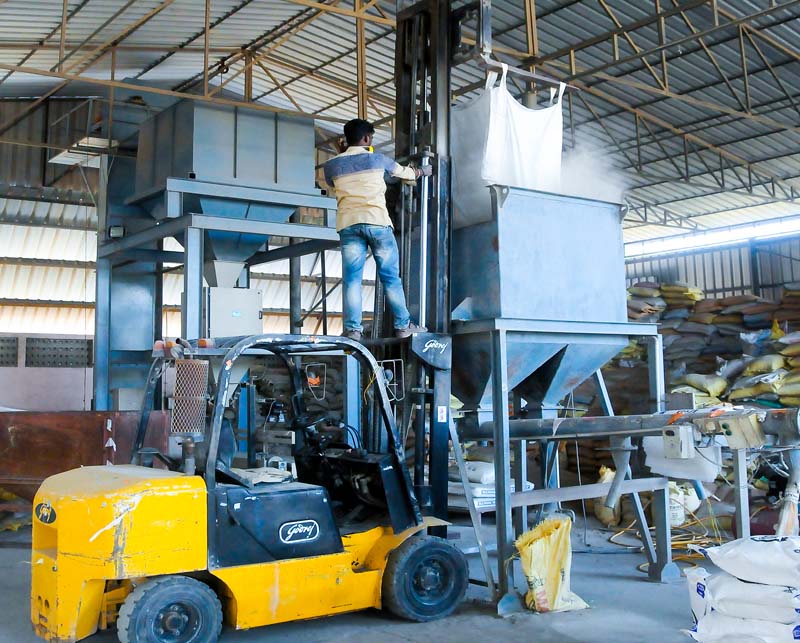
Factory production eliminates human error. Each batch is weighed, not measured by volume, under computerized controls. This ensures uniform chemical composition and mechanical properties across every bag, delivering predictable performance throughout the project.
4. Rebound Loss and Material Wastage: The Invisible Cost Escalator
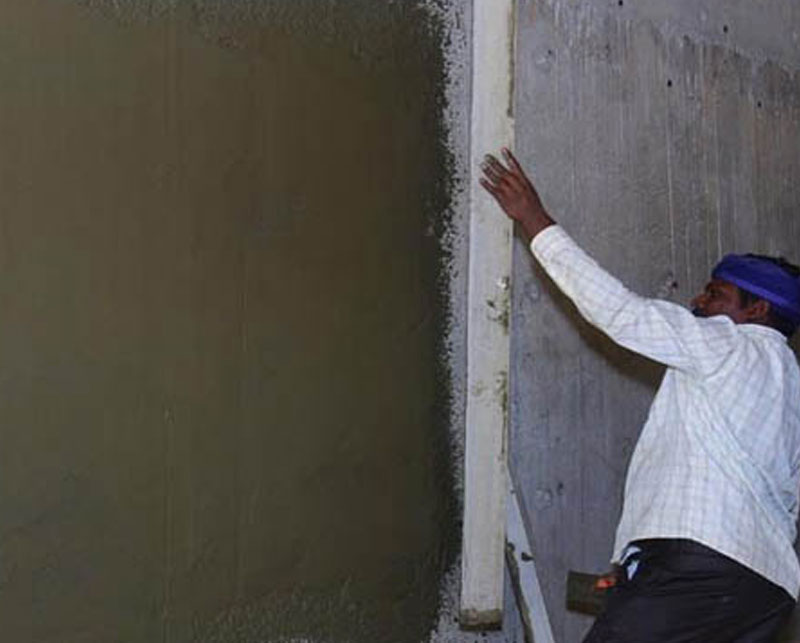
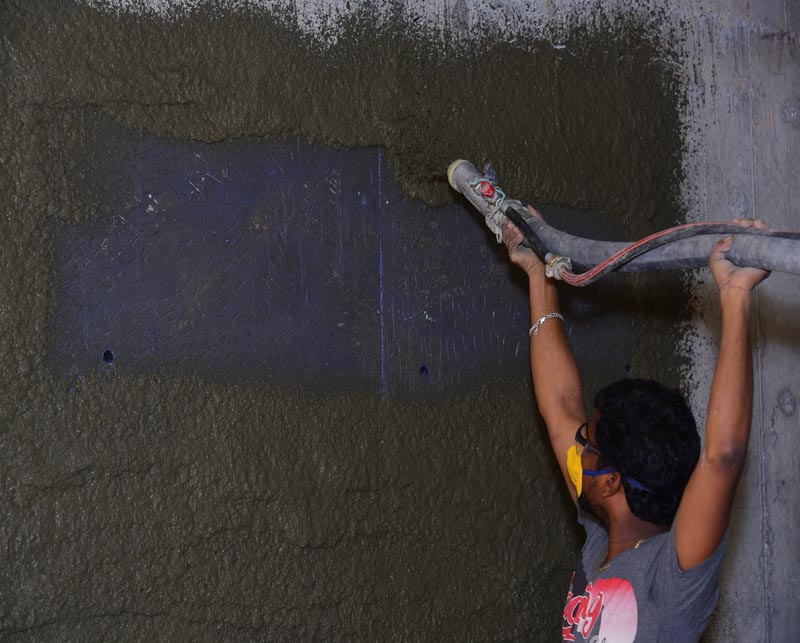
Traditional site-mixed mortar often lacks cohesion and workability. During application, a significant portion fails to adhere on impact and falls to the ground. Industry observations place this rebound loss between 15% and 20%.
Beyond material cost, rebound loss increases:
- Site cleaning labour
- Debris handling
- Work delays
- Inconsistent surface finish due to retempering attempts
These losses are rarely accounted for during initial cost comparisons, leading to misleading assumptions about the “economy” of site mixing.
How Engineered Plaster Addresses This
Engineered plasters are formulated for controlled rheology and surface adhesion. Improved tackiness ensures better on-wall retention, reducing rebound loss to negligible levels and improving both material efficiency and site housekeeping.
Conclusion: From Tradition to Technical Accountability
Plastering is no longer a low-risk finishing activity—it is a performance-critical interface between structure, services, and final finishes. The defects associated with site-mixed plaster are not anomalies; they are the predictable outcome of uncontrolled materials and processes.
As project timelines compress and construction systems become more advanced, process standardization is no longer optional. Factory-engineered plaster systems align plastering with the same quality discipline already applied to concrete, masonry, and waterproofing.
For developers, consultants, and project managers, the real decision is not between “traditional” and “modern” plaster—but between short-term cost perception and long-term performance certainty.
Frequently Asked Questions
Why does plaster debond after a few years?
High silt content in sand and poor adhesion between plaster and substrate are the most common causes of long-term debonding.
Is site-mixed plaster suitable for AAC blocks?
Traditional cement-sand mortar is poorly suited for AAC blocks due to high water absorption, often resulting in shrinkage cracks.
Is ready-mix plaster more expensive than site mix?
While the bag cost may be higher, reduced wastage, rework, and defect rectification often make engineered plaster more economical over the project lifecycle.
What standards govern plaster sand quality in India?
IS 1542 specifies limits on silt content and grading requirements for plastering sand.